Description
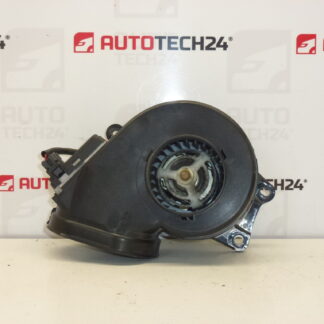
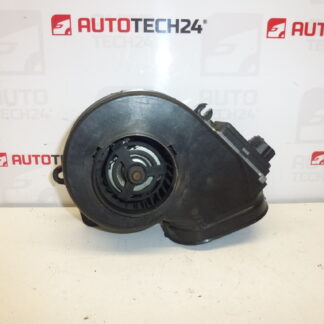
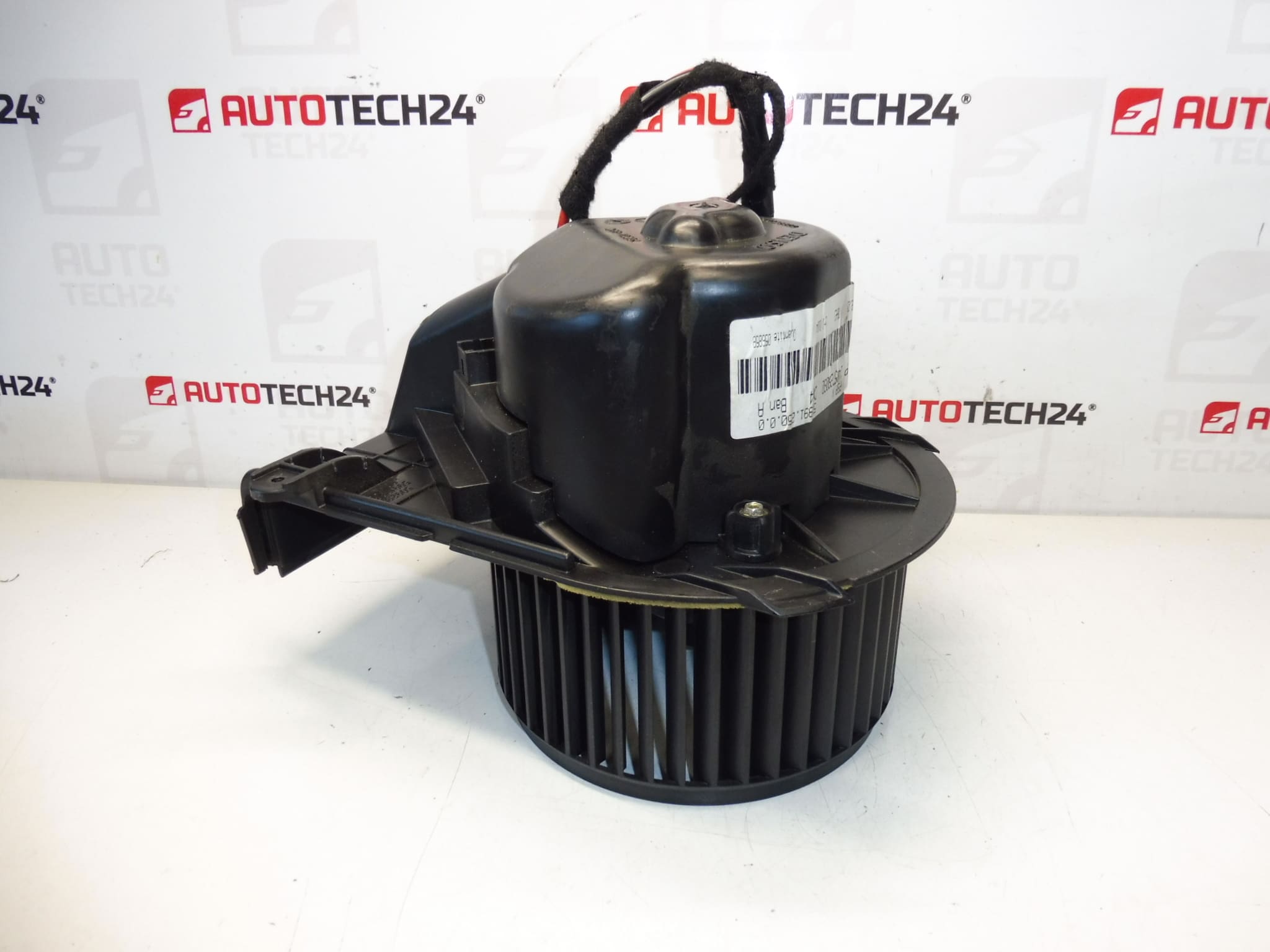
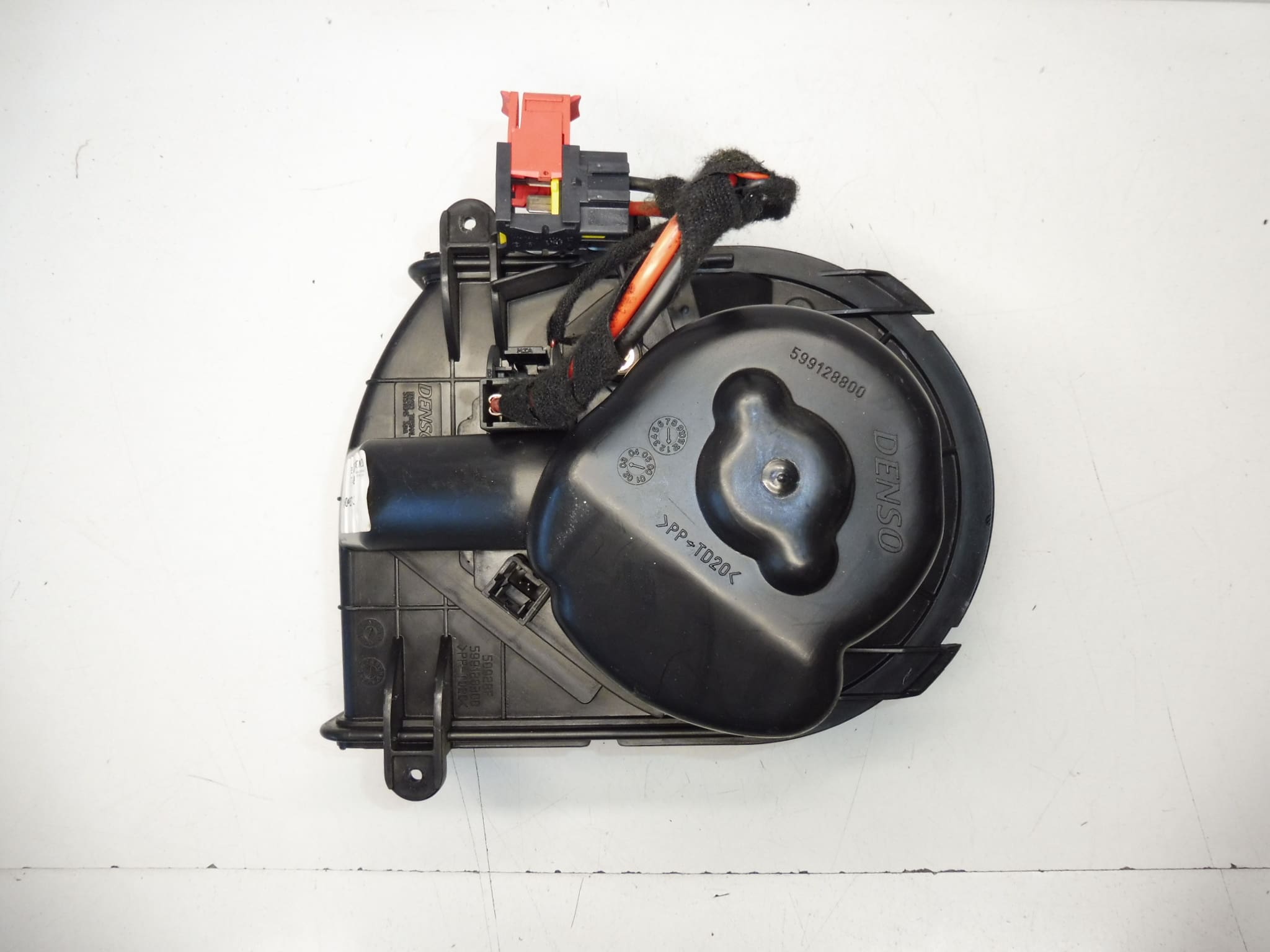
Blower motor for vehicles with automatic air conditioning of Citroën C8 and Peugeot 807 models
Description
This blower motor is designed for Citroën C8 and Peugeot 807 vehicles equipped with automatic climate control. It delivers reliable airflow for heating, ventilation and air conditioning (HVAC) systems, ensuring steady cabin comfort and rapid temperature regulation. Commonly sought by mechanics and DIY enthusiasts under OE codes such as 1485728080 and 6441T9, this part is suitable for direct replacement in compatible HVAC housings.
Key Benefits
- Direct fit for models listed below — reduces installation time.
- Restores proper airflow and climate control response.
- Compatible with automatic climate systems where integrated blower control is used.
- Improves passenger comfort and defogging performance.
Compatibility
Citroën C8 (models with automatic air conditioning)
Peugeot 807 (models with automatic air conditioning)
Installation And Replacement
The blower motor is mounted in the HVAC housing, typically accessible from the passenger side (footwell or behind the glovebox) depending on vehicle trim. Replacement overview for experienced technicians or competent DIYers:
- Disconnect the vehicle battery before starting work to avoid short circuits.
- Remove necessary trim panels or glovebox to reach the blower housing.
- Unplug the electrical connector and detach any retaining screws or clips securing the motor to the housing.
- Extract the old motor from the housing and compare mounting points and connector type with the new unit.
- Install the replacement motor, secure all fasteners, reconnect the electrical plug and reassemble trim.
- Reconnect the battery and test all fan speeds and automatic climate functions for correct operation.
Why This Part Fails
- Worn Bearings: Over time bearings wear, causing increased noise, vibration and eventual seizure.
- Debris Ingress: Leaves, dust and foreign objects can jam the fan wheel and damage the motor.
- Moisture Corrosion: Water ingress or high humidity can corrode windings or connectors.
- Electrical Faults: Power supply issues, failing connectors or regulator/resistor problems can reduce speed or stop operation.
- Overheating: Restricted airflow or blocked ducts increases load and shortens motor life.
Installation Recommendations
- Always disconnect the battery before removal and follow manufacturer procedures to prevent damage to electrical components.
- Inspect and, if necessary, replace the cabin air filter when changing the blower motor — a clogged filter increases load on the motor.
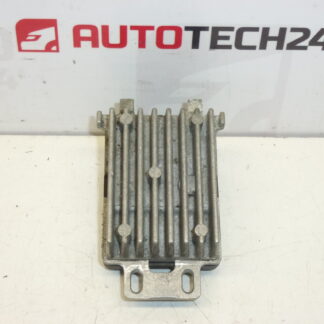
- Check the blower resistor/ventilation control module and fuses for faults when diagnosing intermittent speeds.
- Ensure the fan wheel spins freely before final reassembly and that no debris remains in the housing.
- Use correct torque on fasteners and secure connectors to avoid rattles and poor electrical contact.
Technical Information
- Manufacturer: Stellantis (Citroën / Peugeot)
- Model: Citroën C8; Peugeot 807
- Product Codes: 1485728080, 6441T9
- Other Numbers: 1485728080, 6441T9
Final Notes
This blower motor is an important component for cabin comfort and safety (defogging). If you experience unusual noise, reduced airflow, or complete failure of ventilation at multiple fan speeds, replacement of the blower motor is often the correct remedy. Order now to restore HVAC performance and ensure reliable climate control for Citroën C8 and Peugeot 807 vehicles.