Description
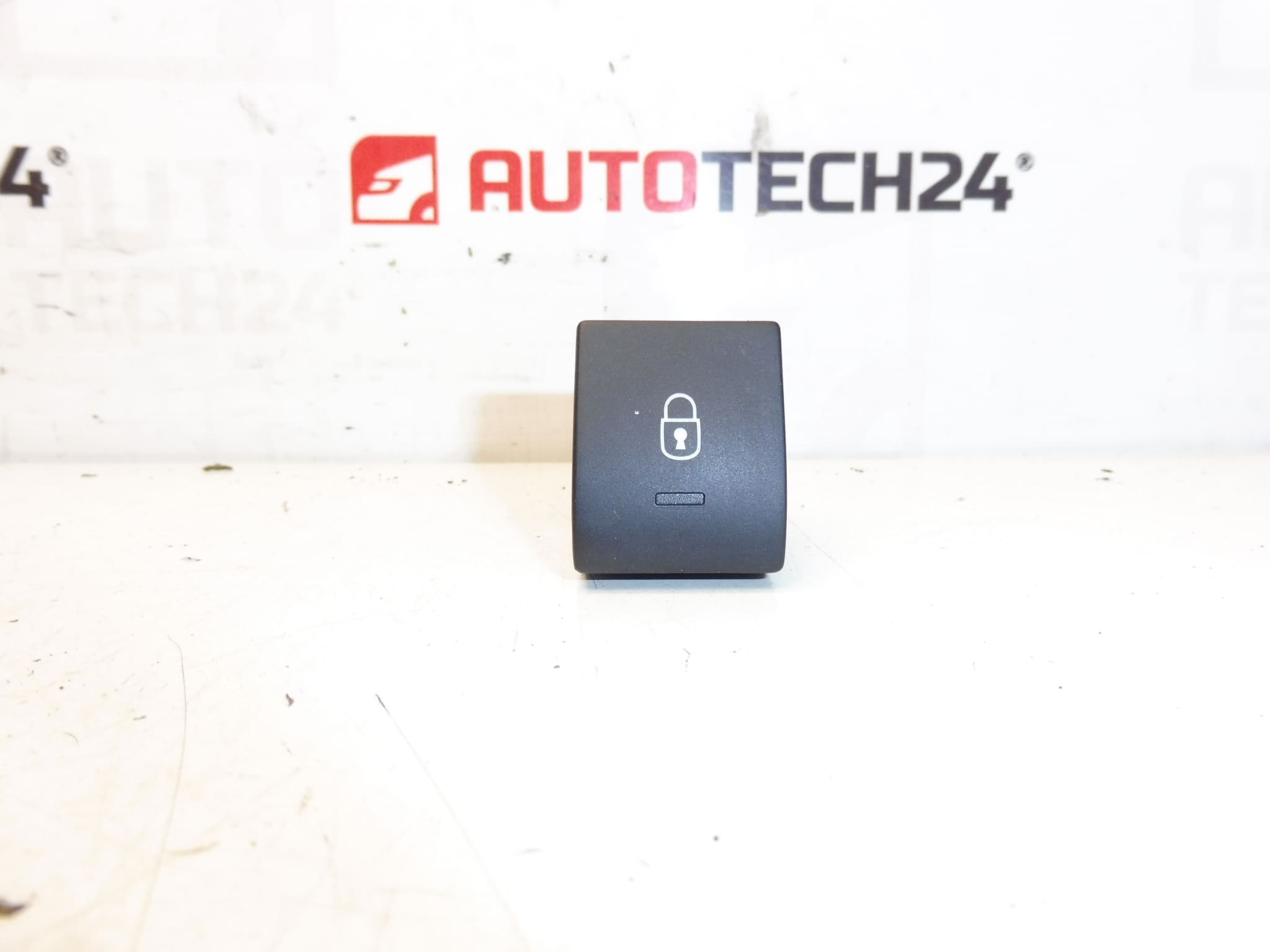
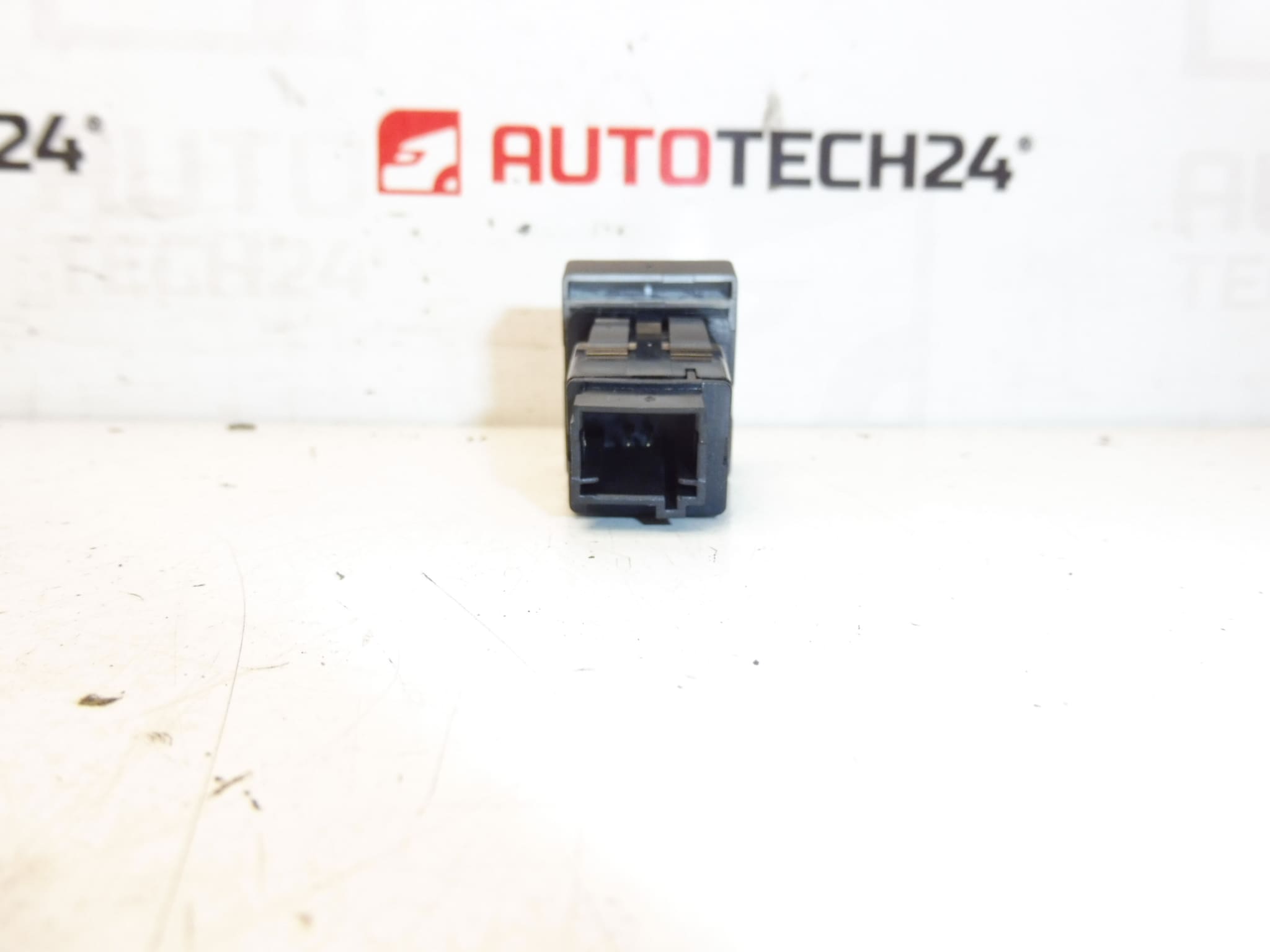
Central Locking Controller for PEUGEOT 3008 and 5008 First Generation
Overview
This Central Locking Controller (also referenced by codes 96652390ZD and 6490Z3) is a direct-fit electrical control unit designed for PEUGEOT 3008 I and PEUGEOT 5008 I. It Controls Door Locking/Unlocking Functions, Communicates With The Vehicle Comfort Network, And Works With Remote Key/Interior Switch Commands. The Unit Is A Practical Replacement For Workshops And Experienced DIYers Looking To Restore Reliable Central Locking Operation.
Why Buy This Part
- Direct Replacement For First Generation 3008 / 5008 Models — Often Searched By Part Numbers 96652390ZD And 6490Z3.
- Ideal For Professional Garages And Competent DIY Mechanics Who Need A Quick Solution For Intermittent Or Non-Working Central Locking.
- Restores Comfort And Security Functions Such As Remote Locking, Deadlocking, And Door Status Feedback.
Symptoms Of A Faulty Controller
Typical Signs That Indicate Controller Failure Include Intermittent Locking/Unlocking, Only Some Doors Responding, Remote Key Commands Not Recognized, Central Locking Activating Randomly, Or Complete Loss Of Central Lock Function. Before Replacing, Check Fuses, Wiring, Door Lock Actuators And Remote Key Battery.
How The Part Is Replaced
Replacement Is Straightforward For Experienced Technicians: Disconnect The Battery, Remove The Interior Trim Or Glovebox (Depending On Unit Location), Unplug Electrical Connectors, Replace The Controller And Reconnect. After Mechanical Fitment, The Unit May Require Data Cloning Or Coding To Become Fully Operational — See The Important Installation And Coding Notes Below. Always Observe Manufacturer Procedures When Handling Electronic Modules.
Installation And Coding – Important
- The Unit Is Used And Is Paired To The Original Vehicle (VIN/PIN/Keys).
- Activation Options:
- 1) Cloning Data From The Old Unit (EEPROM/Flash) – After Cloning The Unit Is Plug And Play.
- 2) Virginization And Subsequent Initialization/Telecoding Via DiagBox (Or Online) + Key Adaptation.
- Recommended To Be Performed By A Specialist With PSA Service Equipment (DiagBox/Lexia/PP2000).
- Always Disconnect The Battery Before Removal/Installation And Follow Manufacturer Procedures To Avoid Damaging The Unit.
Common Causes Of Failure
Central Locking Controllers Typically Fail Because Of Moisture Ingress, Corrosion On Connectors, Electrical Surges, Short Circuits In Wiring, Or Internal Component Wear Over Time. Repeated Water Exposure Around Door Areas And Poor Ground Connections Are Frequent Root Causes. In Some Cases, Faults In Door Lock Actuators Or Switches Can Appear As Controller Issues — Diagnose Wiring And Actuators Before Replacing The Module.
Technical Information
- Manufacturer: Stellantis / Peugeot / Citroën
- Model: PEUGEOT 3008 I, PEUGEOT 5008 I
- Product Codes: 96652390ZD, 6490Z3
- Other Numbers: 96652390ZD, 6490Z3
Recommendations For Installation
- Inspect Wiring Harnesses, Connector Pins And Fuses Before Fitting A New Controller.
- Replace Corroded Terminal Pins Or Repair Damaged Wiring To Prevent Recurrence.
- After Installation, Verify All Door Lock Functions, Remote Commands And Central Lock Status Via Vehicle Diagnostics.
- When In Doubt About Coding Or Initialization Steps, Have The Procedure Carried Out By A Service Technician With PSA Diagnostic Tools.