Description
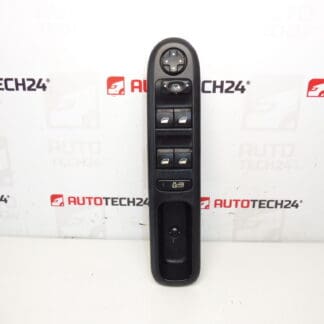
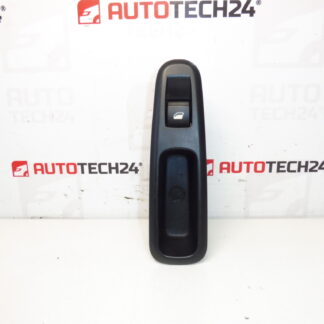
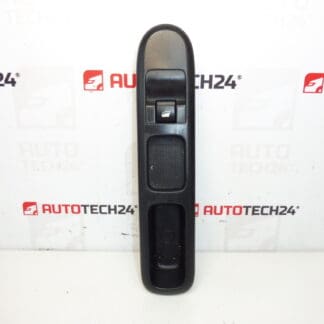
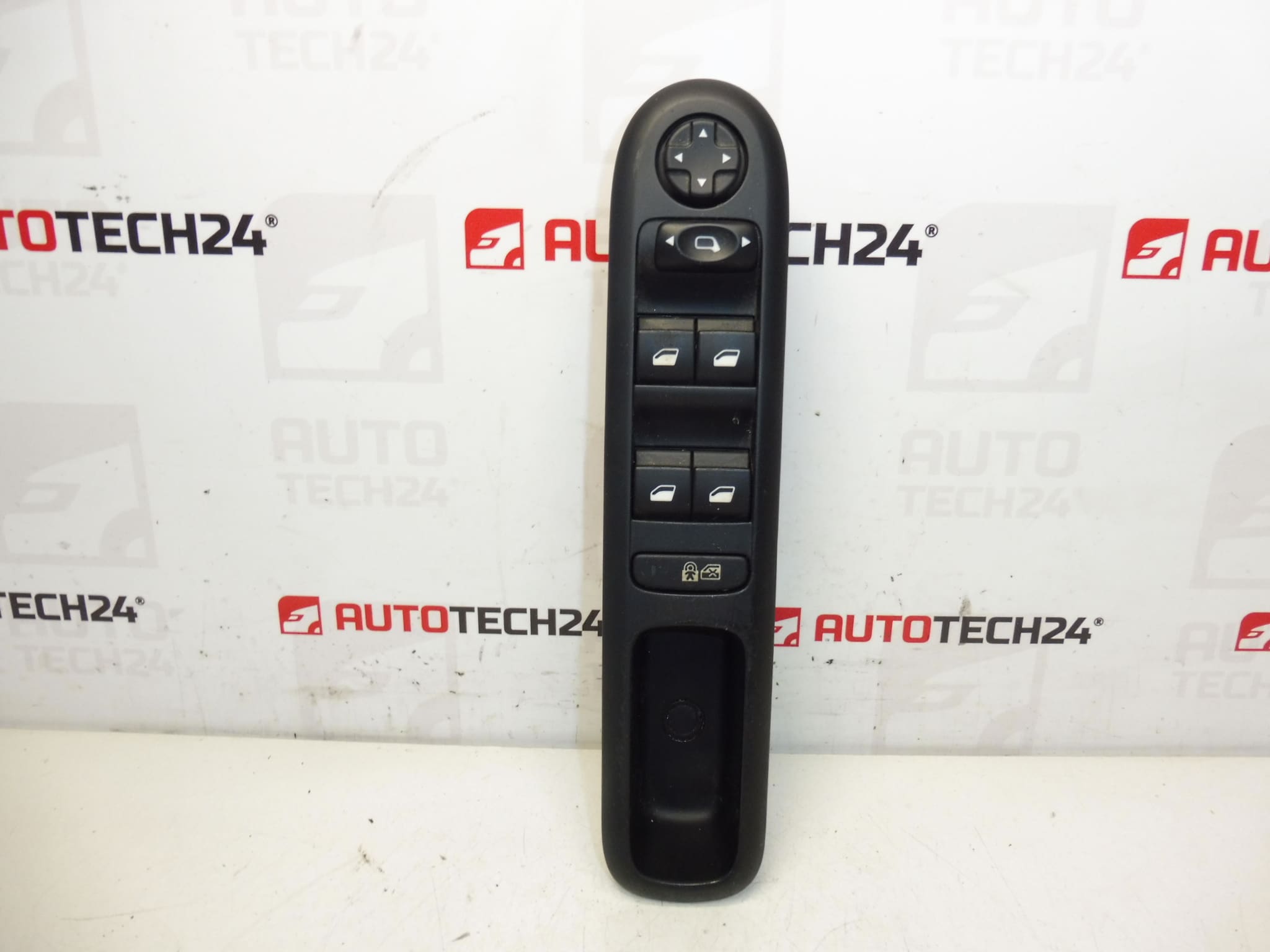
Window and Mirror Switch for PEUGEOT 3008 and 5008 T84
Product Overview
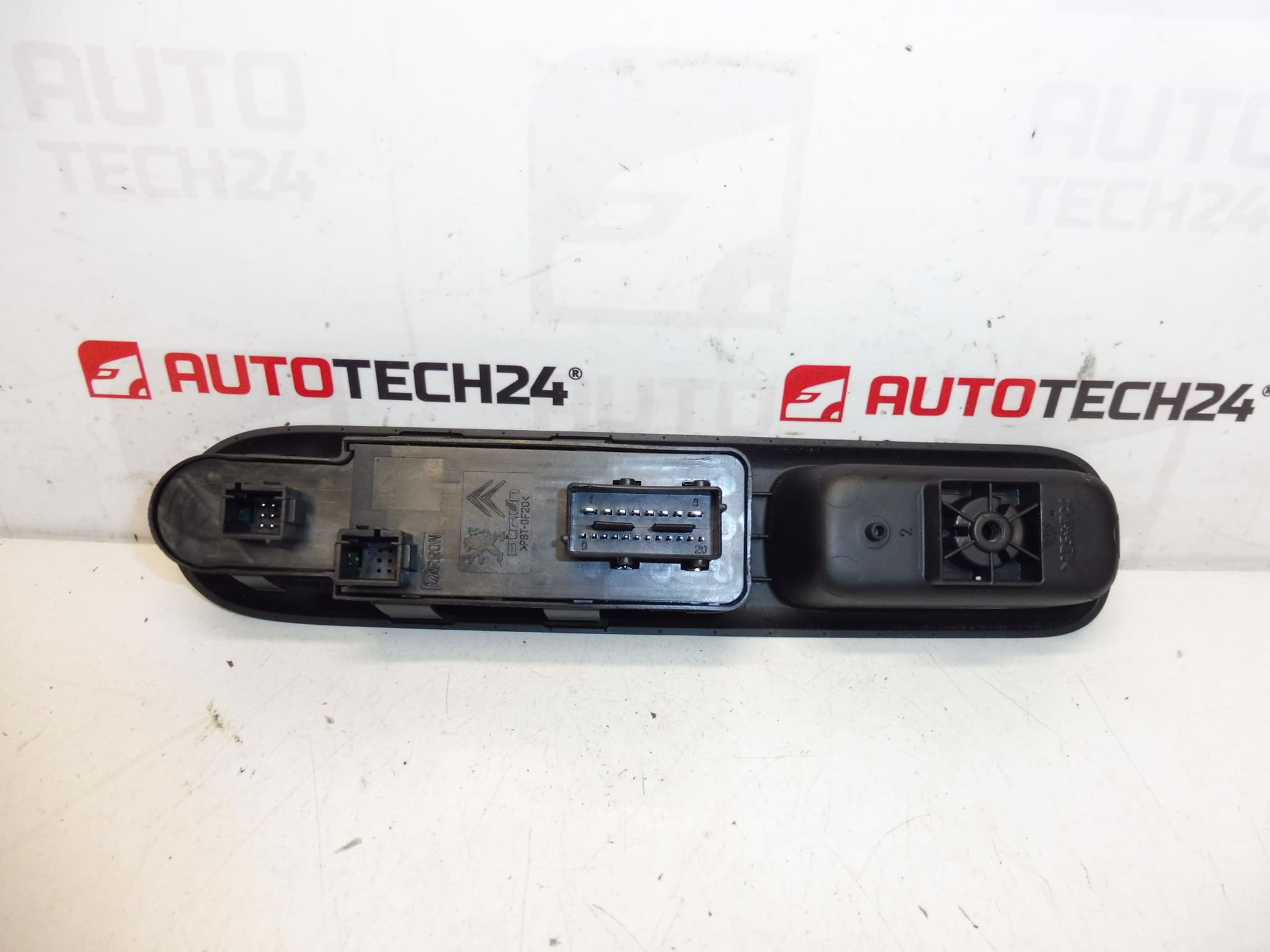
This replacement Window and Mirror Switch is designed for PEUGEOT 3008 and 5008 vehicles built on the T84 platform. Ideal for professional workshops and experienced DIY mechanics, the unit controls all power window functions from the driver’s door and integrates mirror adjustment and folding commands where applicable. Commonly referenced by part numbers 96650620ZD and 6490X5, this switch is a direct-fit option for restoring full window and mirror operation.
Key Benefits
- Direct replacement for factory switch assemblies on PEUGEOT 3008/5008 T84 models.
- Restores full power window control and mirror adjustment functionality.
- Search-friendly part numbers (96650620ZD, 6490X5) help technicians and DIYers find the correct unit quickly.
- Robust mechanical buttons and integrated electronics designed for frequent use on the driver’s door.
Technical Information
- Manufacturer: Stellantis / Citroën / Peugeot
- Model: PEUGEOT 3008 I (T84), PEUGEOT 5008 I (T84)
- Product Codes: 96650620ZD, 6490X5
- Additional Numbers: 96650620ZD; 6490X5
Quick Replacement Guide
- Ensure vehicle is parked, ignition off and battery disconnected to avoid accidental short circuits.
- Carefully remove the interior door trim using plastic trim tools to avoid damaging clips and upholstery.
- Unscrew and release the old switch module from the door armrest or bezel.
- Unplug the electrical connector(s) and transfer any retaining clips or surrounds to the new unit if required.
- Plug in the new switch, seat it into position and fasten screws or clips. Refit the door trim and reconnect the battery.
- Test all window and mirror functions before finishing reassembly to confirm correct operation.
Installation Recommendations
- Disconnect the negative battery terminal before starting work to prevent short circuits and accidental airbag deployment.
- Use non-marring trim tools to remove panels and avoid breaking plastic clips.
- Inspect wiring harness and connector for corrosion or damaged pins; clean contacts if necessary before fitting the new switch.
- If the vehicle has central locking or comfort modules, verify functions after installation to ensure there are no communication faults.
Why This Part Fails Most Often
Driver-side master switches endure the most frequent use, making them prone to mechanical wear, worn contacts and intermittent operation over time. Common causes of failure include dirt and moisture ingress, sticky or worn rocker switches, oxidised electrical contacts in the connector, and damage from impacts or improper removal. Electrical surges or short circuits can also damage the internal electronics, particularly if the vehicle wiring has been modified or previous repairs were poor.
Notes for Buyers
Search by part numbers 96650620ZD and 6490X5 to quickly confirm fitment for PEUGEOT 3008 and 5008 T84 models. Suitable for professional installation or competent DIY repairers familiar with door trim removal and basic electrical checks. Replacing the switch will typically resolve issues such as unresponsive windows, intermittent mirror adjustment or non-functioning central controls originating at the driver’s door switch assembly.