Description
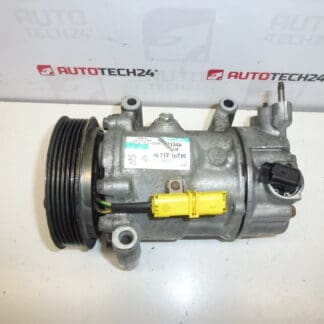
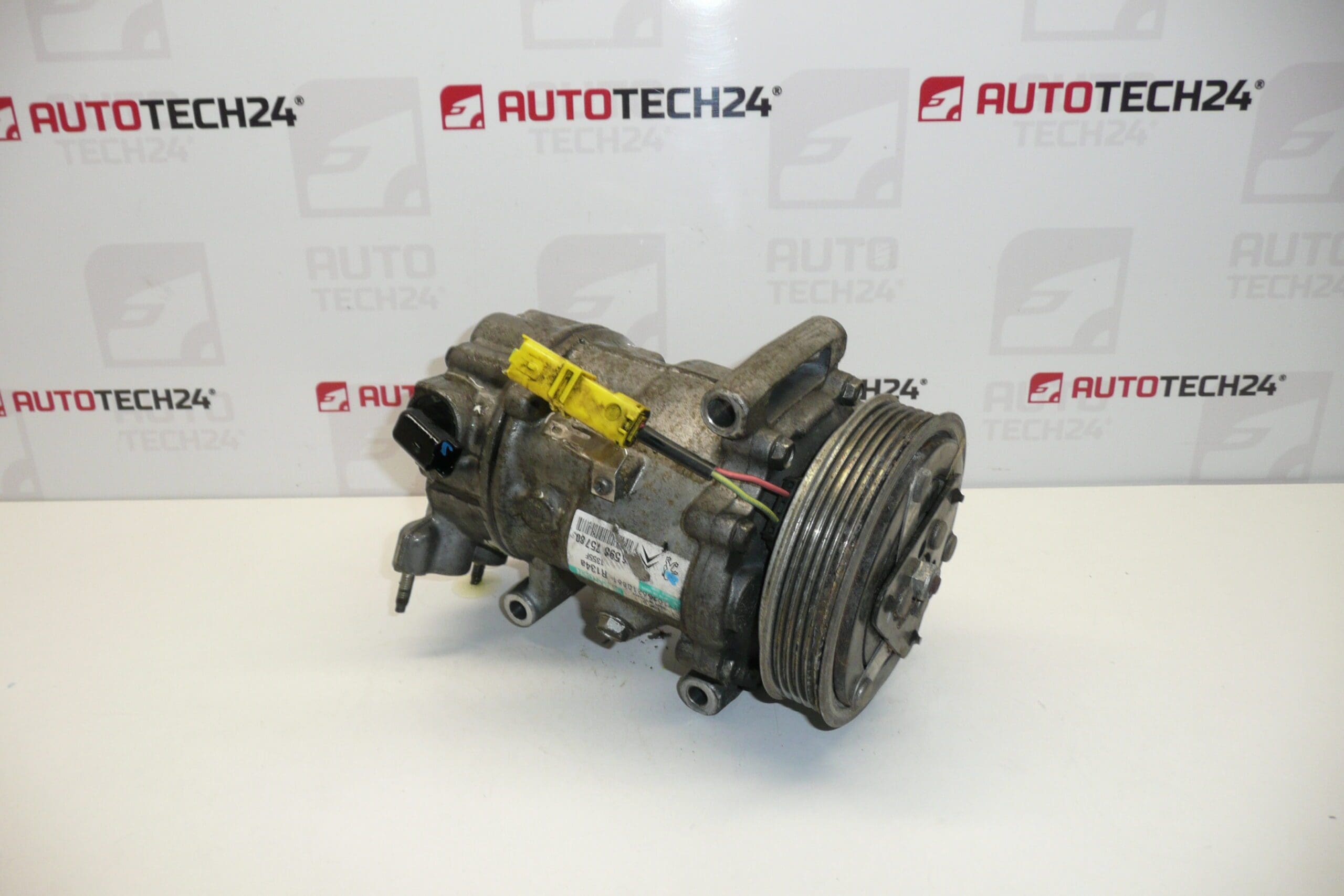
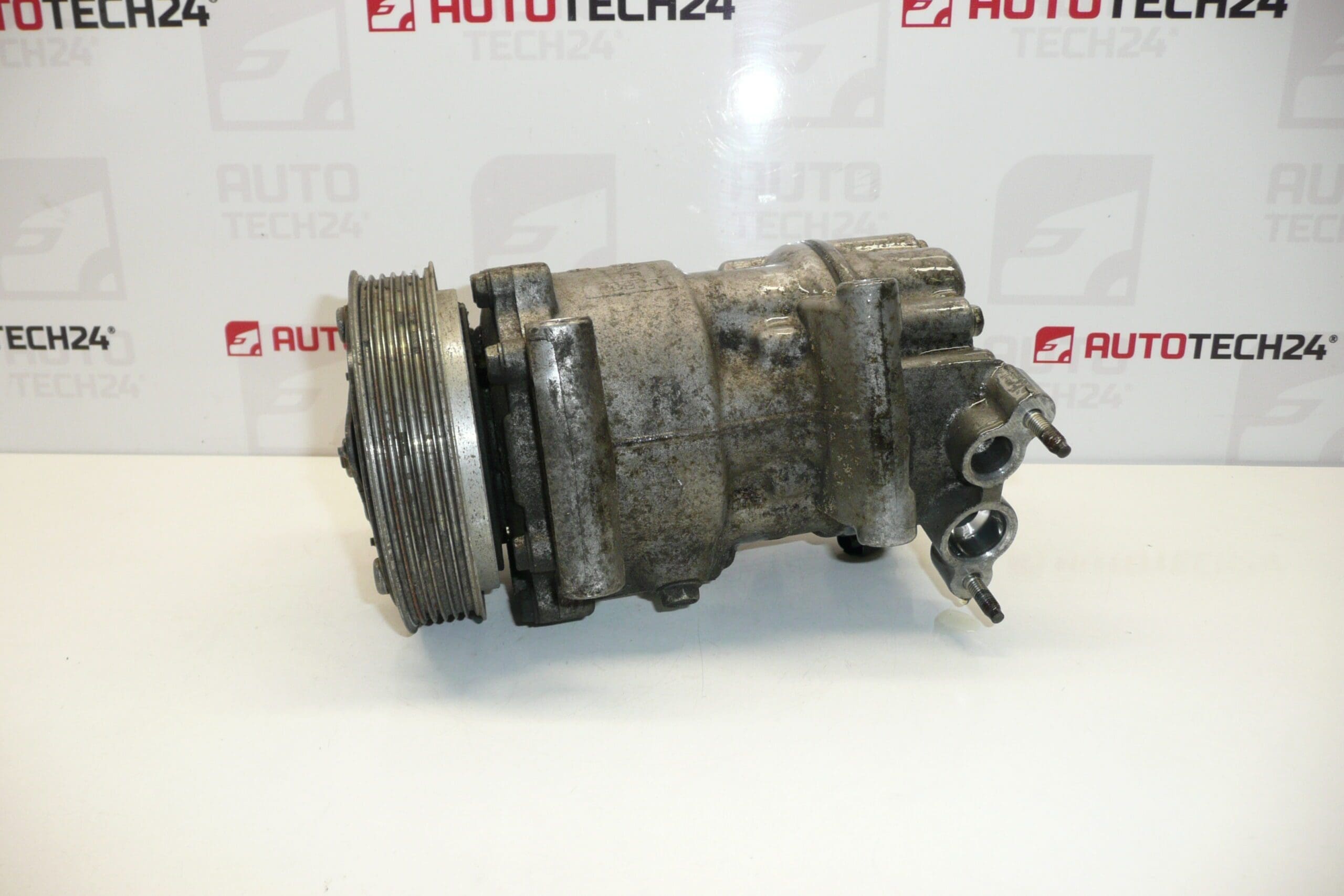
Air Conditioning Compressor For Citroën Peugeot Sanden 1355F SD6V12. From a vehicle with 88,000 km.
This used Sanden SD6V12 (1355F) air conditioning compressor is suitable for a range of Citroën and Peugeot vehicles and is a cost-effective replacement part for workshops and DIY mechanics. The unit comes from a car with 88,000 km and is offered as a direct-fit component for systems that use the Sanden SD6 series. Many customers search by OEM or aftermarket reference numbers, so we list all known codes below to simplify identification.
Key Features
– Genuine Sanden Design: Reliable compressor architecture widely used on PSA group vehicles.
– Direct Fit For Common PSA Models: Compatible with a number of Citroën and Peugeot applications (see Technical Information).
– Ideal For Professional Repair Or Experienced DIY: Suited for workshops performing refrigerant recovery and system servicing.
Technical Information
- Manufacturer: Sanden
- Model: SD6V12 / 1355F
- Product Codes: 9659875780, 9822826880, 1671553680
- Additional Numbers: 6453WK, 6453WL, 648708, 6453QK
- Origin: Removed from vehicle with 88,000 km
Typical Fitment
This compressor is commonly fitted to models in the PSA group. Examples include Citroën C4 and Peugeot 207, 307, 308. Fitment can depend on engine variant and production date, so verify reference numbers listed above against the vehicle’s existing compressor part number.
Installation Recommendations
- Recover refrigerant from the A/C system using approved equipment before removing the compressor.
- Always Replace the Receiver-Drier / Accumulator and inspect the Expansion Valve or Orifice Tube when replacing the compressor to avoid contamination.
- Drain and measure oil in the old compressor to match the correct type and quantity of PAG oil when fitting the replacement; follow manufacturer specifications for oil type and volume.
- Evacuate the system with a vacuum pump and perform a leak test before recharging with the correct refrigerant (model-dependent system refrigerant, typically R134a for many vehicles in this range).
- Check belt tension, pulley alignment and clutch operation. Replace the drive belt if worn.
- After installation, test the system for correct pressure, clutch engagement and cooling performance.
Why Compressors Fail
Common causes of compressor failure include internal wear of bearings and pistons, contamination from a failing evaporator or condenser, moisture ingress causing oil degradation, and loss of lubrication due to refrigerant leaks. Electrical clutch or pulley problems and foreign debris in the system also frequently lead to premature failure. Addressing the root cause (leaks, contaminated oil, clogged drier) is essential to prevent repeat failures.
Notes For Mechanics And DIY Enthusiasts
Searches for this part are often performed using the OEM numbers listed above. Make sure to compare the stamped or printed part number on the existing compressor before ordering. This unit is intended for professional installation or experienced DIY mechanics familiar with A/C service procedures and safety regulations.
Mounting
Install following vehicle manufacturer torque specifications for mounting bolts. Ensure electrical connectors and clutch air gap are correctly seated and adjusted. Refit all A/C lines with new seals and torque to spec to prevent refrigerant leaks.
Common Replacement Interval
Compressor life varies with use and maintenance; many units last well over 100,000 km if the A/C system is kept clean and leak-free. Frequent short trips, lack of maintenance, or contamination reduce service life.