Description
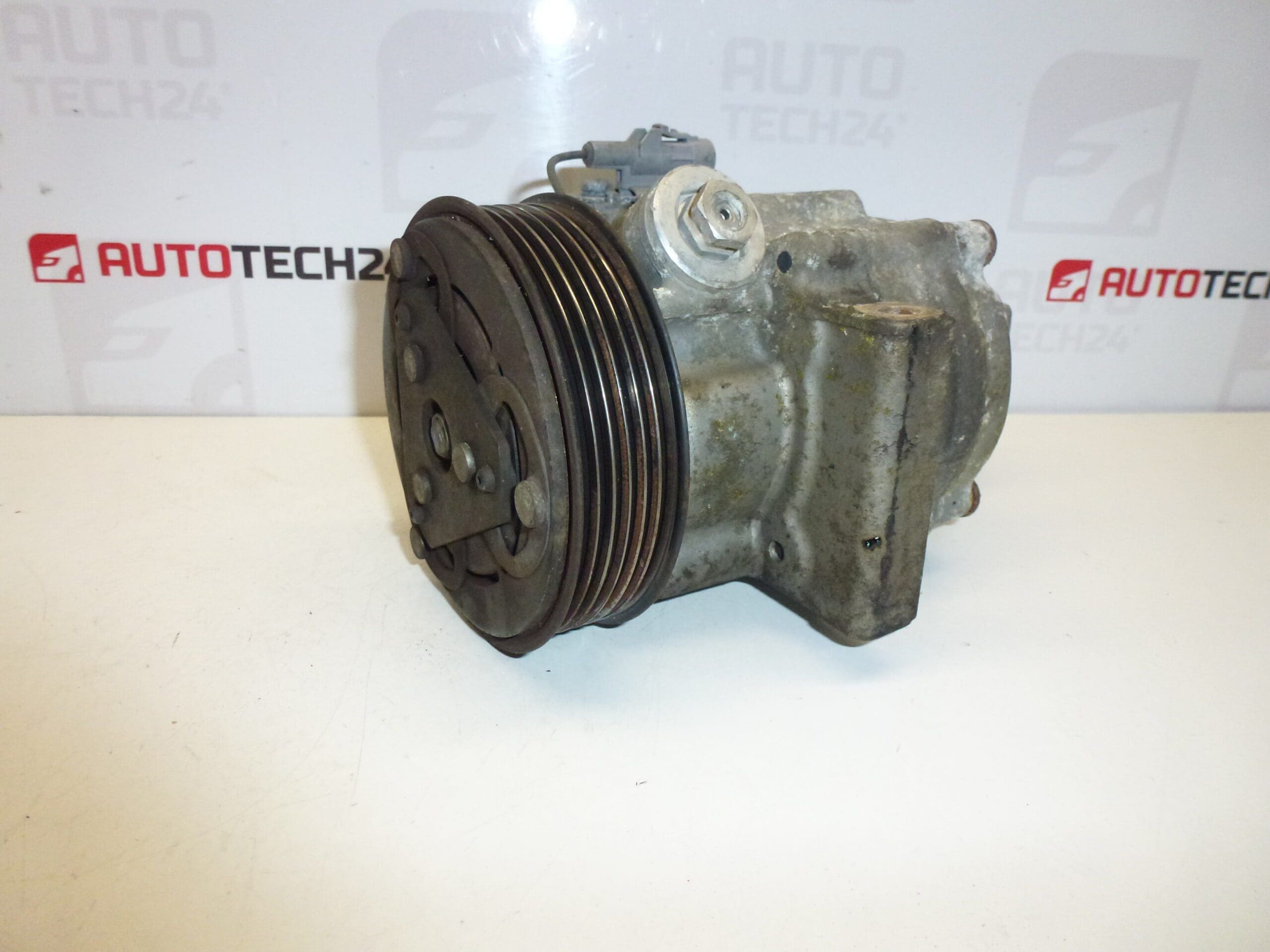
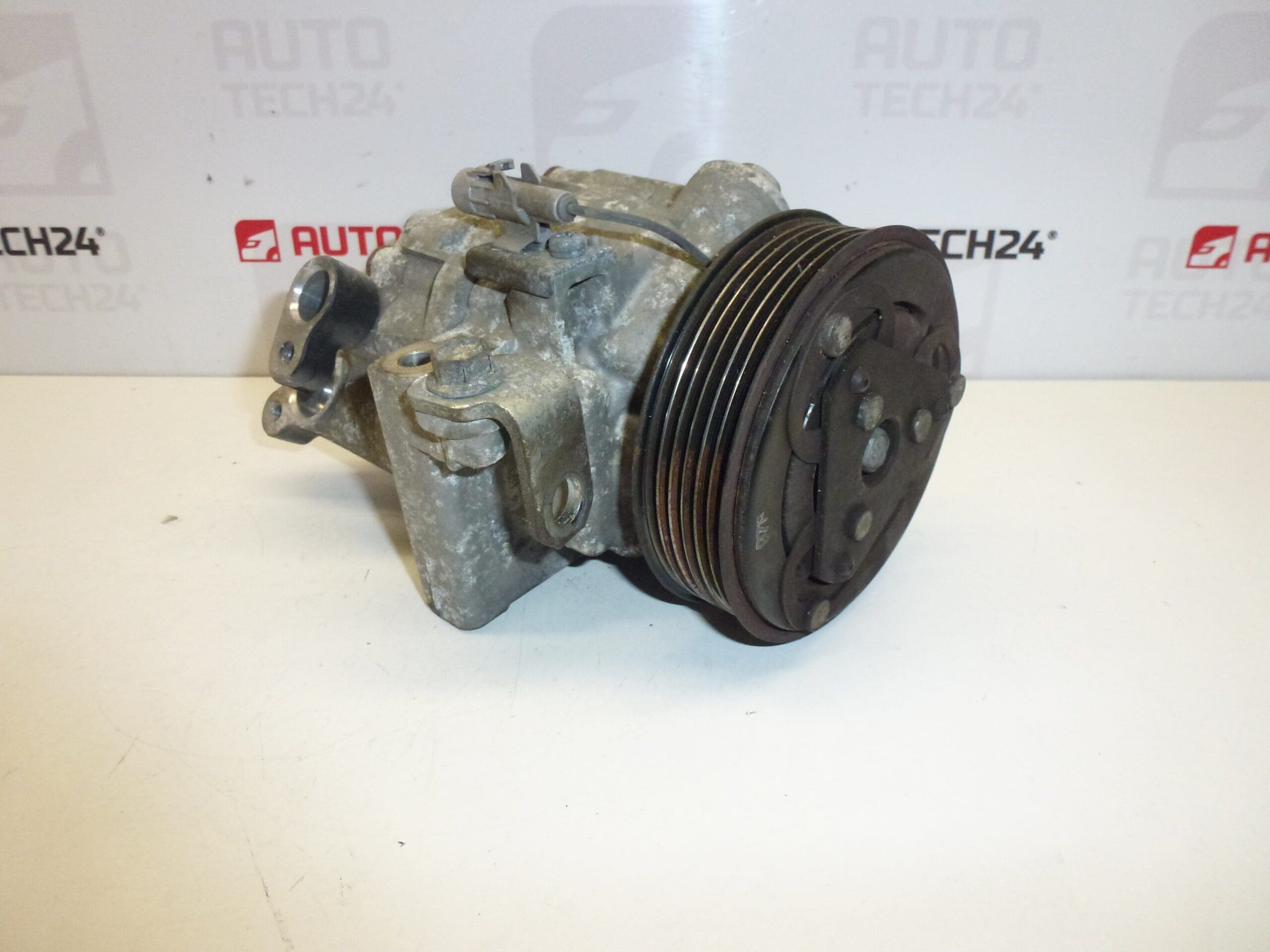
Air Conditioning Compressor by Valeo or Zexel for Citroën C1, Toyota Aygo and Peugeot 107.
Product Overview
This direct-fit air conditioning compressor is designed for Citroën C1, Peugeot 107 and Toyota Aygo models. Suitable for professional workshops and experienced DIY mechanics, the unit matches common OEM references and replacement codes used by Stellantis and aftermarket suppliers Valeo and Zexel. Ideal when the A/C system shows poor cooling, abnormal noises from the compressor clutch, or when the compressor is seized.
Key Benefits
- Direct replacement for listed models with OEM cross-references included.
- Restores A/C performance and system pressure when paired with proper service (evacuation, vacuum and recharge).
- Compact unit designed for straightforward fitment in the engine bay of C1/107/Aygo vehicles.
- Suitable for both professional installation and competent DIY replacement when following correct procedures.
Technical Information
- Manufacturer: Valeo or Zexel
- Model: Citroën C1, Peugeot 107, Toyota Aygo
- Product Codes: 88310-0H010, 88310-0H010-J, 88310-0H010-C, 88310-0H010-O, 6453RJ
- Additional Numbers: Stellantis / CITROËN / PEUGEOT references
Fitment And Replacement
Confirm compatibility by matching the part number on the existing compressor to the product codes listed above. Typical applications include early-generation Citroën C1, Peugeot 107 and Toyota Aygo models that share the same A/C system layout.
Installation Recommendations
- Always recover refrigerant using approved recovery equipment before disconnecting any A/C lines; handling refrigerant without proper equipment is illegal and unsafe.
- Replace receiver/drier or accumulator and all O-rings when installing a new compressor to avoid contamination and ensure system longevity.
- Check the system for metal debris or contamination—if present, flush the system or replace affected components to prevent premature failure of the new compressor.
- Transfer the correct amount and type of PAG oil if the compressor is supplied without oil; use the oil specification recommended for the vehicle (consult service manual).
- After installation: evacuate the system with a vacuum pump, perform a vacuum hold test, and recharge with the correct refrigerant charge (commonly R-134a on these models) and lubricant following manufacturer specifications.
- Verify belt condition and tension; replace the drive belt if worn. Inspect electrical connector and clutch engagement under controlled conditions.
Why The Part Most Commonly Fails
- Contamination from a failed dryer/accumulator or previous compressor failure (metal debris) leading to internal wear and seizure.
- Insufficient lubrication due to refrigerant leaks, improper oil amount during service, or long-term low refrigerant levels.
- Clutch wear or electrical faults preventing clutch engagement.
- Overheating caused by high system pressures (blocked condenser) or prolonged heavy use without service.
Practical Tips For Mechanics And DIYers
- Keep a clean working environment to prevent dirt entering the A/C circuit while hoses are open.
- Record and compare system pressures before and after replacement to confirm proper operation.
- Use factory service data for torque settings, refrigerant quantities and diagnostic procedures where available.
Notes On Supply
Part numbers and cross-references are provided to help locate the correct unit. Always match the number stamped on the original compressor to the product codes listed in the Technical Information section to ensure proper fitment.