Description
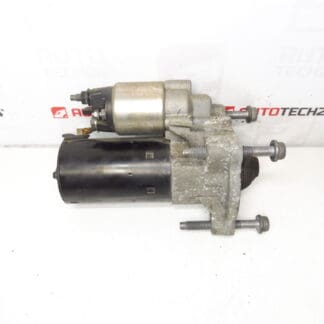
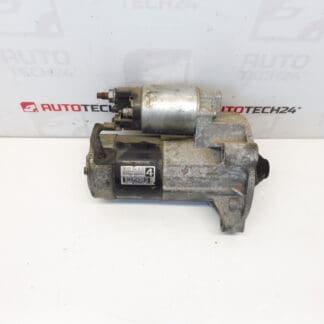
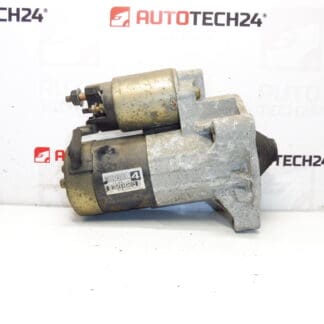
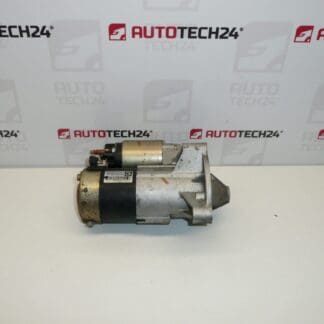
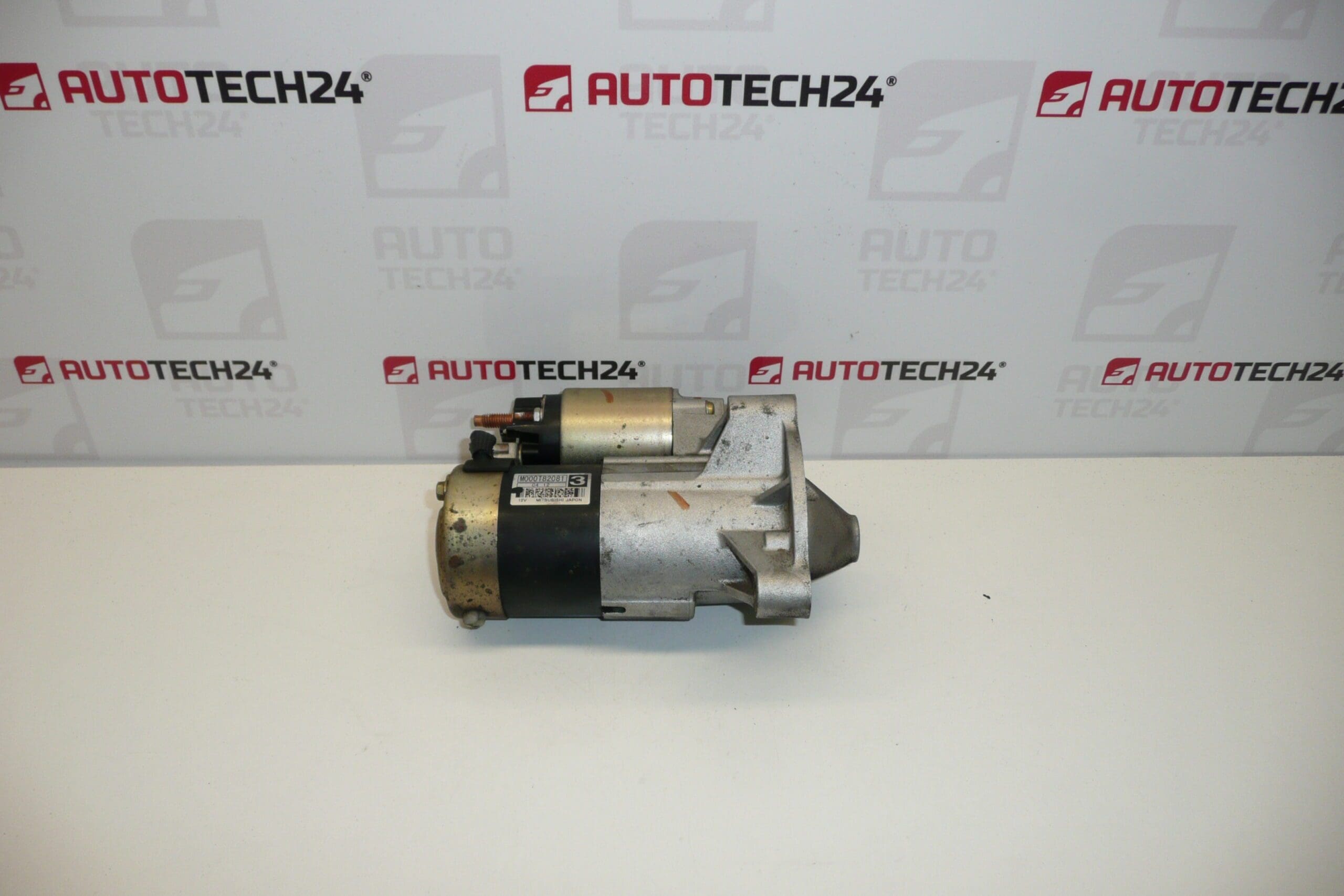
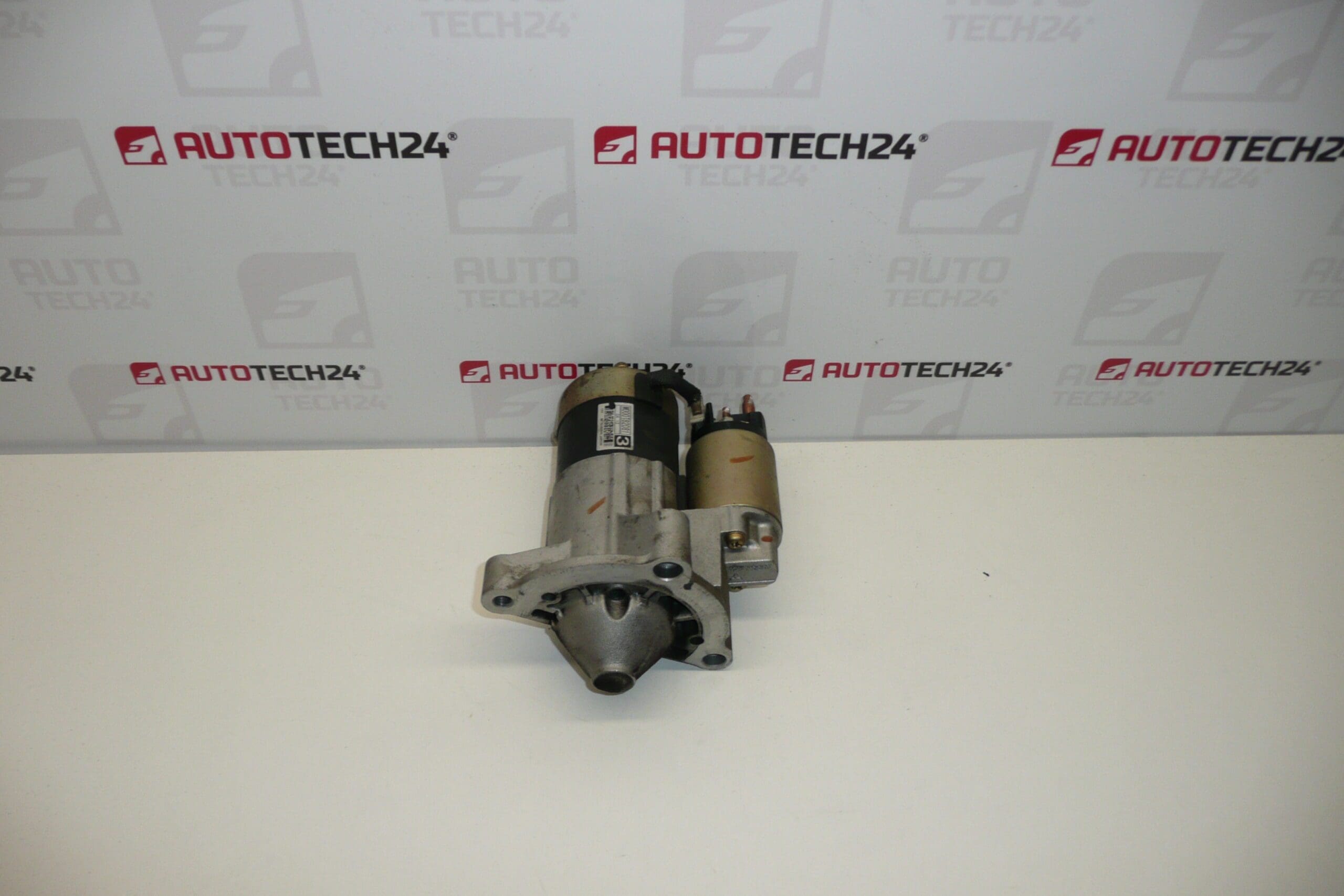
Mitsubishi starter M000T82081 for 1.8 16V, 2.0 16V and 2.2 16V engines for Citroën and Peugeot vehicles.
This starter motor is a direct-fit replacement for a range of Citroën and Peugeot petrol engines with 16-valve cylinder heads. Designed to restore reliable cranking and quick engine starts, the unit corresponds to common OEM references used across Stellantis platforms. Ideal for professional workshops and DIY mechanics who search by part number (M000T82081, 9656317680, 5802V7, 5802W1), this starter helps eliminate typical starting issues such as slow cranking, intermittent engagement or complete no-starts caused by a failing starter.
Technical Information
- Manufacturer: Mitsubishi
- Model: 1.8 16V; 2.0 16V; 2.2 16V
- Product Codes: M000T82081; 9656317680; 5802V7; 5802W1; 5802CW
- Additional Numbers: M000T82081 (Mitsubishi Reference)
Compatibility
Fits a variety of Citroën and Peugeot models equipped with 1.8 16V, 2.0 16V and 2.2 16V petrol engines. The quickest way for technicians to confirm fitment is by matching the vehicle’s existing starter part number with the product codes listed above. This starter is commonly used on Stellantis platforms from the late 1990s through the 2010s where these engine types are fitted.
Function And Typical Failure Modes
The starter motor converts electrical energy from the battery into mechanical rotation to crank the engine. Key components include the solenoid, pinion drive, armature, brushes and bearings. Common reasons for starter failure are:
- Worn Brushes Or Commutator: Causes weak or no cranking as electrical contact degrades over time.
- Solenoid Or Drive Faults: Intermittent engagement or grinding if the pinion does not engage the flywheel correctly.
- Bearing Wear Or Seizure: Excessive noise, slow spin or mechanical lock-up.
- Electrical Issues: Poor ground, corroded terminals or low battery voltage that mimic starter failure.
- Contamination: Oil or moisture ingress shortening component life.
Service life depends on driving style, environmental exposure and electrical system condition; starters commonly last well over 100,000 km in normal use but can fail sooner under harsh conditions.
Installation Recommendations
Recommended steps for safe and effective replacement by an experienced mechanic or competent DIYer:
- Disconnect Negative Battery Terminal Before Starting Work To Prevent Short Circuits.
- Raise And Secure Vehicle If Required To Access The Starter From Below.
- Label And Remove Electrical Connections To The Starter Solenoid, Then Unbolt The Starter From The Bellhousing.
- Compare The New Unit With The Old One To Confirm Mounting Points And Electrical Terminals Match.
- Inspect The Flywheel Ring Gear Teeth For Damage And Check Wiring Harness And Ground Straps For Corrosion.
- Refit Starter And Tighten Mounting Bolts Securely. Reconnect Electrical Terminals And Battery.
- Perform A Cranking Test And Voltage Drop Check Across Positive And Ground Circuits To Verify Proper Electrical Supply.
If you are not confident with underbody work or electrical diagnostics, have the replacement carried out by a professional workshop. After installation, listen for clean engagement and consistent cranking speed; any grinding or hesitation suggests further inspection of ring gear or alignment.
Why Choose This Part
Buying by part number ensures accurate fitment and reduces diagnostic time in the workshop. This starter carries widely used OEM references for Citroën and Peugeot engines, making it a practical choice for technicians and DIY enthusiasts who need a reliable replacement to restore correct starting performance.