Description
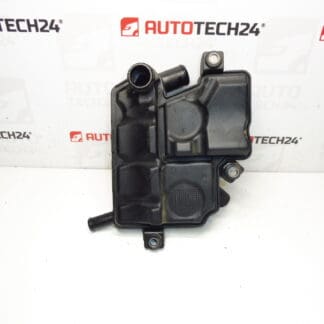
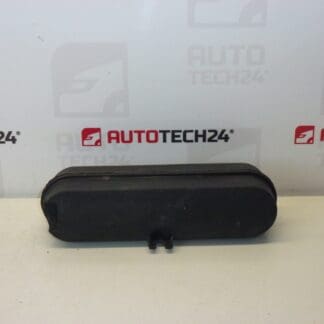
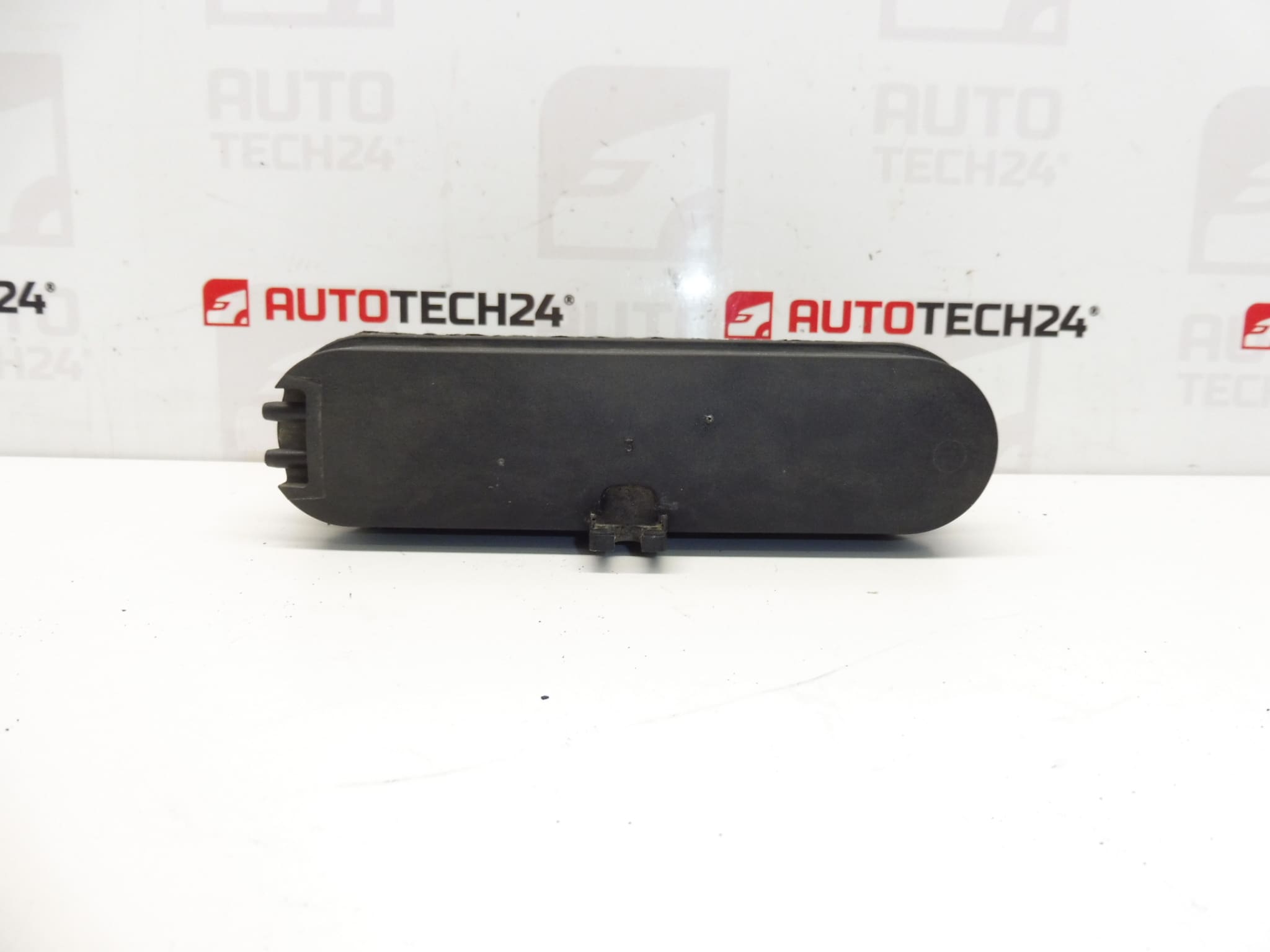
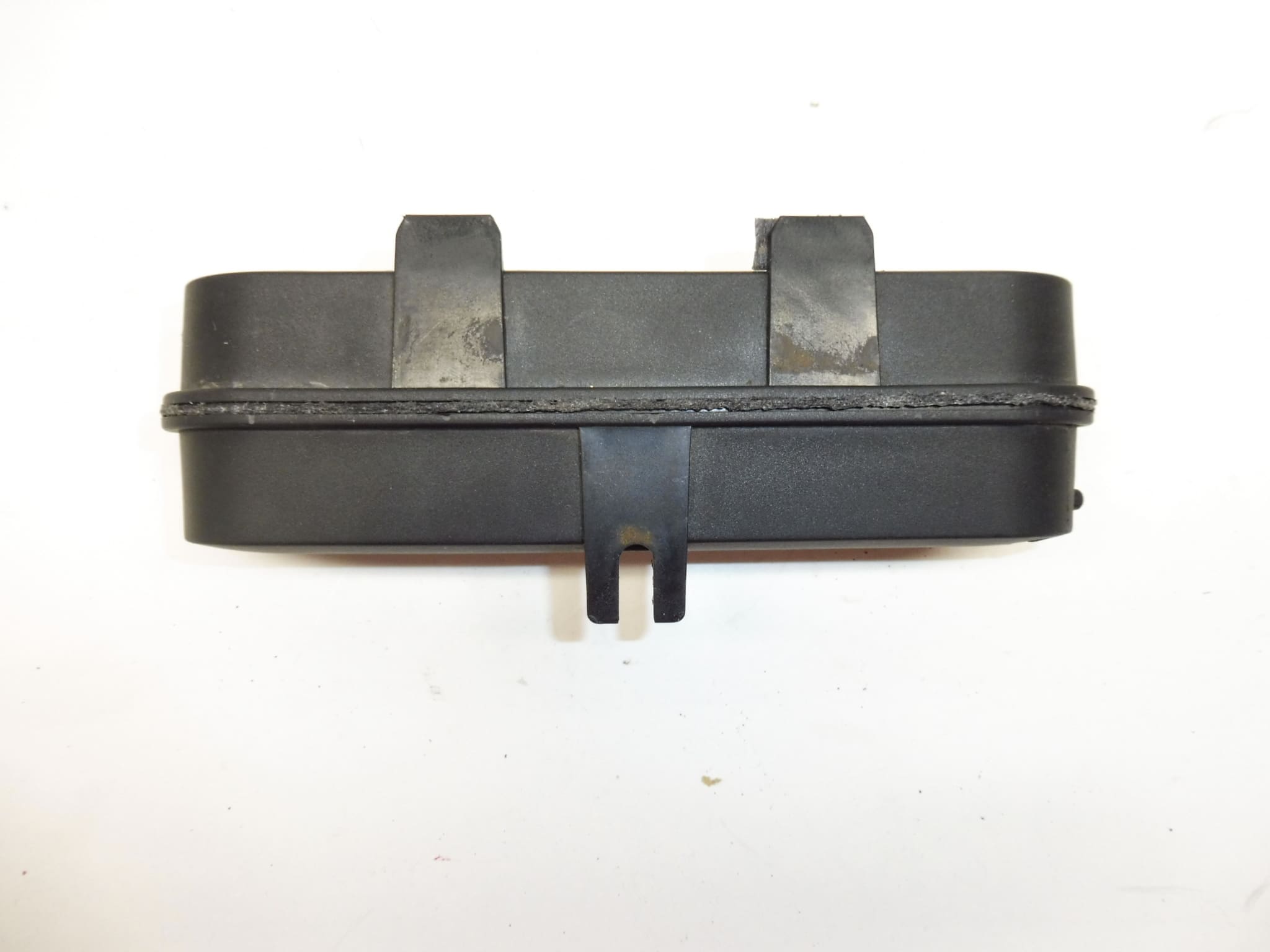
Vacuum Reservoir For Citroën And Peugeot With 1.4 HDi, 2.0 HDi, 2.2 HDi Engines
This Vacuum Reservoir (vacuum accumulator) is designed for use on Citroën and Peugeot diesel engines equipped with HDi technology. It stores vacuum generated by the engine vacuum pump to ensure stable brake boost and reliable operation of vacuum-operated systems during transient engine conditions. The part is frequently searched by its product numbers, making quick identification and ordering easy for professional mechanics and DIY enthusiasts.
Application And Function
The Vacuum Reservoir Provides A Reserve Of Vacuum For The Brake Servo And Other Vacuum-Operated Components. On HDi Diesel Engines, Where Engine Vacuum Is Supplied By An External Vacuum Pump, The Reservoir Smooths Out Fluctuations, Prevents Hard Brake Pedal Feel During High Load Or Rapid Throttle Changes, And Helps Maintain Consistent Brake Assist Performance.
Technical Information
- Manufacturer: Stellantis
- Model: Citroën C3; Citroën C5; Citroën C5 X7; Peugeot 1007; Peugeot 307; Peugeot 607; Compatible With 1.4 HDi, 2.0 HDi, 2.2 HDi Engines
- Product Codes: 9635576177, 162779
- Additional Numbers: Not Specified
Symptoms Of A Faulty Reservoir
Common Symptoms Include A Hard Or Heavy Brake Pedal After Engine Start, Intermittent Loss Of Brake Assist, Hissing Sounds Near The Reservoir Or Hoses, Poor Performance Of Vacuum-Operated Accessories, And Diagnostic Trouble Codes Related To Vacuum Supply. These Symptoms Warrant A Visual Inspection And Pressure/leak Check Of The Vacuum System.
Installation Recommendations
Replace The Reservoir Following These General Steps: Locate The Reservoir (Usually Near The Brake Booster Or Inner Wing), Visually Inspect And Mark Hose Positions, Loosen Hose Clamps And Remove Vacuum Hoses, Unbolt The Reservoir From Its Mounting Bracket, Install The Replacement Unit Ensuring The Check Valve Orientation Is Correct, Reconnect Hoses And Clamps Securely, Start The Engine And Confirm Proper Vacuum Supply And Absence Of Leaks. Use New Hose Clips Where Possible And Ensure Hoses Are Free From Cracks. Work On A Cold Engine When Practical And Wear Appropriate Safety Equipment.
Why This Part Fails Most Often
Failure Usually Results From Ageing And Environmental Stress: Plastic Housings Become Brittle Over Time From Heat Cycling, Chemical Exposure, And Vibration, Leading To Hairline Cracks Or Fractures. Hoses And Seals Also Degrade, And The One-Way Check Valve Can Stick Or Leak. Impact Damage Or Poorly Routed Hoses Can Accelerate Failure.
Service Life And Maintenance Tips
Lifespan Varies With Driving Conditions And Maintenance, But Reservoirs Commonly Last Many Years; Failures Are More Likely After High Mileage Or Prolonged Exposure To Heat And Oil Contamination. Inspect Vacuum Hoses And Clamps During Routine Service Intervals, Replace Brittle Or Swollen Hoses, And Test The Vacuum System If Brake Assist Performance Deteriorates.
Part Numbers Included In This Listing Allow Fast Identification For Workshops And DIYers Searching Online. Correct Replacement Ensures Reliable Brake Assist And Restores Proper Function Of All Vacuum-Operated Systems On The Vehicle.