Description
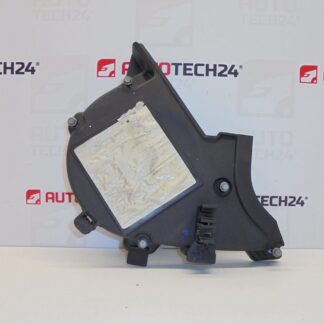
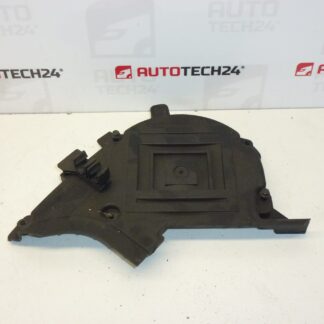
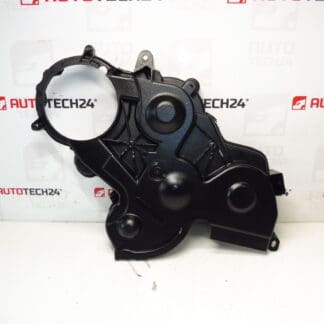
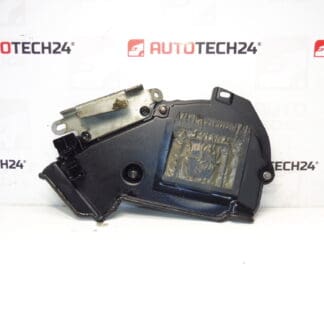
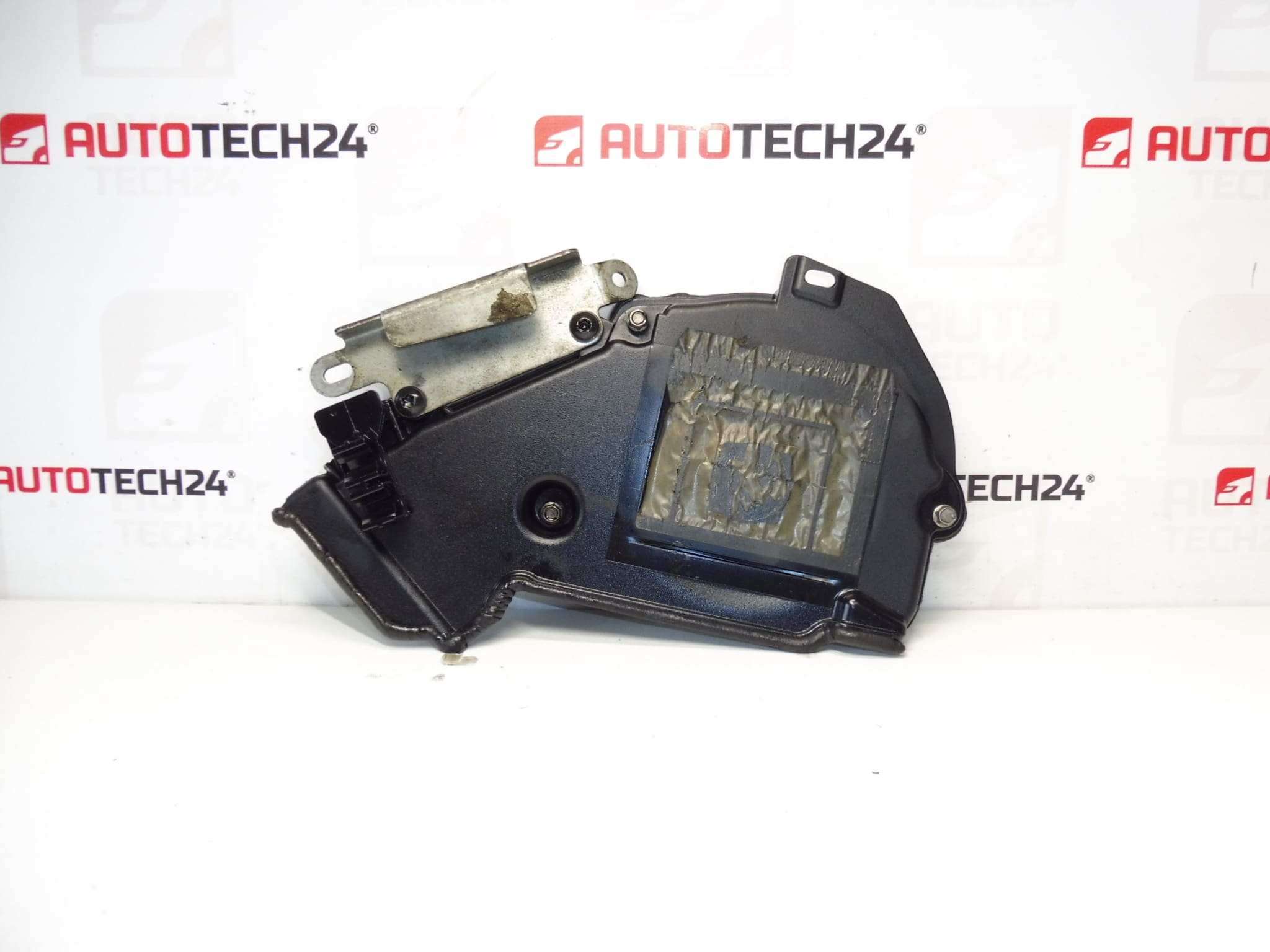
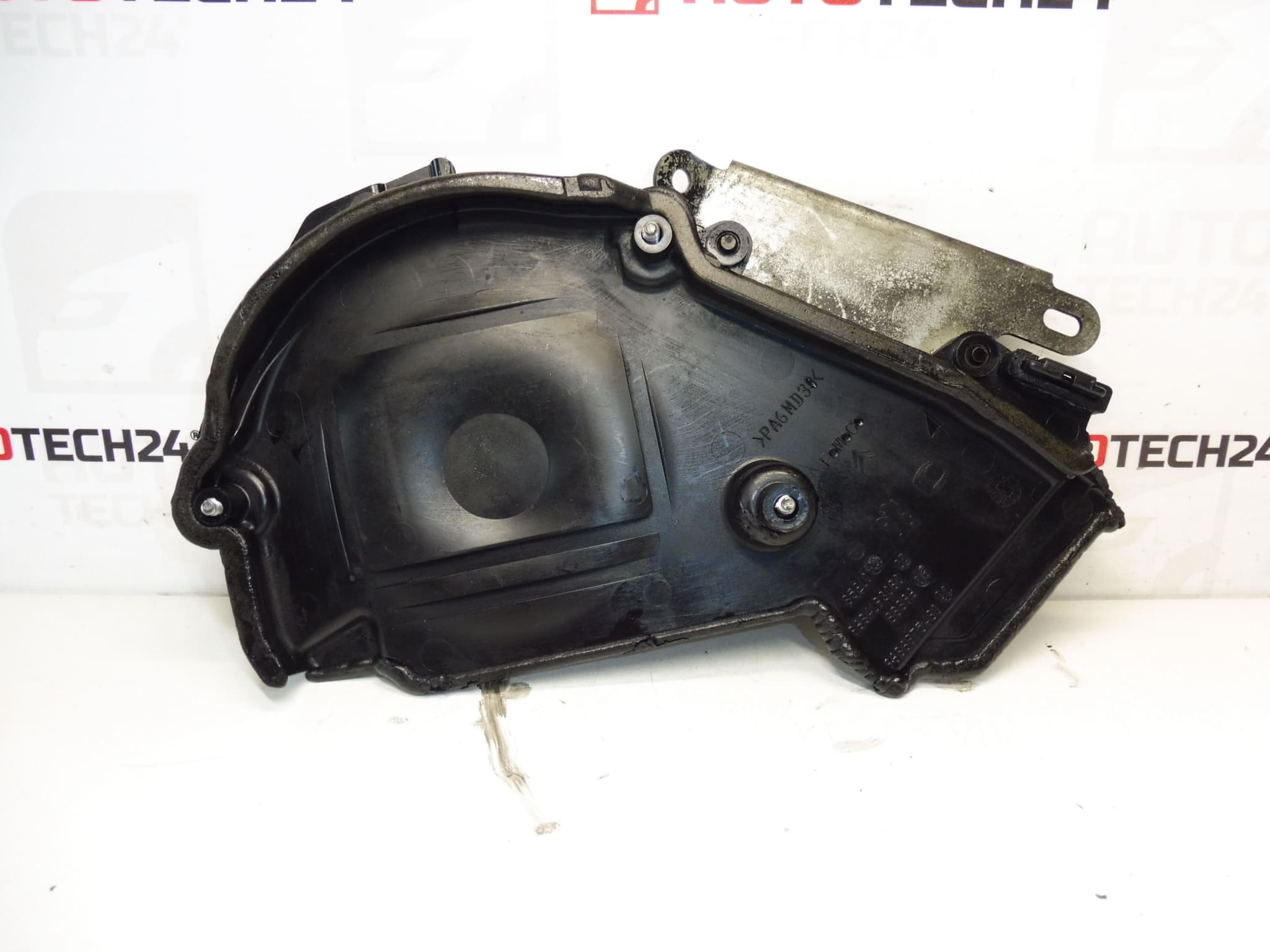
Upper timing cover for CITROEN and PEUGEOT 1.6 HDI 8V cars
Part description
This used distribution cover is intended for Citroën Peugeot 1.6 HDI 8V engines and is used to cover and protect the distribution area from dirt, dust and other operating influences. It is an important engine part that helps protect the timing mechanism and contributes to the cleanliness of the engine compartment.
The part is also searchable by product number, which facilitates correct identification when repairing or replacing a damaged cover. It is particularly suitable for car mechanics and home-builders who are looking for an original used car part for Citroën and Peugeot cars.
Technical information
- Manufacturer: Stellantis Citroën Peugeot
- Model: 1.6 HDI 8V
- Other numbers: 9684193080, 9686975480, 0320AJ
Product codes
Product codes: 9684193080, 9686975480, 0320CH
- Citroën Berlingo B9
- Citroën C3 Picasso
- Citroen C4 II
- Citroën C4 PICASSO
- Citroen C5 X7
- Peugeot 207
- Peugeot 308
- Peugeot Partner Tepee
Installation recommendations
Generally/typically for this type of part, the exact replacement procedure may vary depending on the specific car model and engine design. It is important to work carefully with the upper distribution cover so that it fits correctly after assembly and does not restrict the surrounding components.
1) Before assembly
- Check that all product numbers and part shape match the old part.
- Inspect the attachment points for cracks, deformation or other damage.
- Check the condition of the bearing surfaces and make sure that there are no broken guide parts on the part.
- Before assembly, clean the area around the distribution area from dust, oil deposits and loose dirt.
2) Necessary tools and materials
- A common set of hand tools
- Screwdrivers or socket wrenches depending on the type of fastening
- Cleaning agent suitable for degreasing
- Clean cloth or shop towels
- Work gloves and suitable lighting
3) Step-by-step assembly procedure
- Secure the vehicle against movement and turn off the engine.
- Open access to the assembly area according to the car design.
- Remove the old manifold cover if still fitted.
- Check carefully whether there are any broken parts of the old cover or debris in the area.
- Compare the new and original part in terms of shape and attachment points.
- Clean the contact surfaces and the surrounding area of the fixing.
- Place the cover in place without applying force and verify proper seating.
- Align all mounting points so that the cover is not under tension.
- Install the fasteners and tighten evenly.
- Check that the cover does not rub anywhere and does not interfere with the surrounding parts.
- Once assembly is complete, visually verify the correct seating of the entire part once more.
-
4) Post-assembly checks and test drive/function verification
- After starting up, check for unusual noises or vibrations coming from the housing area.
- Visual check that the cover is firmly in place.
- After a short ride, recheck the fastening and correct fit of the part.
5) The most common assembly mistakes + how to avoid them
- Swapping a part based on similar appearance – always compare numbers and shape.
- Mounting on dirty seating surfaces – clean everything thoroughly before seating.
- Overtightening or uneven tightening of fasteners – tighten gradually and with feeling.
- Incorrect seating of the cover – after assembly, always check that the part is not under tension and fits correctly.
- Mechanical damage during previous disassembly or careless assembly
- Cracking of fastening points due to the age of the material and engine vibrations
- Damage due to contact with another loose component in the engine compartment
- Deformation due to long-term thermal stress
- Oil and dirt contamination that accelerates the aging of the material