Description
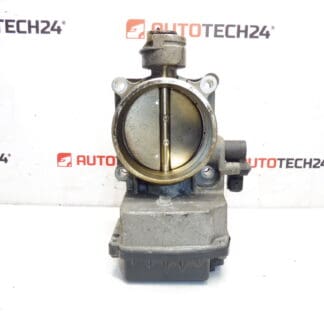
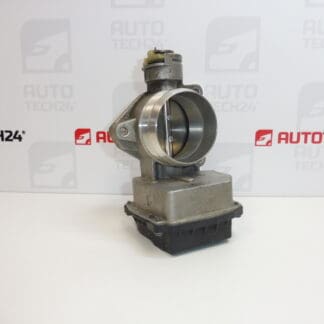
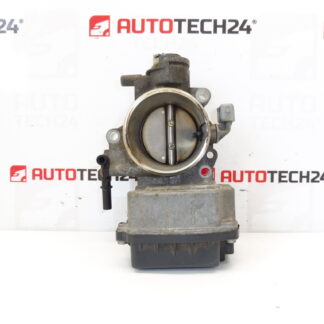
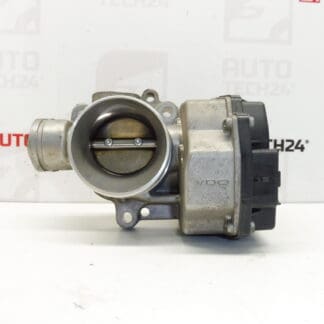
Throttle Body Housing For Intake Throttle For Citroën And Peugeot Vehicles.
High-quality replacement throttle body housing designed for Citroën and Peugeot applications. Frequently searched by product numbers 9640796280 and 1635R8, this component forms the mechanical housing for the throttle plate and mating sensors/actuator on 1.8 16V and 2.0 16V engines. The throttle body housing ensures precise airflow metering to the intake manifold, directly affecting idle stability, throttle response and overall drivability. Suitable for professional workshops and experienced DIY mechanics who need a direct-fit part for common Stellantis petrol engines.
Fitment And Applications
Typical Vehicle Applications:
- Citroën Berlingo
- Citroën C2
- Citroën C3
- Citroën C3 Pluriel
- Peugeot 206
- Peugeot 206+
- Peugeot Partner
Common Engine Types: 1.8i 16V and 2.0i 16V petrol engines (models and engine variants should be checked against the product code).
Technical Information
- Manufacturer: Stellantis
- Model: Citroën Berlingo, C2, C3, C3 Pluriel; Peugeot 206, 206+, Partner
- Product Codes: 9640796280, 1635R8
- Other Numbers: No additional cross-references provided
Function And Common Symptoms
The throttle body housing supports the throttle plate assembly and associated sensors/actuator that regulate the amount of air entering the engine. When the housing, throttle plate or associated sensors fail or become contaminated, you may observe:
- Rough or fluctuating idle
- Loss of power or poor throttle response
- Engine stalling at idle or when coming to a stop
- Hesitation during acceleration
- Check Engine Light illuminated with throttle/airflow related fault codes
Installation And Recommendations
- Disconnect the battery before starting work and follow the vehicle manufacturer’s procedure to avoid electrical damage.
- Remove the air intake hose and inlet ducting to gain access to the throttle body.
- Unplug the electrical connector(s) and any vacuum lines attached to the throttle housing.
- Unbolt the throttle body housing from the intake manifold. Keep mounting fasteners and replace the gasket/seal when fitting the new unit.
- Clean the mating surfaces on the intake manifold to ensure a proper seal and prevent air leaks.
- Fit the replacement housing, tighten bolts to the manufacturer’s torque settings and reconnect electrical and vacuum connections.
- After installation, perform throttle adaptation/relearn if required by the vehicle (follow service manual or diagnostic tool procedure) to restore correct idle and throttle response.
- Replace the intake gasket whenever the throttle body is removed to prevent vacuum leaks and ensure longevity.
Why This Part Most Commonly Fails
Failures are usually caused by a combination of contamination and wear:
- Carbon and oil deposits from the intake/EGR system build up on the throttle plate and inside the housing, restricting movement and affecting sensor signals.
- Wear or failure of the throttle position sensor or electronic actuator (on drive-by-wire systems) leading to incorrect position feedback.
- Damaged electrical connector or wiring causing intermittent signals or loss of communication with the engine control unit.
- Physical damage to the housing or plate from debris or improper handling during previous repairs.
Regular inspection and cleaning of the throttle bore during routine maintenance can extend the service life. When symptoms persist after cleaning, replacement of the housing (and associated sensors or actuator if integral) is recommended.