Description
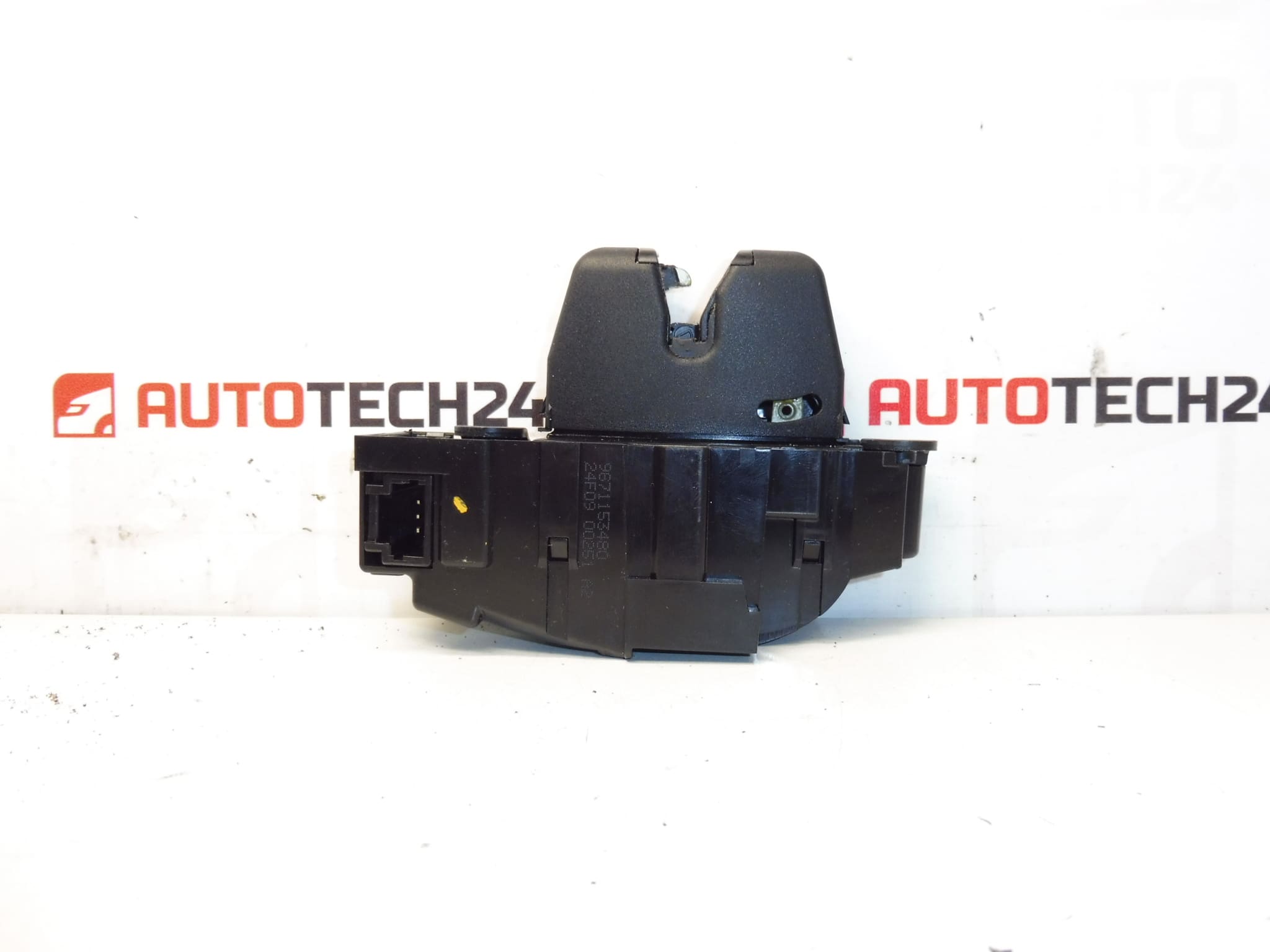
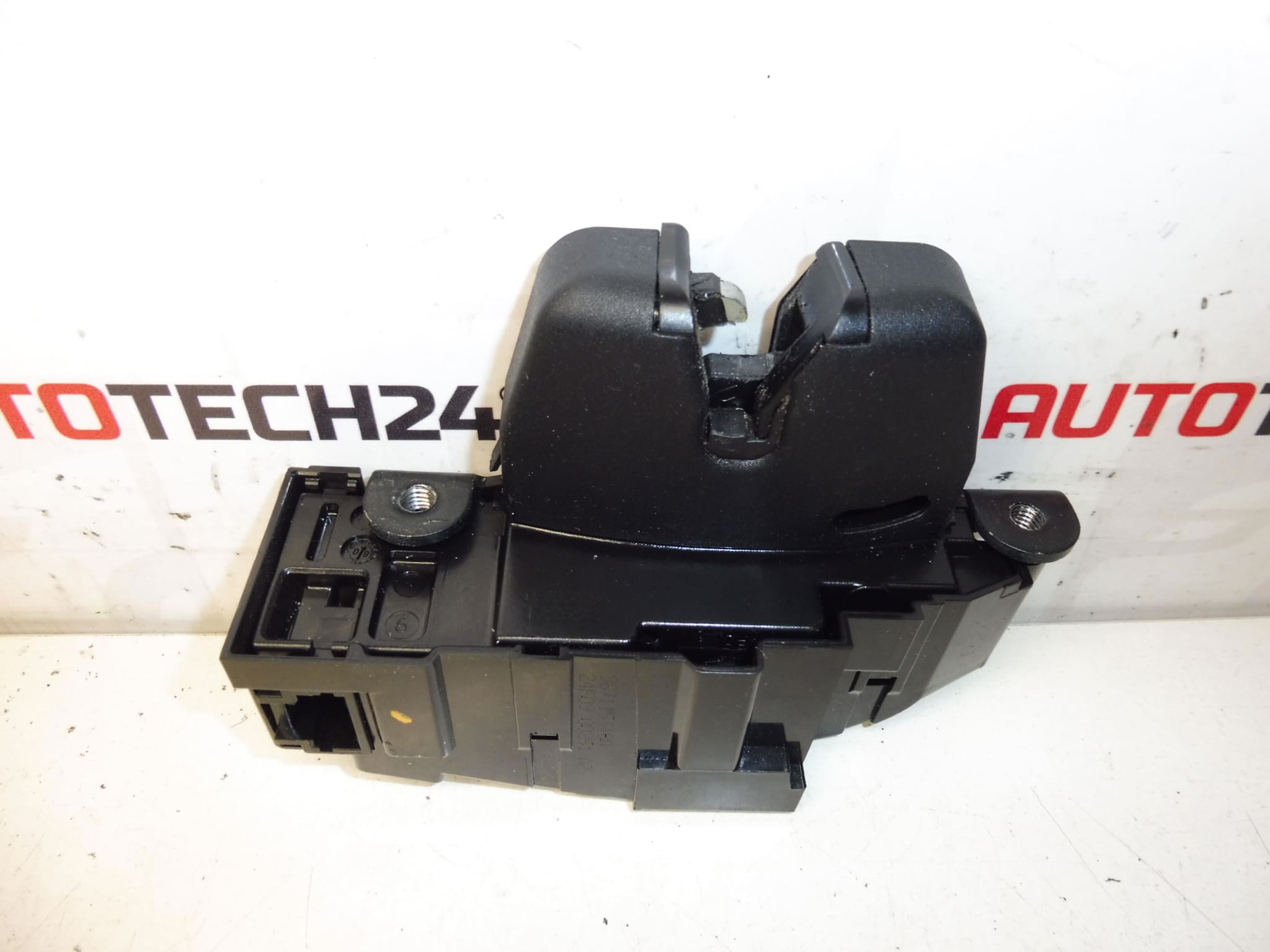
Electric rear door lock for CITROËN and PEUGEOT vehicles.
High-quality electric rear door (tailgate/boot) lock designed as a direct replacement for many Citroën and Peugeot models. This robust unit restores secure locking and reliable remote/function operation for workshop professionals and DIY mechanics. Commonly searched by product codes 9671153480 and 8719G5, the lock fits original mounting points and electrical connectors for straightforward installation.
Key Features
- Direct fit replacement for rear door/tailgate locking mechanism
- Electric actuator integrated with mechanical latch for central locking systems
- Durable construction to resist daily wear and road conditions
- Compatible with original electrical connector and mounting points on listed models
Compatibility
Suitable For Examples: Citroën C3 Picasso, Citroën C4 Picasso, Citroën C5 X7, Peugeot 207, Peugeot 308. Verify the product code when searching for exact fit (9671153480 / 8719G5).
Technical Information
- Manufacturer: Stellantis (Citroën / Peugeot)
- Model: Citroën C3 Picasso; Citroën C4 Picasso; Citroën C5 X7; Peugeot 207; Peugeot 308
- Product Codes: 9671153480; 8719G5
- Other Numbers: 9671153480; 8719G5
Installation Recommendations
Recommended for fitment by experienced mechanics or competent DIYers. General steps:
- Disconnect the vehicle battery before starting work to avoid short circuits and unintended actuator movement.
- Remove interior trim/paneling of the rear door/tailgate to access the lock assembly—retain clips and fasteners.
- Disconnect the electrical connector and any linkage rods or cables attached to the latch.
- Remove mounting bolts, replace the lock assembly, then refit bolts and reconnect linkages and the electrical connector.
- Test locking/unlocking with the remote, central locking switch, and manual operation before reassembling trim. Adjust linkage or striker alignment if necessary.
- Apply light lubricant to moving parts of the latch after installation to ensure smooth operation.
Why This Part Most Often Fails
- Mechanical Wear: Frequent use causes wear on internal gears, levers, and actuators leading to sticking or failure to latch.
- Corrosion and Water Ingress: Moisture penetration can corrode contacts and moving parts, especially in older seals or damaged doors.
- Actuator Failure: The electric motor or gearbox inside the actuator can seize or lose torque over time.
- Electrical Issues: Connector corrosion, broken wires, or intermittent power supply can prevent the lock from operating.
- Physical Damage: Impacts from accidents or forced entry can deform the latch or misalign the striker.
Order by product code (9671153480 / 8719G5) to quickly find the correct replacement for your Citroën or Peugeot. Suitable for professional repair shops and skilled DIYers looking for a reliable electric rear door lock solution.