Description
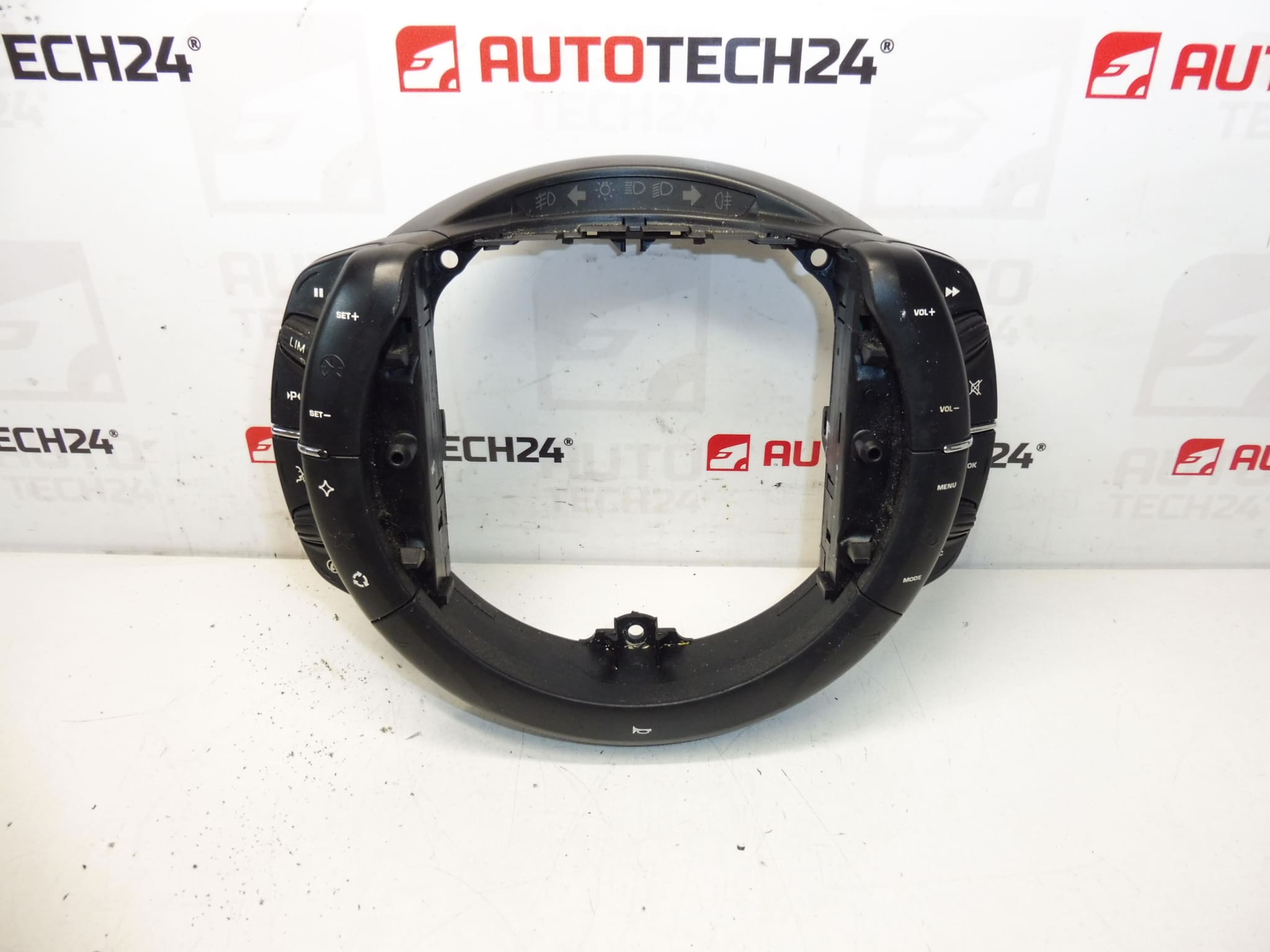
Steering Wheel Controls by VALEO for Citroën C4, C4 Picasso and Grand C4 Picasso. They Control Cruise Control, Car Radio, Onboard Computer and Horn.
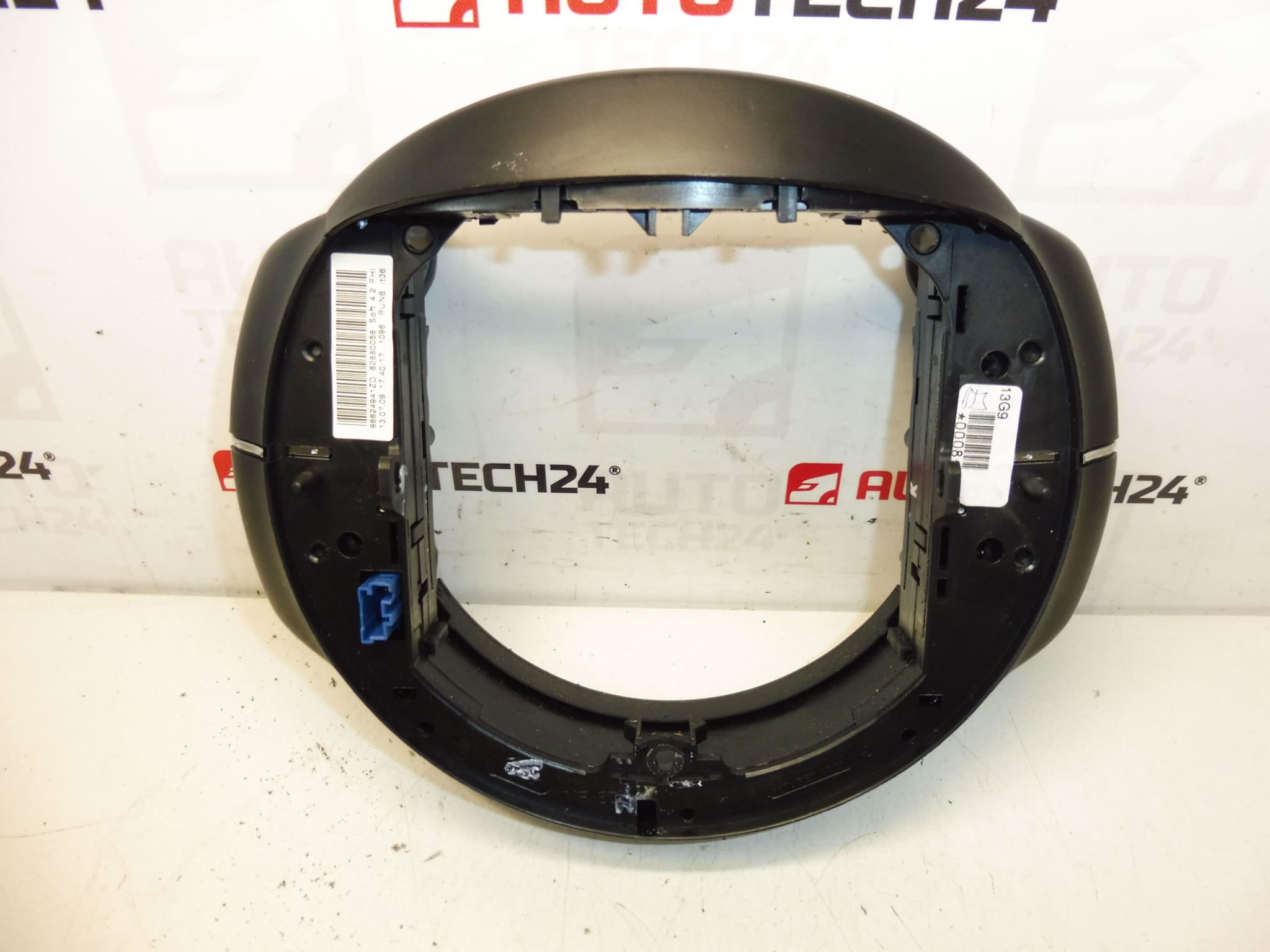
High-quality replacement steering wheel control module designed for mechanics and experienced DIYers who service Stellantis Citroën/Peugeot vehicles. This Valeo unit provides reliable control over Cruise Control, In-Car Audio, Onboard Computer functions and the Horn, restoring full steering-wheel operability. Commonly searched under product codes 96624941ZD and 6242Y9, this part is an ideal fit when original switches are worn, intermittent or physically damaged.
Technical Information
- Manufacturer: Valeo
- Model: Citroën C4 I; C4 Picasso; Grand C4 Picasso
- Product Codes: 96624941ZD, 6242Y9
- Other Numbers: NFP
Function And Features
This switch cluster integrates multiple control functions into the steering wheel area: Cruise Control activation and set/adjust commands, Radio/Media control (volume, track/station), Trip Computer/menu navigation and Horn actuation. The unit replaces the tactile switches and associated encoder circuitry that send driver inputs to the vehicle’s control modules.
Replacement Procedure
General replacement steps for experienced technicians:
- Disconnect the battery and wait an appropriate time to ensure airbag capacitors are discharged.
- Remove the driver airbag module following manufacturer procedures and secure it safely.
- Remove the steering wheel trim and unscrew the retaining screws for the switch cluster.
- Unplug the multi-pin connector(s) and remove the faulty unit. Install the new control module and reconnect harnesses.
- Reassemble steering wheel trim and refit the airbag. Reconnect the battery and verify all functions.
Always follow vehicle manufacturer instructions and torque values for steering wheel fasteners. If unsure about airbag handling or wiring, seek a qualified technician.
Why This Part Fails
Steering wheel controls are subject to constant mechanical use and are exposed to oils, dirt and humidity from driver hands. Typical failure modes include worn contact pads or micro-switches, broken ribbon/button flex cables, intermittent electrical contacts and physical damage from impacts. Heavy daily use accelerates wear, so failures commonly appear after many years or high-mileage service.
Installation Recommendations
- Always Isolate The Battery Before Starting Work To Avoid Airbag Deployment Or Electrical Damage.
- Handle The Airbag Module With Care And Store It Facing Upwards When Removed.
- Check Connectors For Corrosion And Ensure Secure, Clean Contacts When Reinstalling.
- After Installation, Verify All Steering Wheel Functions (Cruise, Audio, Trip Computer, Horn) Before Road Use.
- If Steering Angle Or Electronic Assistance Issues Appear After Reassembly, Perform Any Required Recalibration As Specified By The Manufacturer.
This steering wheel control assembly is a practical, direct-replacement option for restoring full functionality to Citroën C4 and Picasso steering controls and is frequently found by technicians searching with the above product codes.