Description
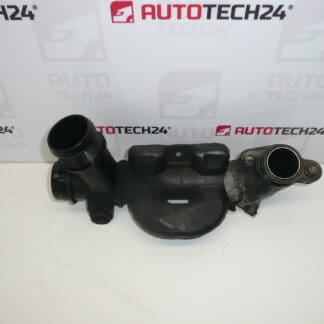
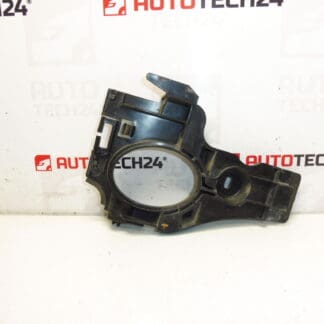
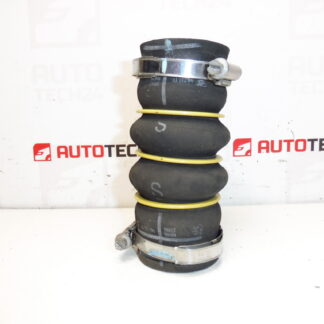
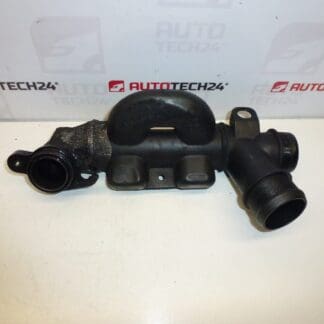
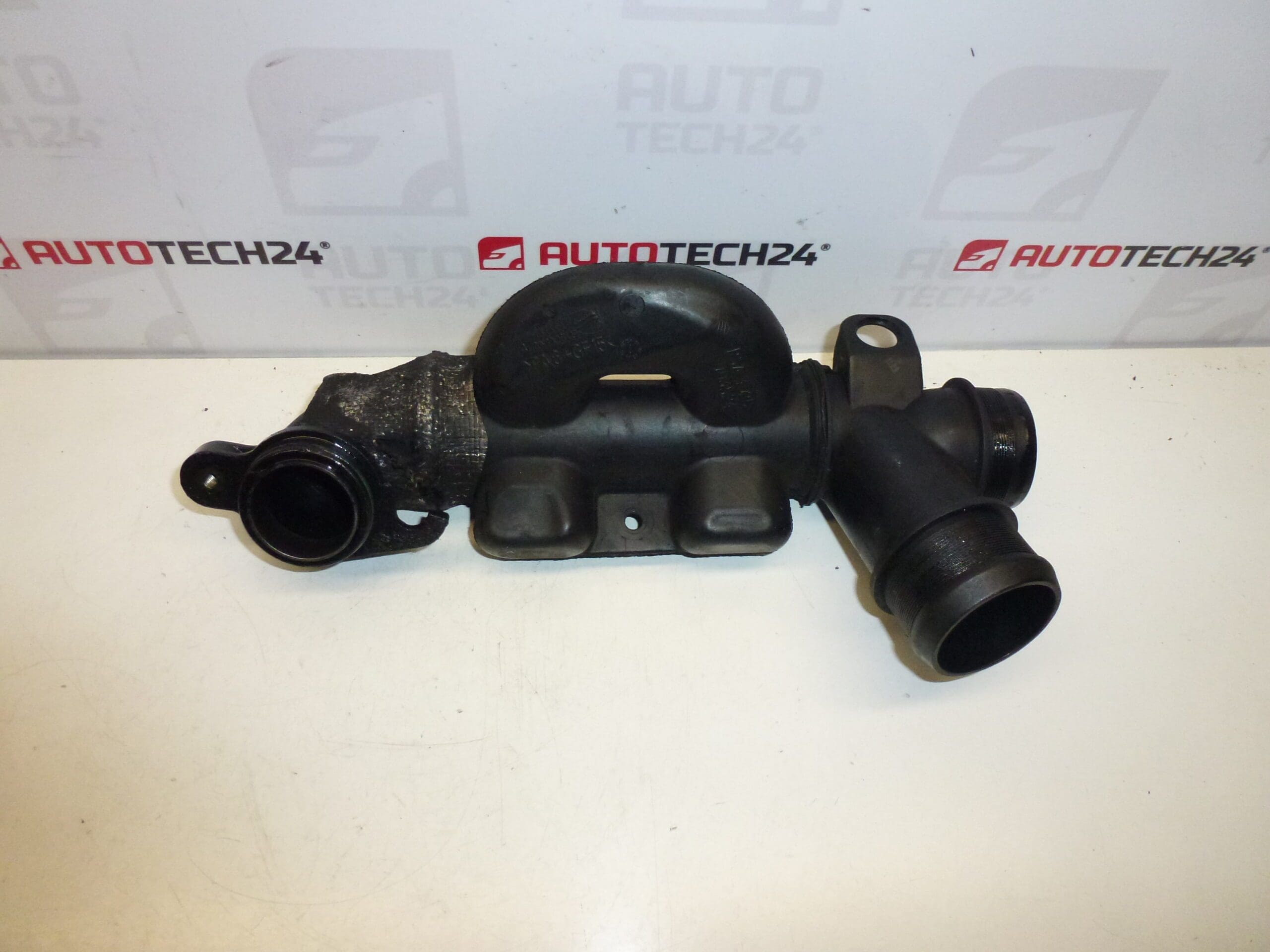
Turbo hose, intake air resonator 1.6 HDi for Citroën and Peugeot vehicles
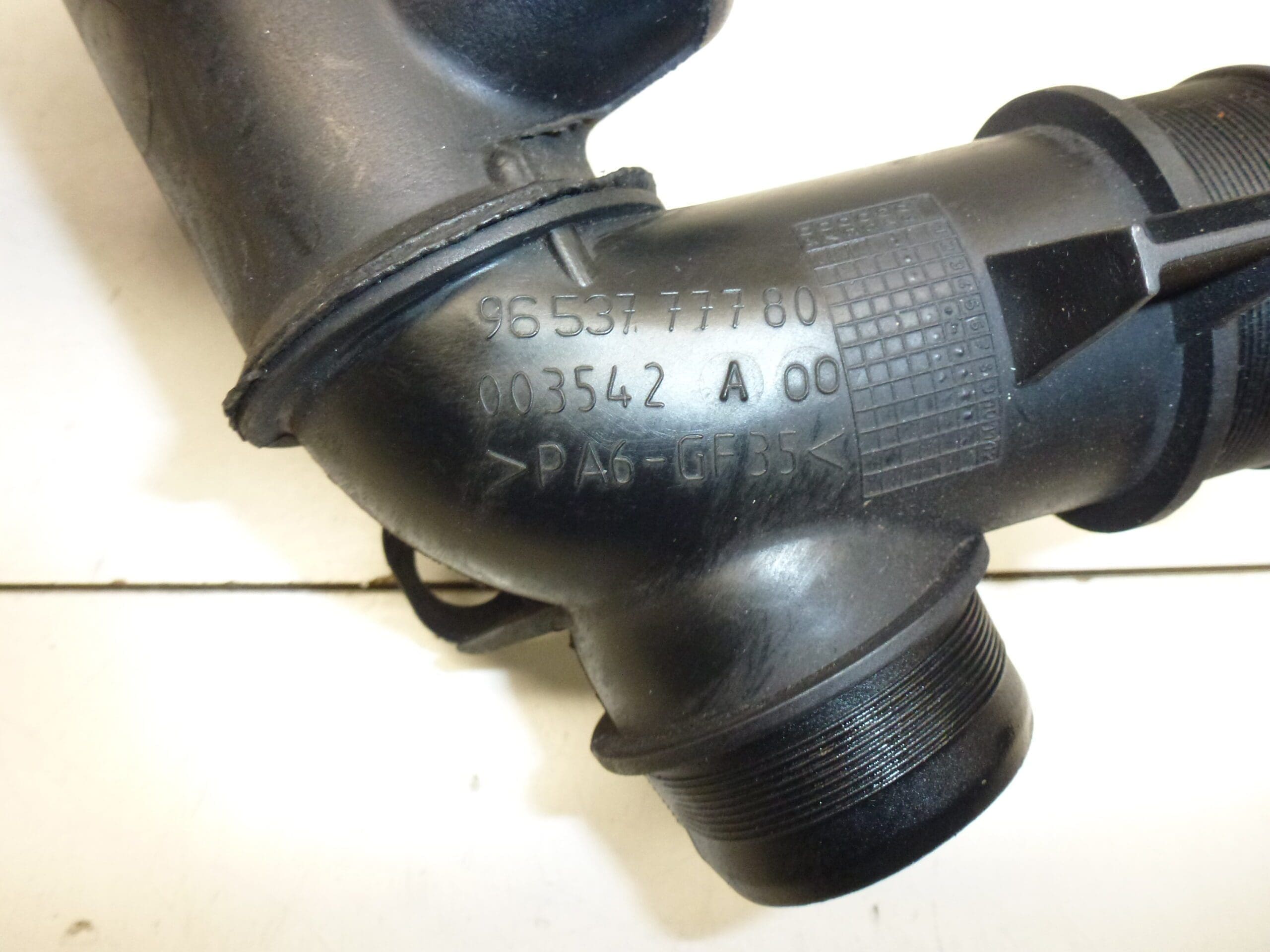
Reliable replacement intake resonator and turbo hose for 1.6 HDi diesel engines used in Citroën and Peugeot cars. This component smooths airflow between the airbox, turbocharger and intercooler, reduces intake noise and stabilizes pressure pulses to support consistent turbo response and engine drivability. Frequently searched by part numbers 9653777780 and 144057, the resonator is a common wear item on older 1.6 HDi installations and is suitable for professional workshops and experienced DIY mechanics.
Technical Information
- Manufacturer: Stellantis (Citroën / Peugeot)
- Model: Citroën C5, Peugeot 407 (1.6 HDi)
- Product Codes: 9653777780, 144057
- Other Numbers: NFP
Applications
Designed for 1.6 HDi engine variants used in Citroën and Peugeot models where this resonator/turbo hose is specified. Most commonly fitted to Citroën C5 and Peugeot 407 applications; often identified in search and ordering by part numbers 9653777780 and 144057.
Recommended Installation
- Park Vehicle On A Level Surface And Allow The Engine To Cool Completely.
- Remove Engine Cover And Any Intake Ducting Necessary To Access The Resonator.
- Loosen Hose Clamps At Both Ends And Carefully Detach The Old Hose/Resonator.
- Inspect Mating Surfaces And Pipes For Oil Residue, Cracks Or Distortion; Clean Or Replace Damaged Parts.
- Fit The New Resonator Ensuring Correct Orientation And Full Seating On The Spigots.
- Tighten Clamps Securely But Do Not Overtighten; Ensure The Hose Is Not Twisted Or Pinched.
- Start The Engine And Check For Air Leaks Under Idle And Light Load; Recheck Clamps After A Short Test Drive.
Common Failure Reasons
- Age And Heat Fatigue: Repeated Thermal Cycling Causes Rubber Or Plastic To Harden, Crack Or Collapse.
- Oil Contamination: Turbo Oil Leaks Or Blow‑By Can Soften Material And Accelerate Deterioration.
- Poor Or Loose Clamping: Movement At Connections Leads To Abrasion And Loss Of Seal.
- Physical Damage: Impact From Debris Or Incorrect Handling During Repairs.
Symptoms Of A Faulty Resonator
Typical signs include Whistling Or Hissing Noise Under Boost, Reduced Turbo Response Or Power, Unstable Idle After Cold Start And Visible Cracks Or Soft Spots On The Hose. Any Boost Leak Can Affect Fueling And Emissions, So Faulty Resonators Should Be Replaced Promptly.
Suitable For Professional Fitment And Confident DIYers. Replacing The Resonator Restores Proper Airflow Management, Reduces Intake Noise And Helps Maintain Correct Turbo Performance On 1.6 HDi Vehicles.