Description
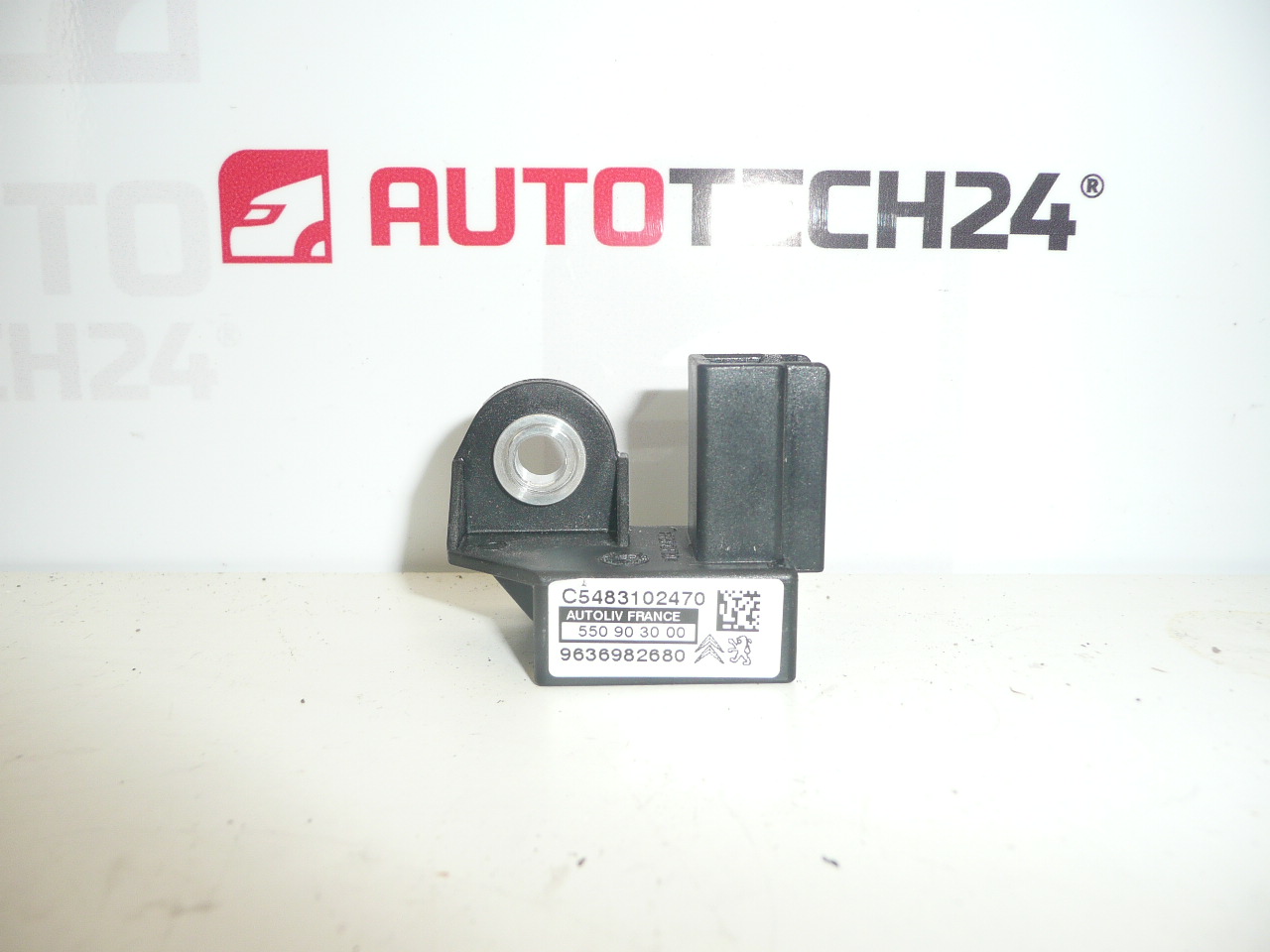
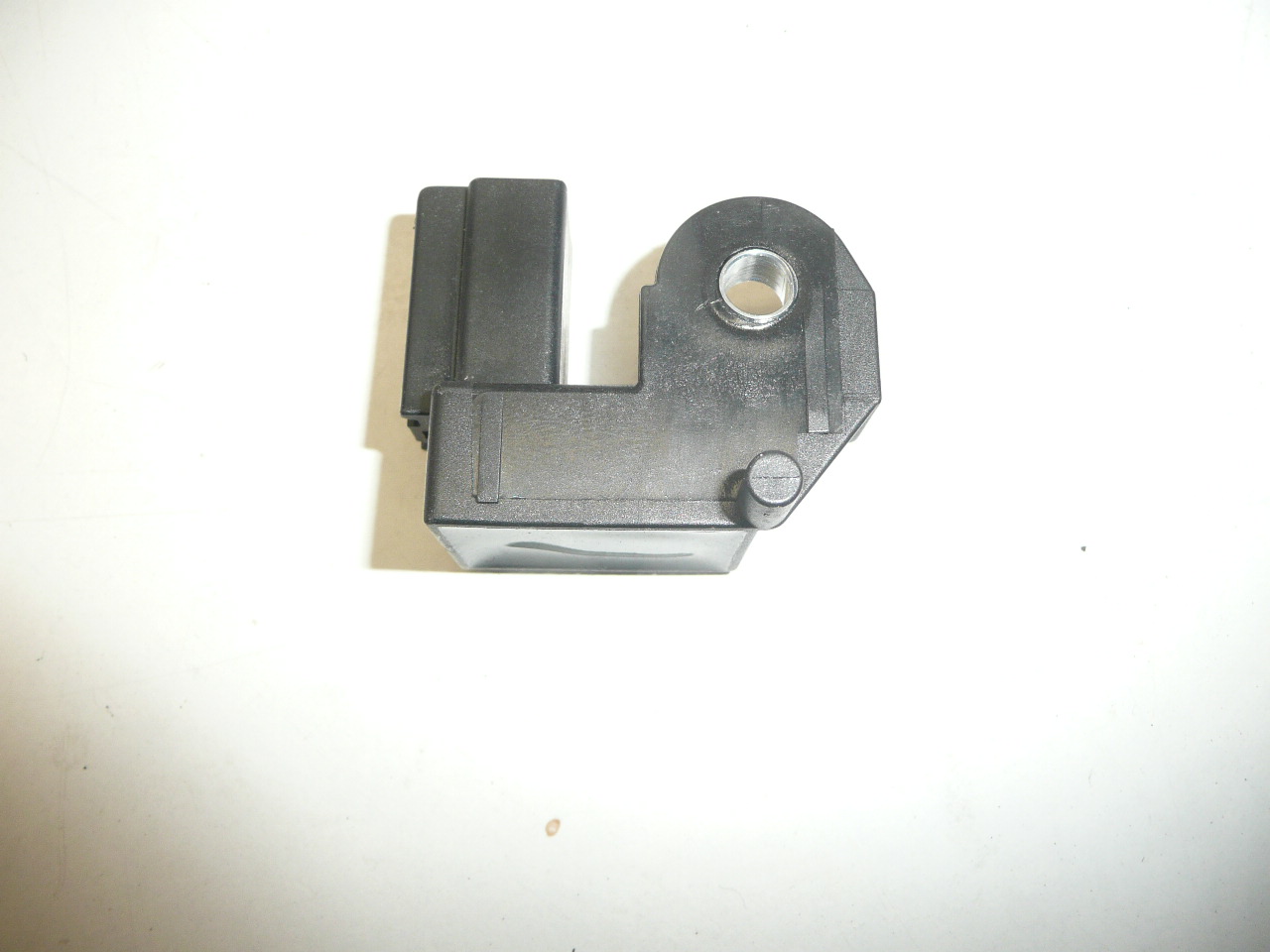
Side impact sensor (crash sensor) for Citroën and PEUGEOT vehicles.
Product Overview
This side impact (crash) sensor is designed for Citroën and Peugeot vehicles as part of the Supplemental Restraint System (SRS). It is referenced under part numbers 9636982680, 8216H3 and 550903000 NFP and is used to detect lateral impacts and send a trigger signal to the airbag control unit to deploy side airbags and activate pretensioners when required. The unit is suitable for professional workshops and experienced DIY mechanics searching by product code or vehicle model.
Technical Information
- Manufacturer: Stellantis
- Model: Citroën Berlingo; Citroën C5; Citroën Xsara; Citroën Xsara Picasso; Peugeot 206; Peugeot 407; Peugeot Partner
- Product Codes: 9636982680, 8216H3
- Other Numbers: 550903000 NFP
Function
The sensor monitors rapid lateral acceleration (side impact) and transmits an electrical signal to the airbag control module when threshold values are exceeded. This information allows the SRS to decide on deployment of side airbags and seatbelt pretensioners to protect occupants during a side collision. The unit is an integral part of the vehicle’s crash detection chain and must meet strict electrical and mechanical tolerances.
How It Is Replaced
- Prepare: Park the vehicle on a flat surface, switch off ignition and remove key.
- Safety First: Disconnect the negative battery terminal and wait at least 3 minutes or follow the manufacturer’s recommended discharge interval before touching SRS components.
- Access Sensor: Remove interior trim paneling in the B-pillar/door/seat area where the sensor is mounted (location may vary by model). Keep fasteners and clips organized.
- Disconnect: Unplug the electrical connector carefully—avoid bending or damaging the pins.
- Remove Sensor: Unscrew the retaining bolts (typically Torx or metric) and withdraw the sensor assembly.
- Install New Unit: Fit the replacement sensor in the correct orientation, torque fasteners to manufacturer specification and reconnect the connector securely.
- Verification: Reconnect the battery, use a diagnostic scanner to read and clear SRS fault codes, and confirm the airbag warning lamp extinguishes after the self-check. Reinstall trim and perform a final system check.
Installation Recommendations
- Always disconnect the battery and follow the vehicle manufacturer’s safety procedures before working on SRS components.
- Do not handle the sensor face or internal elements with bare force; avoid impacts, excessive vibration or contamination during installation.
- Use the correct torque values for mounting bolts and ensure connectors are fully engaged and locked.
- After replacement, perform a full SRS scan with a suitable diagnostic tool and clear any stored fault codes. Verify proper operation of the airbag lamp and SRS self-test.
- If the vehicle has been in a collision, inspect wiring harnesses, mounting points and neighboring sensors—replace damaged wiring or components as needed.
Why This Part Fails Most Often
The most common causes of sensor failure are direct impact or deformation from a collision, connector damage or corrosion, water ingress (especially in vehicles exposed to salted roads), and physical damage during previous repair work. Sensors seldom fail without external cause; an illuminated airbag warning lamp, stored SRS fault codes or inconsistent readings during diagnostic checks are typical indicators of a faulty crash sensor.
Signs Of Fault And Recommendations
Typical symptoms include a persistent airbag warning lamp on the instrument cluster and SRS error codes stored in the airbag control unit. If the lamp remains on after fitting a new sensor, recheck connector seating, wiring continuity and perform a full diagnostic reset. For safe installation and system coding/verification use appropriate diagnostic equipment.