Description
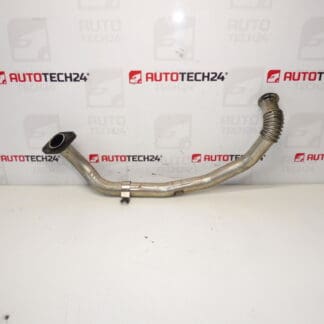
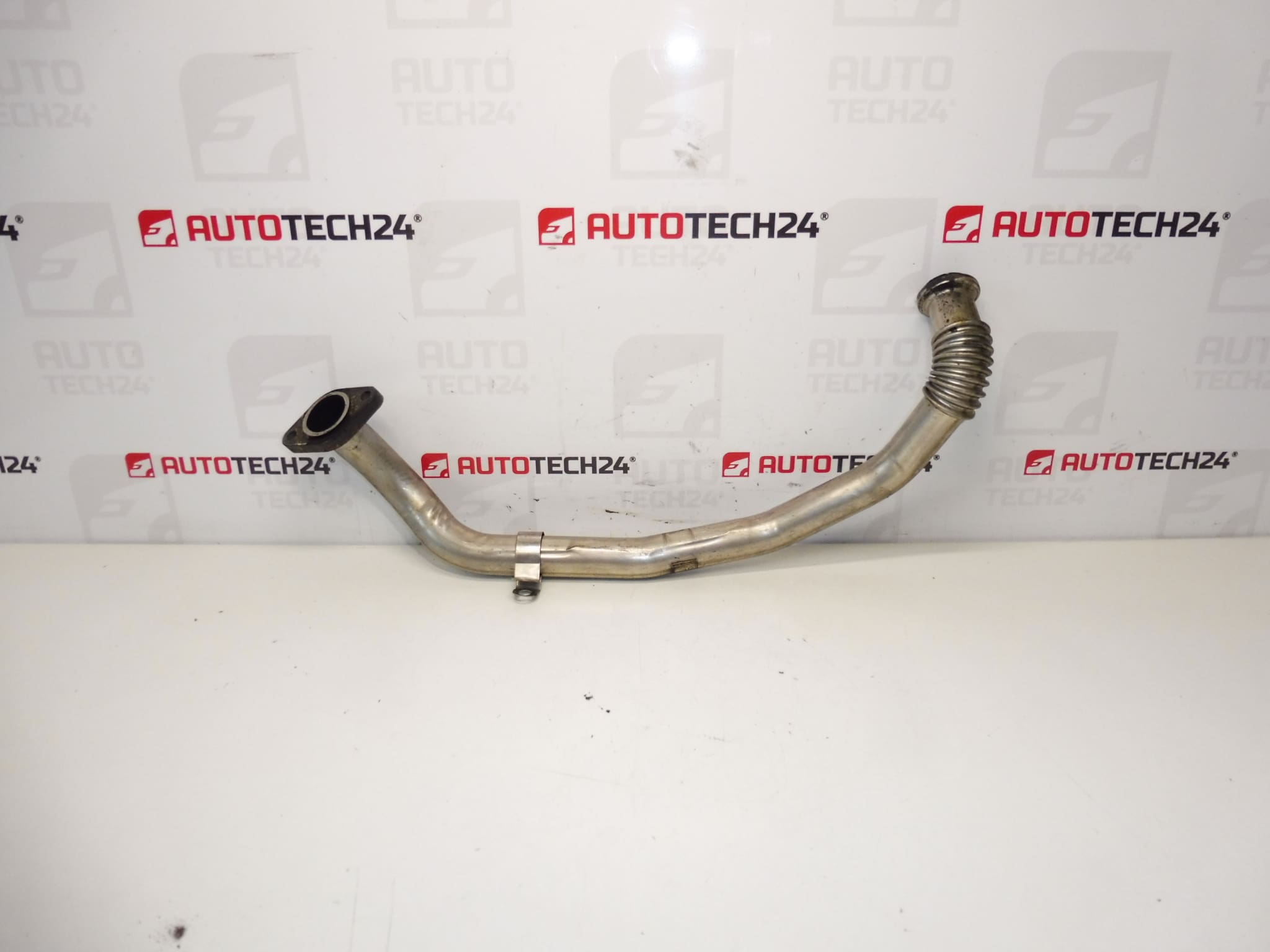
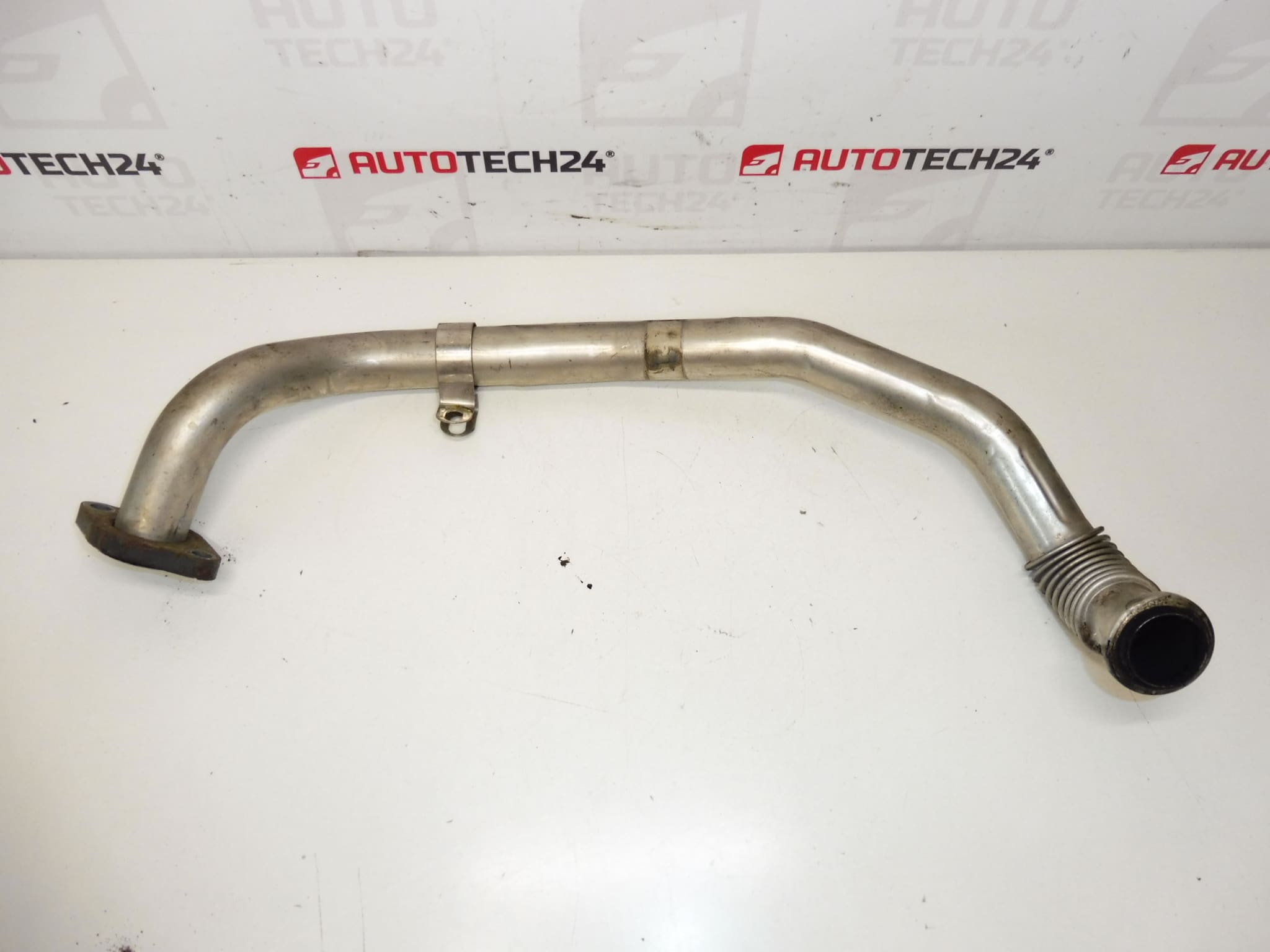
EGR exhaust gas recirculation pipe for 2.0 HDI RHR engines for Citroën and Peugeot vehicles.
Description
This EGR (Exhaust Gas Recirculation) pipe is designed to transfer exhaust gases between the EGR valve/cooler and the intake system on 2.0 HDI RHR engines found in various Citroën and Peugeot models. Correct flow and sealing of the EGR circuit is essential to reduce NOx emissions and maintain proper combustion. The pipe restores a secure connection in the EGR system and helps prevent exhaust leaks that can cause rough idling, increased emissions and check engine lights.
Technical Information
- Manufacturer: Stellantis / Citroën / Peugeot
- Model: Citroën C5, Citroën C5 X7, Citroën C8, Peugeot 307, Peugeot 407, Peugeot 807
- Product Codes: 9652264880, 161836
- Other Numbers: Engine Code RHR, 2.0 HDI
Fitment & Compatibility
Compatible with vehicles equipped with the 2.0 HDI RHR diesel engine as listed above. Always compare product codes (9652264880 / 161836) with the part being replaced to confirm fitment.
Installation Recommendations
Allow the engine to cool before starting work. Typical replacement steps include removing adjacent intake components to gain access, disconnecting any clamps or brackets securing the EGR pipe, removing the pipe and replacing gaskets or seals, then installing the new pipe and tightening fasteners to the manufacturer’s torque specifications. Inspect and, if necessary, clean the EGR valve and cooler when replacing the pipe. Use new sealing rings/clamps to ensure a leak-free installation. If in doubt, have the replacement performed by a qualified technician.
Why The Part Most Commonly Fails
EGR pipes are exposed to high temperatures and soot-laden exhaust gases. Over time they can become clogged with carbon deposits, develop cracks from thermal fatigue, or leak at connection points due to worn gaskets or corroded clamps. Blockages increase backpressure and can accelerate wear elsewhere in the EGR system, making inspection and timely replacement important.
Additional Notes
When ordering or searching, include the product codes 9652264880 or 161836 and the engine code RHR for faster lookup. Regular inspection of the EGR circuit during scheduled maintenance helps prevent secondary faults such as turbocharger contamination or EGR valve failure.