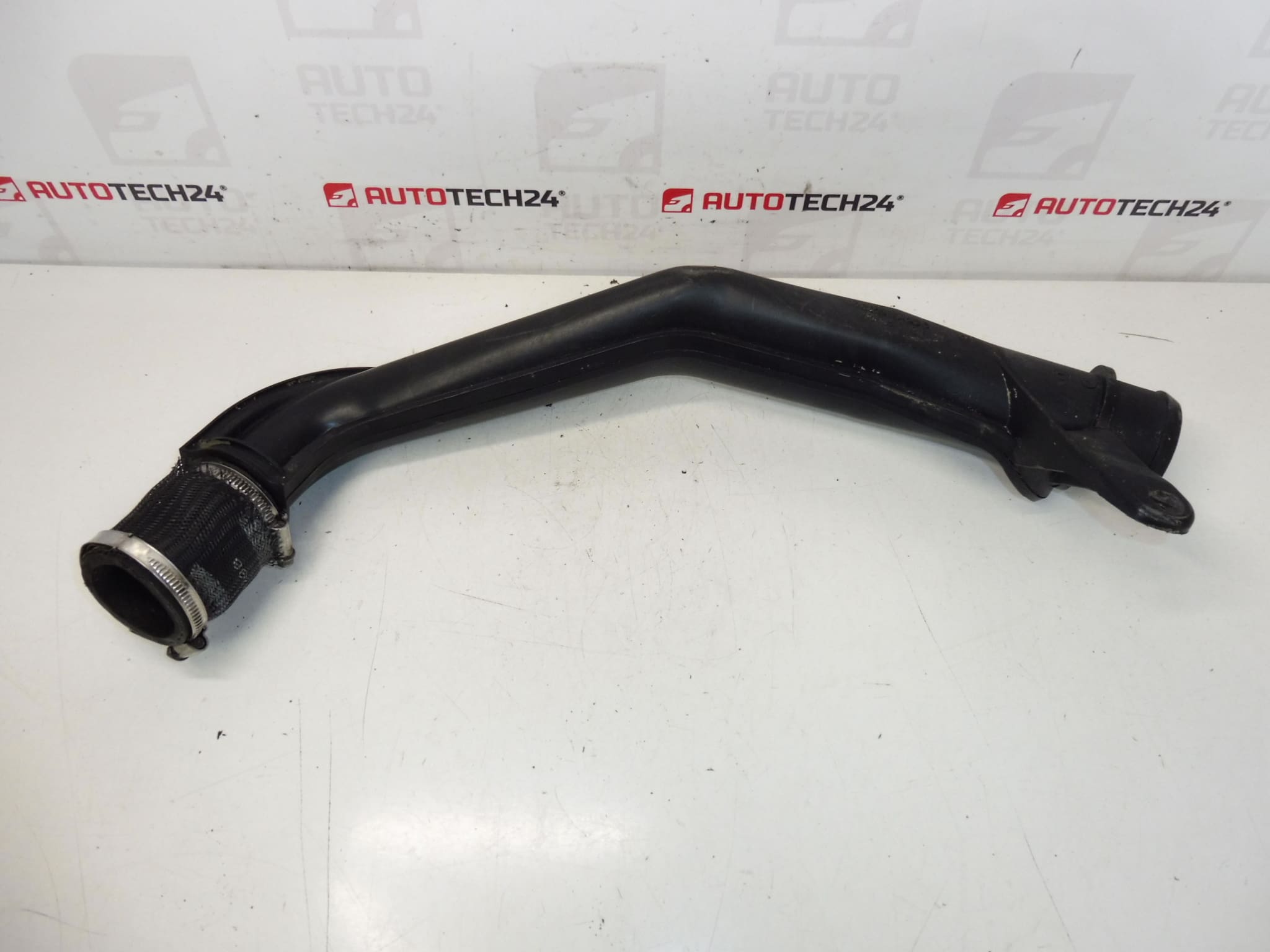
Description
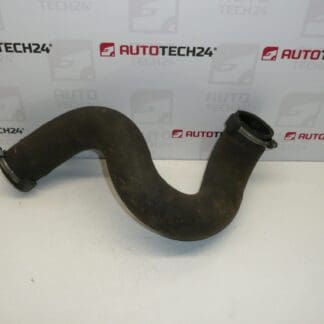
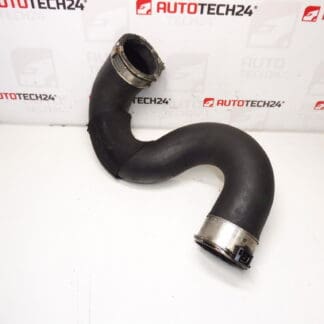
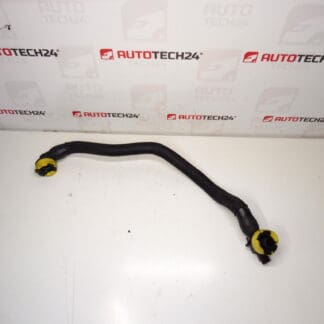
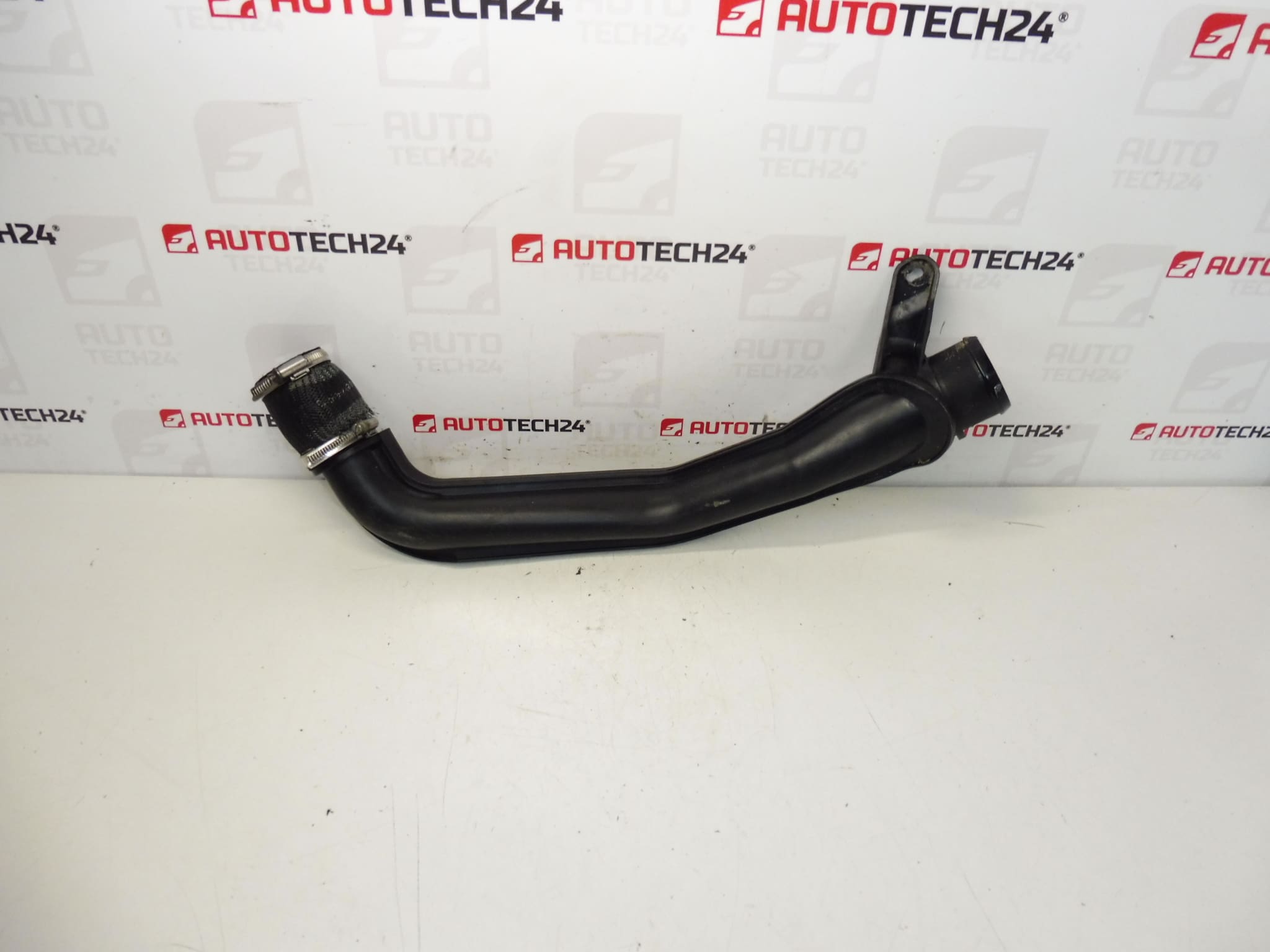
Air inlet connection at the turbocharger for 2.0 HDI engines of Citroën and Peugeot vehicles.
This turbocharger air inlet pipe is designed for 2.0 HDi diesel engines used in selected Citroën and Peugeot models. Built to guide pressurised air from the intake system to the turbocharger, this part ensures stable boost delivery and helps maintain engine responsiveness. Ideal for professional garages and skilled DIY mechanics, the pipe is commonly sought by its part numbers 1487510080 and 0382P7 when searching for a direct-fit replacement.
Applications And Fitment
Fits 2.0 HDi engines, commonly found in:
- Citroën C8 (2.0 HDi)
- Peugeot 807 (2.0 HDi)
Always confirm engine type (2.0 HDi) and part number before ordering to ensure correct fit.
Technical Information
- Manufacturer: Stellantis (Citroën / Peugeot)
- Model: Citroën C8; Peugeot 807 (2.0 HDi)
- Product Codes: 1487510080, 0382P7
- Additional Numbers: 2.0 HDi Intake Turbo Inlet Pipe
Function And Symptoms Of A Faulty Pipe
The inlet pipe feeds ambient or boosted air into the turbocharger housing. When intact, it maintains required boost pressure and prevents intake leaks. A damaged or leaking inlet pipe typically causes loss of boost, reduced engine power, increased turbo lag, irregular idling and may trigger fault codes related to boost control. Visible signs include cracks, oil contamination inside the pipe, torn rubber sections or loose/clamped joints.
Why These Parts Fail
Common causes of failure are age-related material degradation, heat cycling from the turbocharger, oil contamination from turbo seals, mechanical damage during service, and corrosion or loosening of clamps. Repeated exposure to high temperatures and pressure pulsations accelerates wear, especially on rubber or composite sections and connection points.
Replacement Interval
There is no fixed lifetime for an inlet pipe; many last well beyond 150,000 km, while others can fail earlier due to operating conditions (frequent short trips, oil leaks, contaminated intake). Inspect the pipe whenever turbo, intercooler or intake work is performed and replace at first sign of visible damage or persistent boost loss.
How To Replace (Overview)
- Allow the engine to cool. Depressurise the intake system by removing the airbox inlet or loosening clamps while the engine is off.
- Loosen clamps and remove any mounting brackets or sensors attached to the pipe.
- Carefully detach the pipe from the turbocharger and intercooler/intake manifold; take care not to damage mating surfaces.
- Inspect adjacent components (intercooler, hoses, clamps, turbocharger inlet) for oil leaks or damage and replace seals or clamps as needed.
- Fit the new pipe, ensuring proper seating, correct orientation and secure clamping. Use new clamps if the originals are corroded or stretched.
- Start the engine and check for boost leaks and correct operation under load.
Installation Recommendations
- Work on a cold engine and keep the intake clean to prevent debris entering the turbo.
- Replace worn clamps and any associated seals or gaskets to ensure an airtight connection.
- Inspect turbocharger inlet and intercooler for oil contamination; address underlying turbo oil leaks before installing the new pipe to avoid repeat failure.
- After installation, perform a boost leak test and a road test to confirm restoration of normal performance.
Most Common Causes Of Failure
- Heat and age-related cracking of rubber/composite sections.
- Oil contamination from failing turbo seals causing softening or blockage.
- Mechanical damage during previous repairs or from loose clamps.
- Corroded or weakened clamps leading to leaks at connection points.
Why Buy This Part
Choosing the correct turbo inlet pipe by OE product code (1487510080 / 0382P7) ensures a reliable direct-fit replacement that restores boost integrity and engine performance. For workshops and competent home mechanics, replacing a worn or damaged inlet pipe is a cost-effective measure to remove boost-related drivability issues and protect the turbocharger from further damage caused by air leaks or contaminated intake air.