Description
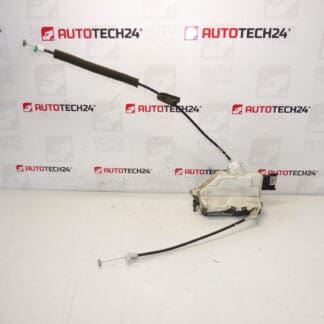
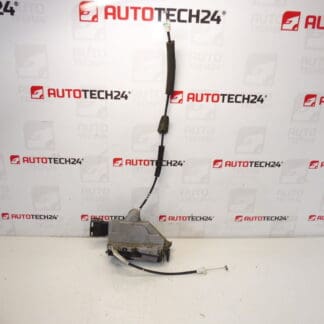
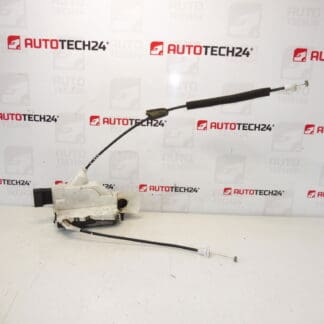
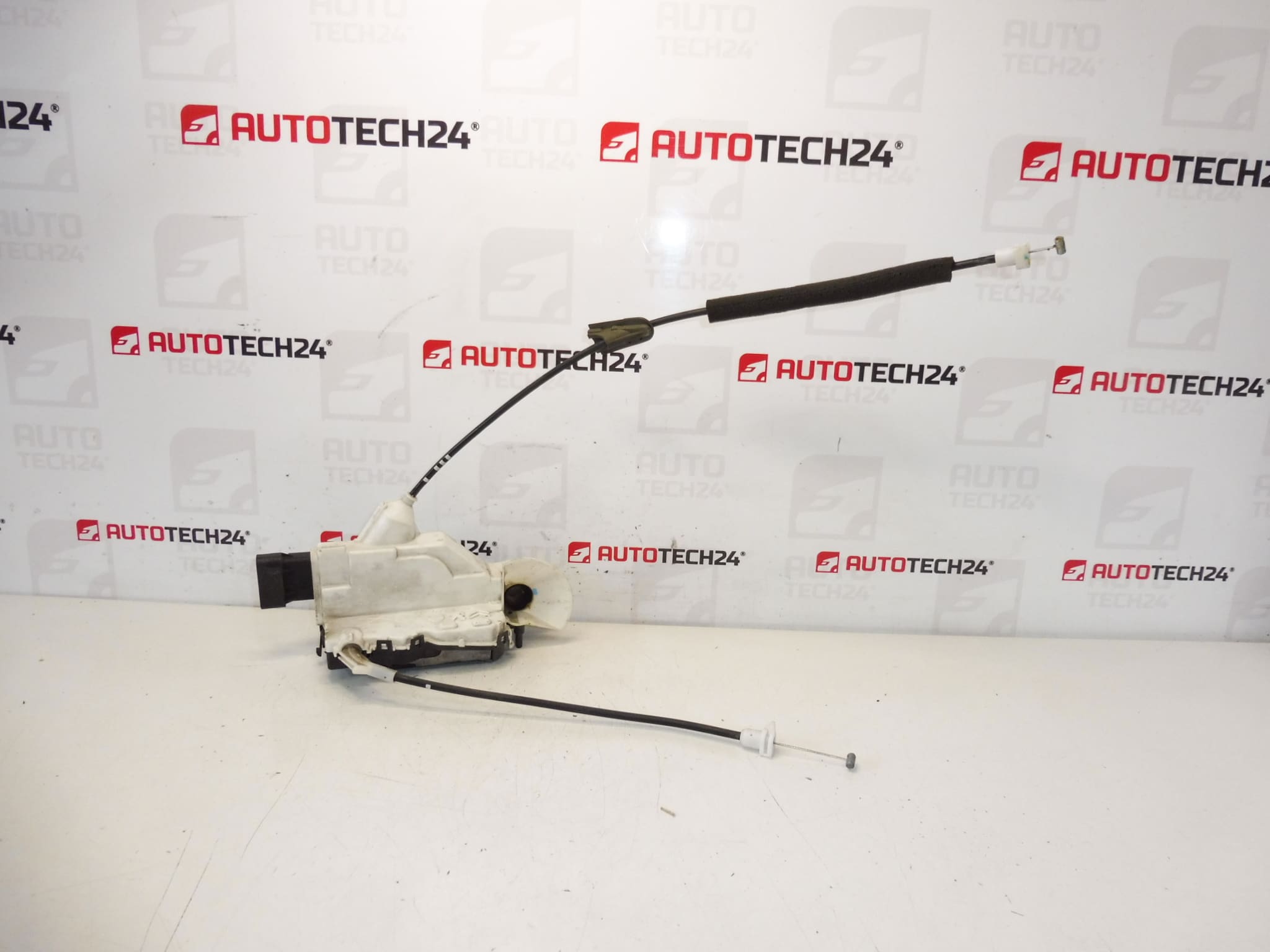
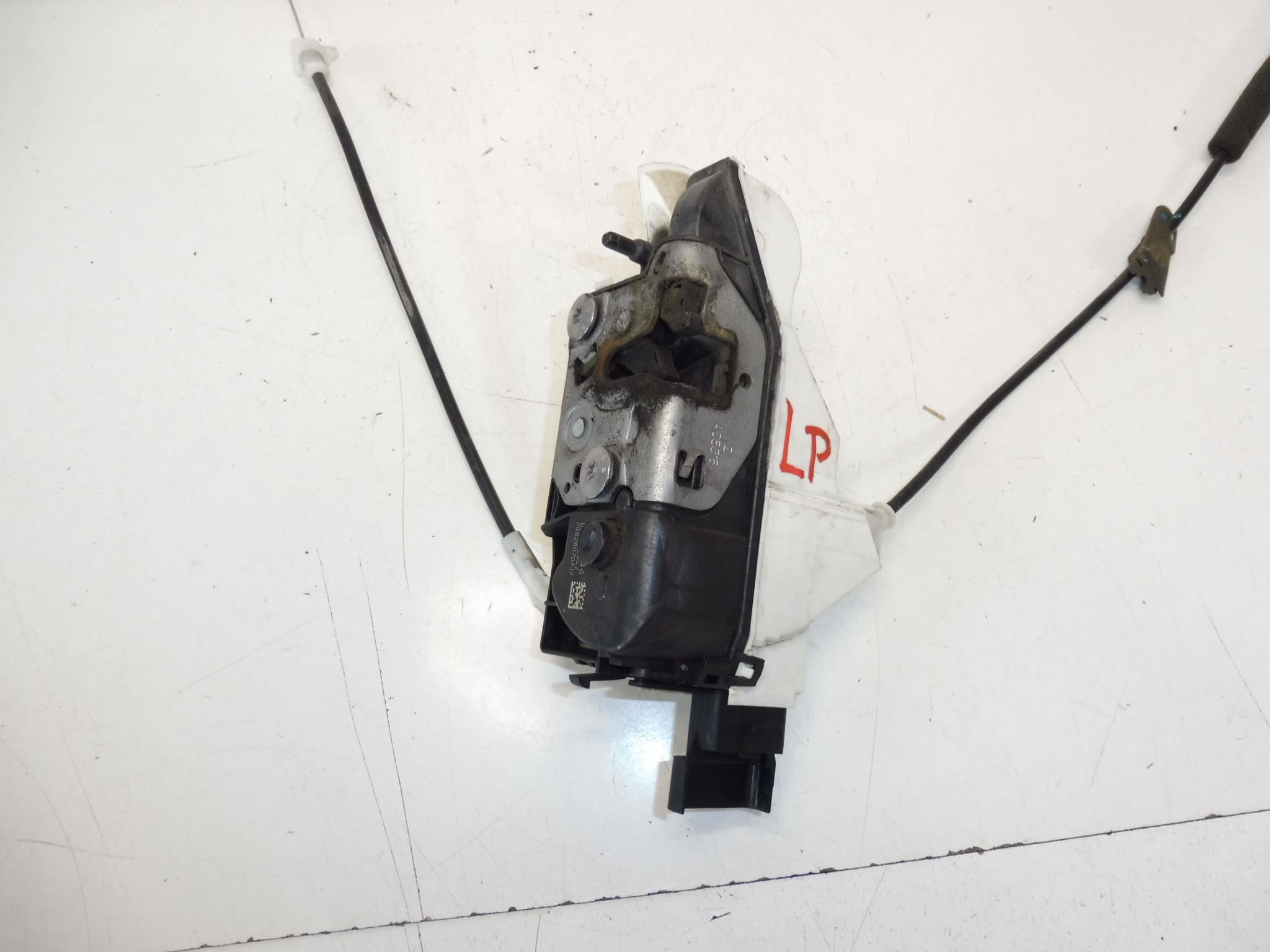
Left front door lock for Citroën C3 II A51 cars
Side – driver’s door
Part description
The used driver’s door lock is intended for the Citroën C3 II A51 car. It is an important electrical component of the door mechanism, which ensures the correct function of locking and unlocking the driver’s door. Parts of this type are often also searched by serial number, which is why we include the designation 9800624480.
The door lock is suitable as a spare part in the event of a failure of the original mechanism, when the door cannot be reliably locked, unlocked or properly closed. For auto mechanics and DIYers, the possibility to replace a non-functioning original part with a corresponding used part without unnecessary modifications is an advantage.
Technical information
- Manufacturer: Stellantis Citroën Peugeot
- Model: Citroën C3 II A51
- Other numbers: 9800624480
Product codes
- Product codes: 9800624480
- Model names: Citroën C3 II
Installation recommendations
Generally/typically for changing a door lock of this type, the exact procedure may vary depending on the specific design of the car and the door mechanism.
1) Before assembly
- Inspect the used lock for visual signs of cracking, deformation or damage to the connector.
- Compare the new and original part by shape, fit, tie rod position, connector and product number.
- Check the condition of the mechanical parts of the door, especially the pulls, handles, latches and wiring.
2) Necessary tools and materials
- Set of common hand tools
- Screwdrivers and bits for panel removal
- Plastic pry bar for dismantling fillings
- Detergent for removing dirt
- Or a mild lubricant for moving parts, if appropriate for the mechanism in question
3) Step-by-step assembly procedure
- Switch off the ignition and secure the vehicle against unwanted movement.
- Dismantle the inner lining of the door so as not to damage the handles and cover elements.
- Carefully access the door mechanism compartment and disconnect the electrical connector of the original lock.
- Release the rods or control elements connected to the lock, depending on the design of the particular design.
- Unscrew the fasteners and remove the original lock from the door.
- Compare the dismantled part with the spare part, especially the attachment, orientation and design of the connector.
- Clean the mating surfaces and check the mounting area for dirt or damaged parts.
- Put the replacement lock in place and seat it properly.
- Attach the lock with fasteners and plug in the electrical connector.
- Reattach the rods and controls so that they move freely without binding.
- Even before installing the lining, test the basic function of the mechanism manually and by controlling the central locking, if it is part of the system.
- After verifying the function, refit the door trim and all the removed caps.
-
4) Post-assembly checks and function verification
- Check that the door opens and closes properly.
- Verify the locking and unlocking function from both control modes, if present in the vehicle.
- Check that the mechanism is not jamming and making non-standard sounds.
- After installation, check that the door trim is tight and not loose.
5) The most common assembly mistakes + how to avoid them
- Part exchange – always compare part number and design before assembly.
- Damage to the connector or wiring – disconnect and connect the connector carefully without force.
- Incorrect positioning of the pull rods – after connecting, verify their free operation and correct connection to the mechanism.
- Premature installation of the trim – first always test the function of the lock before folding the door completely.
- Overlooking the mechanical resistance in the door – if the lock moves stiffly, check the related parts of the mechanism as well.
Reasons why the part is damaged
- Wearing of the internal lock mechanism during long-term use
- Moisture leaking into the door and subsequent corrosion or impaired operation
- Defect in the electrical installation or overloading of the control part of the lock
- Mechanical stress when the door is slammed or forcefully opened
- Damage to connecting rods, handles or latches that transmit excessive force to the lock