Description
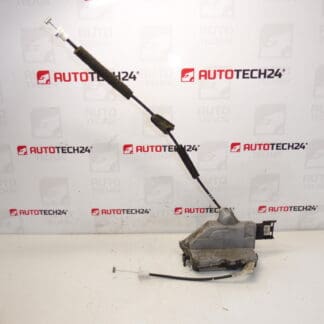
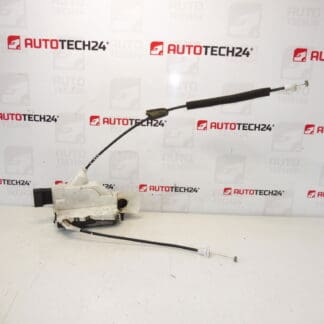
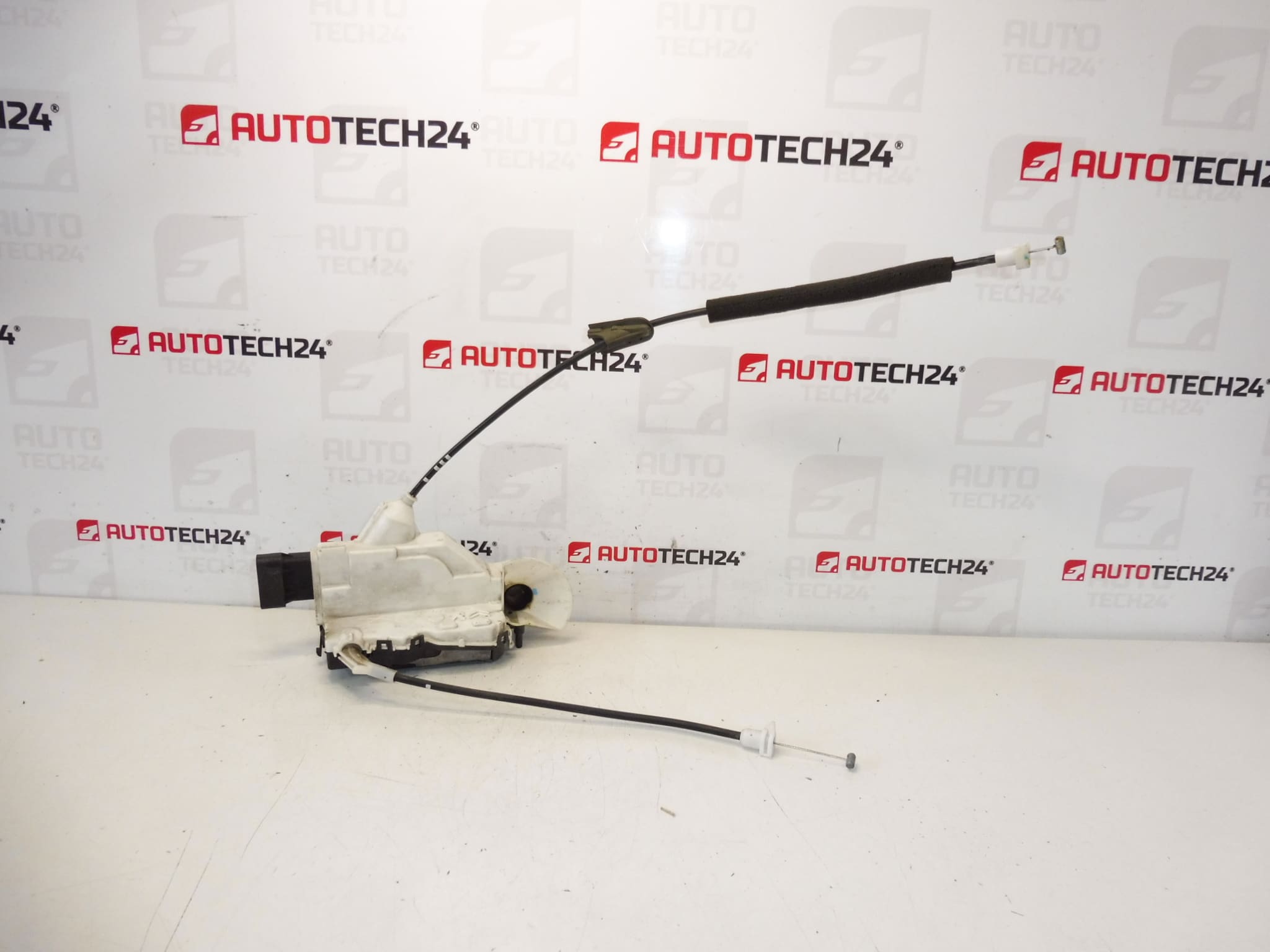
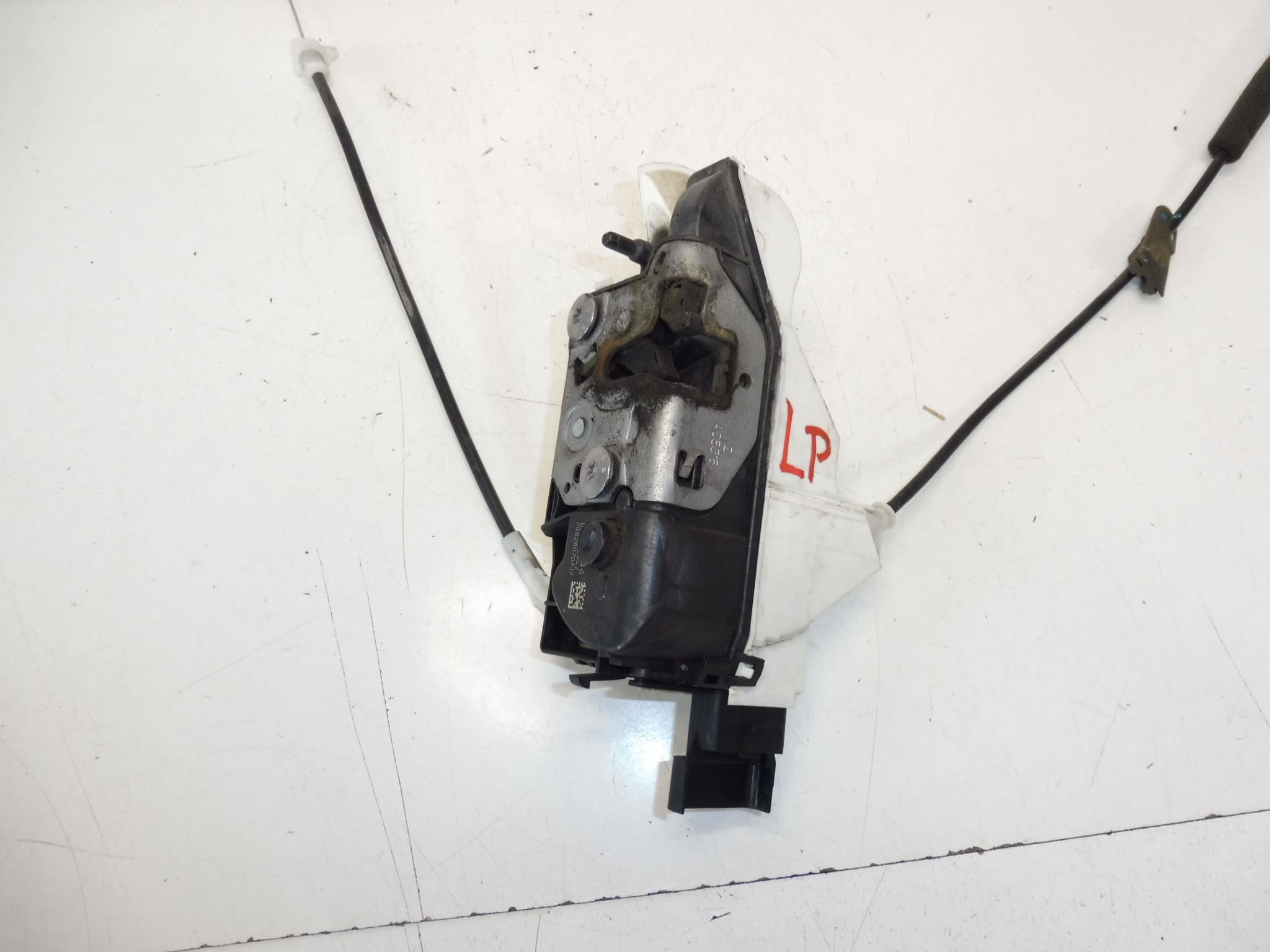
Lock for left front door for Citroën C3 II A51. Side – Driver’s door.
High-quality left front door lock designed for Citroën C3 II (A51) vehicles. This electrical door lock assembly (OEM number 9800624480) replaces the worn or damaged driver-side latch and actuator, restoring reliable central locking, secure latching and correct door status sensing. Built to meet factory fitment dimensions, it is suitable for professional workshops and experienced DIY mechanics who need a direct replacement part that integrates with the vehicle’s existing door linkages and wiring harness.
The unit is responsible for locking and releasing the door, operating the latch mechanism and feeding the door-ajar/lock position signal to the vehicle electronics. Typical benefits of replacing a faulty lock include quieter operation, improved security, restored central locking function and elimination of intermittent door-open warnings. The part is commonly searched by its product code 9800624480, so include that number when ordering or searching online.
How It Works
This assembly combines the latch mechanism, an electric actuator (central locking motor) and one or more microswitches for status feedback. When the central locking is activated or the interior handle is pulled, the actuator moves internal gears and rods to release or secure the door striker. Faults can produce symptoms such as inability to lock/unlock from the remote, noisy operation, stuck latch or false door-open indications.
Replacement Procedure (Overview)
- Disconnect the vehicle battery before starting work to avoid short circuits and protect airbags and electronics.
- Remove the interior door trim and any vapor barriers carefully, keeping fasteners and clips organized.
- Disconnect the electrical connector(s) to the lock, and detach linkage rods from the latch and handles (note their orientation for reassembly).
- Unbolt the old lock from the door shell and withdraw it through the access opening.
- Install the new lock, secure bolts to the correct torque, reconnect linkages and electrical connectors, and re-fit the door trim.
- Test locking/unlocking, interior/exterior handles and central locking operation. Adjust rod lengths or latch position if necessary to ensure smooth operation and correct striker engagement.
Technical Information
- Manufacturer: Stellantis / Citroën
- Model: Citroën C3 II (A51) — Left Front / Driver’s Door
- Product Codes: 9800624480
- Additional Numbers: Not available
Installation Recommendations
- Always disconnect the battery before removal and installation to avoid electrical damage and false airbag deployment.
- Handle the electrical connector and wiring harness carefully; check connectors for corrosion and clean contacts if needed.
- Lubricate latch moving parts and the striker with a suitable long-lasting grease for quieter operation and to reduce wear.
- Check door alignment and striker position after fitting; incorrect alignment increases load on the lock and shortens service life.
- If central locking functions remain inconsistent after fitting, inspect the vehicle’s fuses and control wiring for voltage drops or intermittent connections.
Why This Part Commonly Fails
Door locks on vehicles like the Citroën C3 II typically fail due to mechanical wear, corrosion from moisture and road salt, and degradation of internal plastic gears or motor brushes. Water ingress into the door shell, repeated heavy use, and impact or misaligned doors accelerate failure. Electrical contact deterioration or broken linkage rods can cause symptoms that mimic a faulty lock, so a thorough inspection before replacement is recommended.
Who Should Fit This Part
Recommended for professional auto technicians and competent DIYers familiar with door disassembly and vehicle electrical systems. If you are unsure about door alignment, electrical diagnosis or connector repair, seek assistance from a workshop with appropriate tools.
Part search tip: Use the OEM number 9800624480 and vehicle designation Citroën C3 II (A51) when looking up compatibility or ordering the part to ensure accurate match.