Description
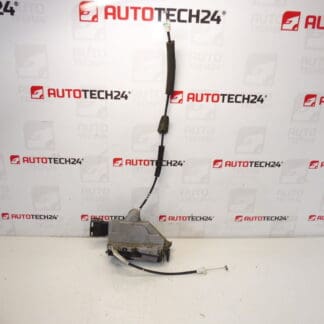
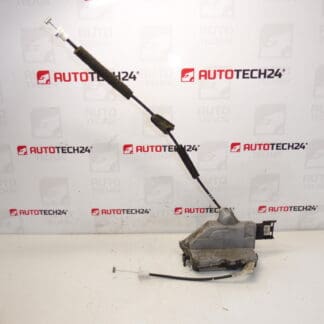
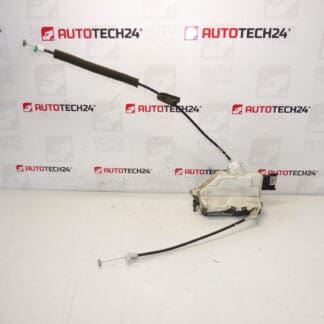
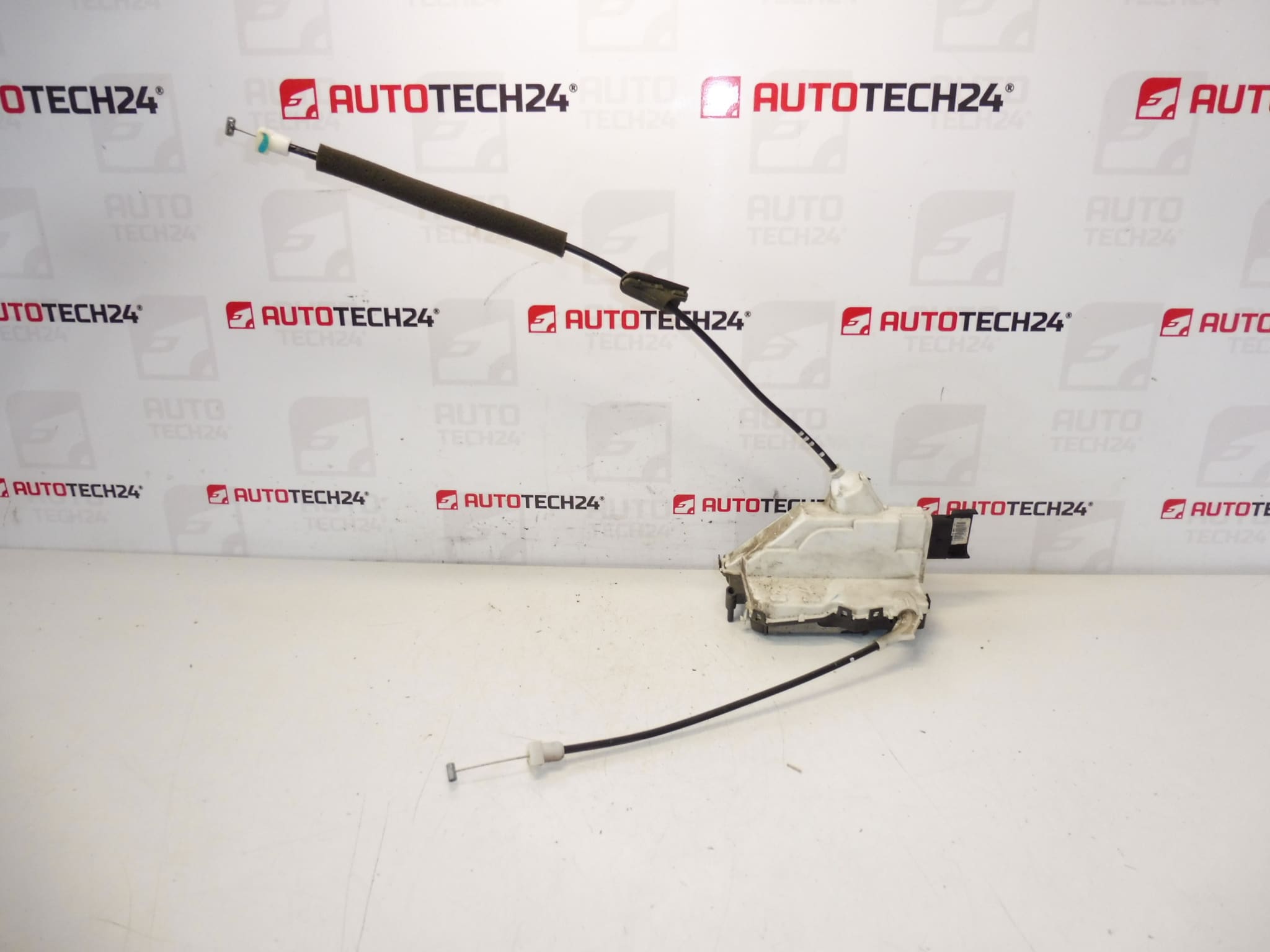
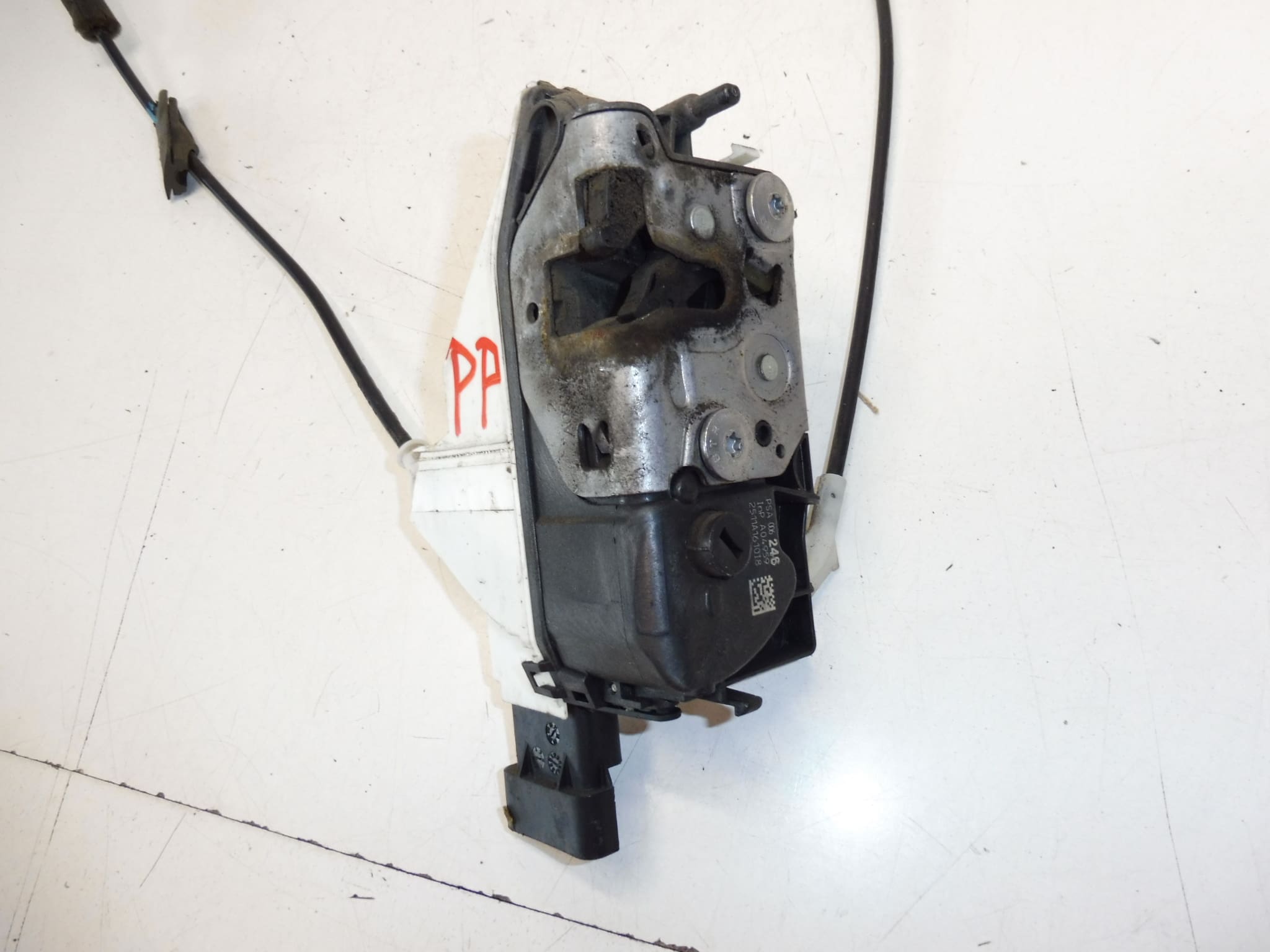
Right front door lock for Citroën C3 II A51 cars
Side – front passenger door
Part description
The used passenger door lock is intended for Citroën C3 II A51. It is an important electrical component of the locking mechanism, which ensures the correct function of closing and unlocking the right front door. Parts of this type are often also searched by serial number, which is why the designation 9800624680 is important here.
If you are looking for a replacement part to repair your central locking or mechanical door closer, this lock can be a suitable solution to replace a worn or non-functioning original piece. For auto mechanics and home repairs, it is crucial to compare the design of the connectors, attachment and overall processing with the existing part in the car.
Technical information
- Manufacturer: Stellantis Citroën Peugeot
- Model: Citroën C3 II A51
- Other numbers: 9800624680
Product codes
- Product codes: 9800624680
- Models: Citroën C3 II
Installation recommendations
Generally/typically for door lock replacement, the exact procedure may vary depending on the specific design of the car and the door. Below is a practical general procedure for this type of part.
1) Before assembly
- Check that the new and original lock match in shape, fit, orientation and design of the electrical connector.
- Compare the locations of pull rods, latches and mounting points.
- Check the condition of the used part visually – whether there is a cracked packaging, damaged connector or deformed parts of the mechanism.
- It is also advisable to check the condition of the related parts of the door, especially the pulls, wiring and fasteners.
2) Necessary tools and materials
- Set of common hand tools
- Screwdrivers and bits corresponding to the joints used
- Plastic levers for panel removal
- Cleaning agent for mechanical parts
- Cloth or towels
- Or fine lubricant suitable for moving mechanisms
3) Step-by-step assembly procedure
- Secure the vehicle against movement and turn off the electrical system according to normal service practice.
- Dismantle the inner lining of the relevant door so as not to damage the upholstery or handles.
- Carefully access the area of the lock and associated pulls or cable lines.
- Disconnect the electrical connector from the original lock and check its condition.
- Unfasten the lock and disconnect the mechanical parts that are connected to the lock.
- Remove the original part and compare it with the spare part before the assembly itself.
- In case of dirt, clean the assembly area and the associated mechanisms.
- Place the replacement lock in place in the corresponding position.
- Connect the mechanical elements and then the electrical connector.
- Check for free movement of the mechanism without violence and without crossing the rods or wiring.
- Firmly fasten the lock in the mounting position.
- Check the basic locking and unlocking function before fully assembling the trim.
- After a successful inspection, refit all covers, foils and door trim.
-
4) Post-assembly checks and test drive/function verification
- Verify the correct closing and opening of the door from outside and inside.
- Check the reaction of the lock when locking and unlocking.
- Make sure the door fits properly and the mechanism does not make unusual noises.
- After reassembly, retry all functions to ensure the problem is not caused by trim or misrouted wiring.
5) The most common assembly mistakes + how to avoid them
- Swapping right and left sides – always compare the orientation of the part before assembly.
- Incorrect connection or insufficient snap of the connector – after connecting, lightly check its seating.
- Door trim damage during disassembly – use suitable plastic pry bars and proceed with care.
- Poor routing of rods or wiring – before final assembly, check that nothing is obstructing the movement of the mechanism.
- Assembly without a preliminary functional test – always test the function of the lock first before fully folding the door.
Reasons why the part is damaged
- Normal wear and tear from frequent use of the door and locking mechanism.
- Moisture and dirt that get into the mechanism and impair its operation.
- Malfunction of electrical part or connector contacts.
- Mechanical stress during sudden door closing or prolonged use of a damaged mechanism.
- Corrosion and fouling which can cause the lock to stall or not work at all.