Description
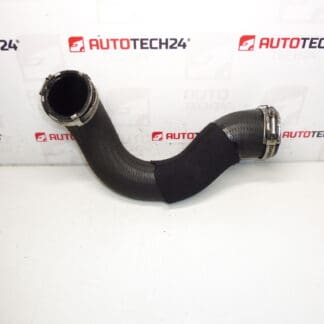
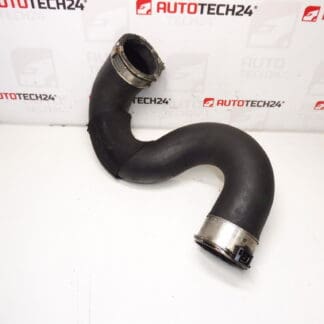
Breather pipe for oil vapours for Citroën and Peugeot 2.0 HDi RHR engines
Oil vapour connection
This oil vapour breather pipe is designed for the 2.0 HDi RHR diesel engines used in many Citroën and Peugeot models. It routes crankcase vapours from the valve cover/oil separator to the intake system, ensuring correct ventilation of the crankcase, reducing oil contamination of the intake, and helping to maintain turbocharger and EGR performance. The part number 1192WH is often used to identify this specific connection piece across Stellantis spare-part listings and aftermarket catalogs.
Key Advantages
– Direct replacement for the original breather connection on 2.0 HDi RHR engines.
– Helps prevent oil leaks into the intake and reduces soot build-up in the turbo and EGR system.
– Construction suitable for oil vapour exposure and engine bay temperatures; compatible with standard clamps and fittings.
Compatibility
Common applications include (but are not limited to): Citroën C4, Citroën C4 Picasso, Citroën C5 (including X7 generation), Citroën C8, Peugeot 307, Peugeot 407, Peugeot 807. Fits 2.0 HDi engines with RHR engine code. Always verify fitment visually when replacing the part.
Technical Information
- Manufacturer: Stellantis / Citroën / Peugeot
- Model: 2.0 HDi (Engine Code RHR)
- Product Codes: 1192WH
- Other Numbers: Engine Code RHR (reference)
Installation Recommendations
Recommended for professional fitment by automechanics or experienced DIYers. Typical replacement procedure:
- Allow the engine to cool. Relieve any intake pressure and remove the engine cover if necessary to access the valve cover and intake connection.
- Locate the breather pipe between the valve cover/oil separator and the intake manifold/turbo inlet.
- Remove clamps or quick-connect fittings. Inspect the mating surfaces, oil separator/PCV valve and adjacent hoses for contamination or damage.
- Install the new breather pipe, ensuring correct orientation and secure clamping. Replace any worn clamps or seals.
- Start the engine and check for vacuum leaks, oil seepage or unusual noises. Recheck clamps after a short test drive.
Most Common Reasons for Failure
- Ageing and material fatigue causing cracks or splits in the hose/tube.
- Oil sludge and carbon build-up that block passages and increase internal pressure.
- Failed or blocked oil separator/PCV valve increasing crankcase pressure and stressing the breather connection.
- Improper installation or loose clamps causing vacuum leaks and oil leaks into the intake.
Practical Tips
Inspect the entire crankcase ventilation path when replacing this pipe: worn PCV valves, clogged oil separators or brittle hoses are common secondary causes of repeat failures. Replace associated clamps and check the turbo inlet for oil contamination if symptoms include smoke on start-up or loss of turbo performance. Regular inspection during routine servicing will extend the life of the system and prevent related EGR/turbo issues.