Description
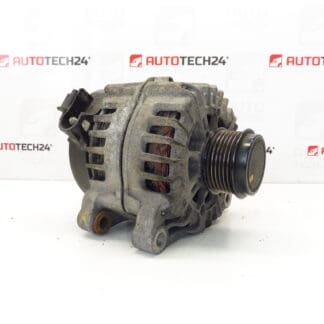
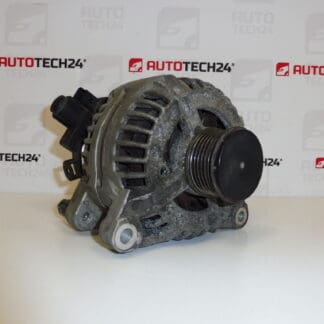
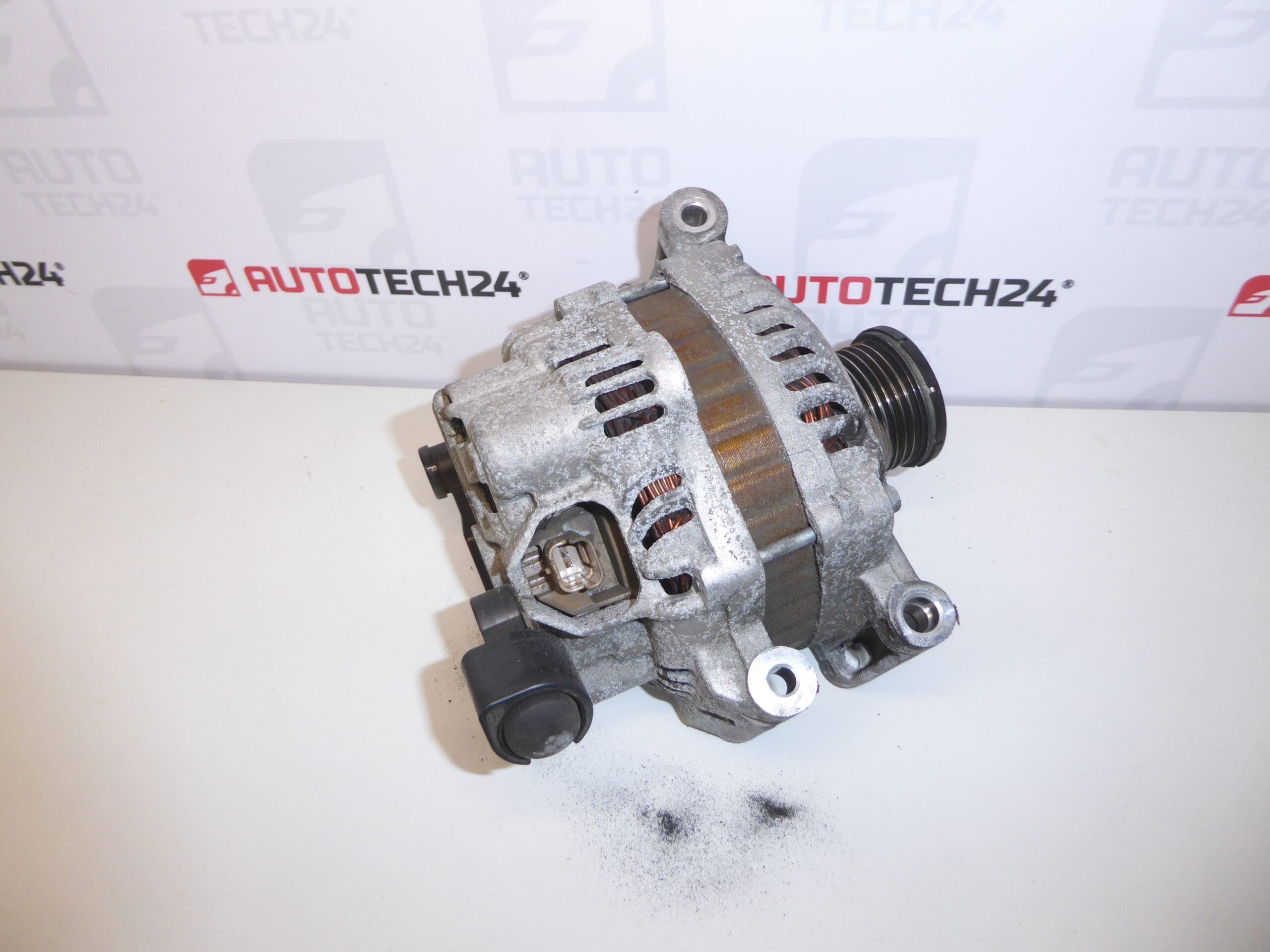
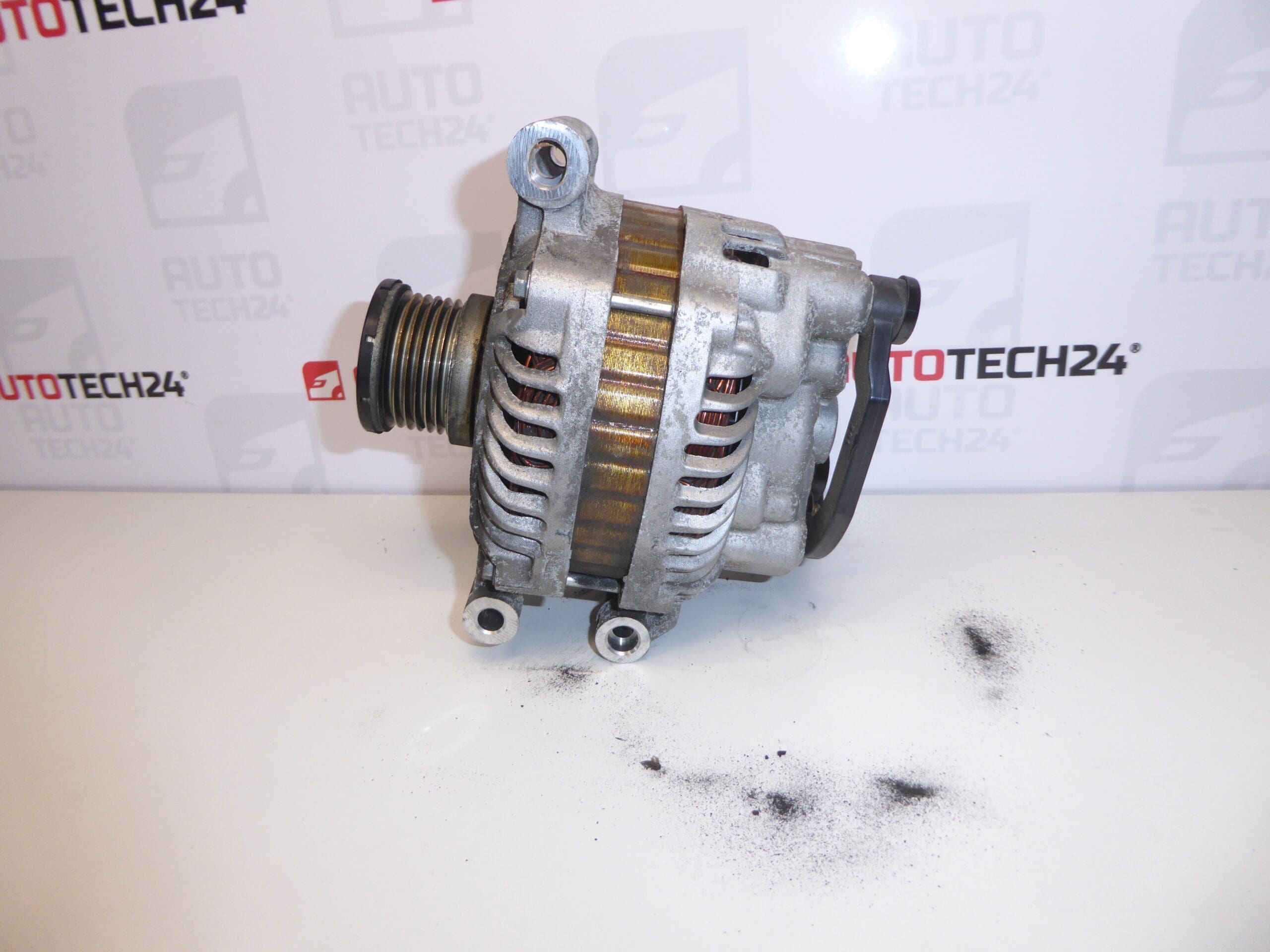
Mitsubishi CL12 alternator for Peugeot and Citroën vehicles with 1.4 VTI and 1.6 VTI engines. Removed from a vehicle with 74,000 km.
Overview
High-quality Mitsubishi CL12 alternator compatible with a range of Citroën and Peugeot petrol engines (1.4 VTI / 1.6 VTI). This unit is ideal for professional workshops and experienced DIYers who need a direct-fit replacement to restore proper charging performance. The alternator supplies the battery and vehicle electrical system, ensuring reliable start-up and stable voltage for lights, electronics, and engine management.
Key Benefits
- Direct fit for many PSA models using the CL12 unit — saves time during replacement.
- Compatible with factory electrical connectors and mounting points.
- Supports typical vehicle charging requirements and on-board electronics.
- Often searched by product codes — easy to find in parts catalogs.
Technical Information
- Manufacturer: Mitsubishi
- Model: CL12
- Product Codes: V757692180, A003TG5281ZE, 5705KG
- Other Numbers: 1638095080, 9819187680, 5702J0
- Compatible Engines: 1.4 VTI, 1.6 VTI
- Condition Note: Removed from vehicle with 74,000 km
Compatible Models (Typical)
Commonly fitted to a range of Citroën and Peugeot models using the listed engines and product codes, including but not limited to:
- Citroën C3
- Citroën C3 Picasso
- Citroën C4 II
- Citroën C4 Picasso
- Peugeot 207
- Peugeot 301
- Peugeot 308
Installation Recommendations
Designed for fitment by professional mechanics or experienced DIY enthusiasts. Follow these general steps and safety precautions:
- Always disconnect the negative battery terminal before starting work.
- Release or remove the drive belt (serpentine) tensioner and remove the belt from the alternator pulley.
- Disconnect the electrical connectors and the main battery/charging cable on the alternator.
- Unbolt the alternator mounting fasteners and remove the unit from the bracket.
- Install the replacement alternator in reverse order, ensuring correct alignment and torque of mounting bolts.
- Refit the drive belt and set the correct belt tension. Check belts and tensioner for wear and replace if necessary.
- After installation, verify charging system voltage (typical charging range ~13.8–14.6 V) and check for any warning lights or fault codes.
Most Common Cause Of Failure
Understanding why alternators fail helps prevent repeat breakdowns. Typical failure modes include:
- Bearing wear leading to noise and eventual seizure (often caused by mileage or contamination).
- Worn brushes or voltage regulator faults causing poor or intermittent charging.
- Diode or rectifier failure resulting in alternator malfunction or battery discharge.
- Overheating due to poor ventilation, oil contamination, or excessive electrical load.
- Loose or worn drive belt and tensioner causing slippage and reduced output.
Practical Tips
- Always inspect the battery condition and charging cables when replacing an alternator—weak batteries can mask alternator performance.
- Replace worn belts, pulleys, and tensioners at the same time to avoid rapid re-failure.
- Use the product codes listed above when searching catalogs or ordering to ensure correct fitment.
Notes For Professionals
Mechanics will appreciate that this unit is a common-fit alternator for PSA petrol engines equipped with the CL12 designation. If diagnosing charging faults, check diodes, regulator, wiring, and belt/drive conditions as part of a complete charging-system inspection.