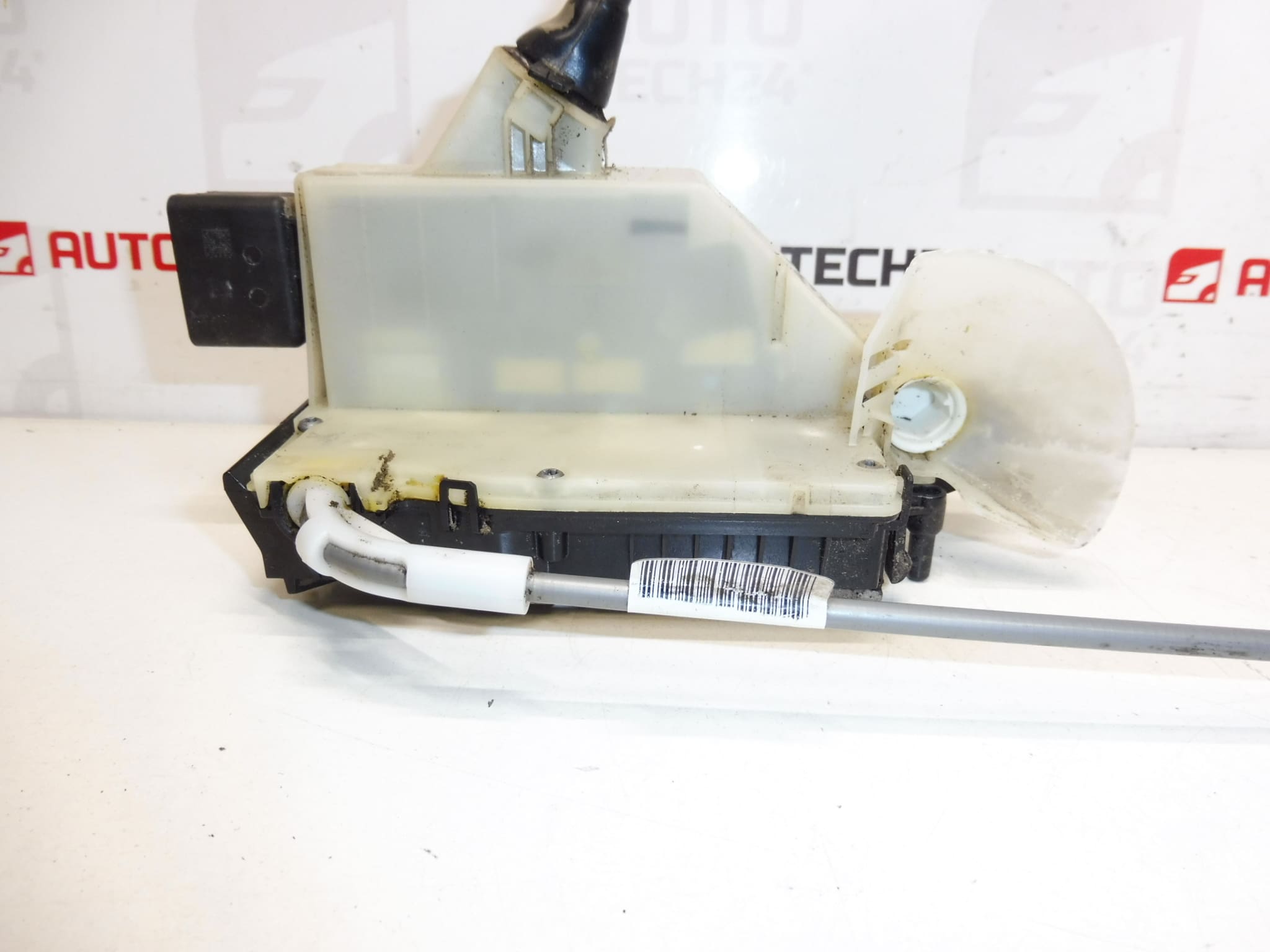
Description
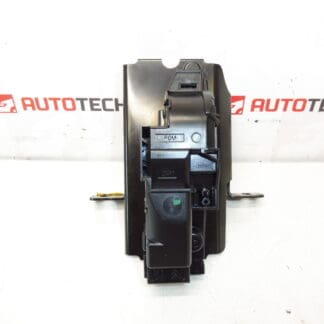
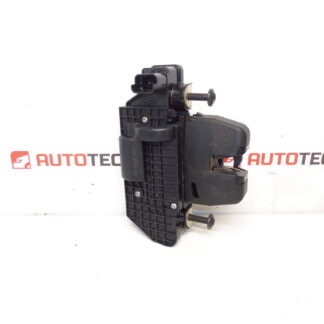
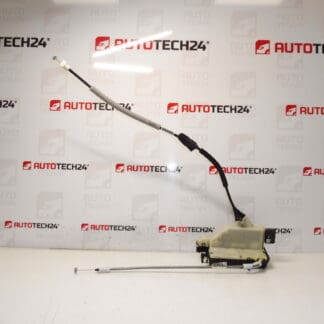
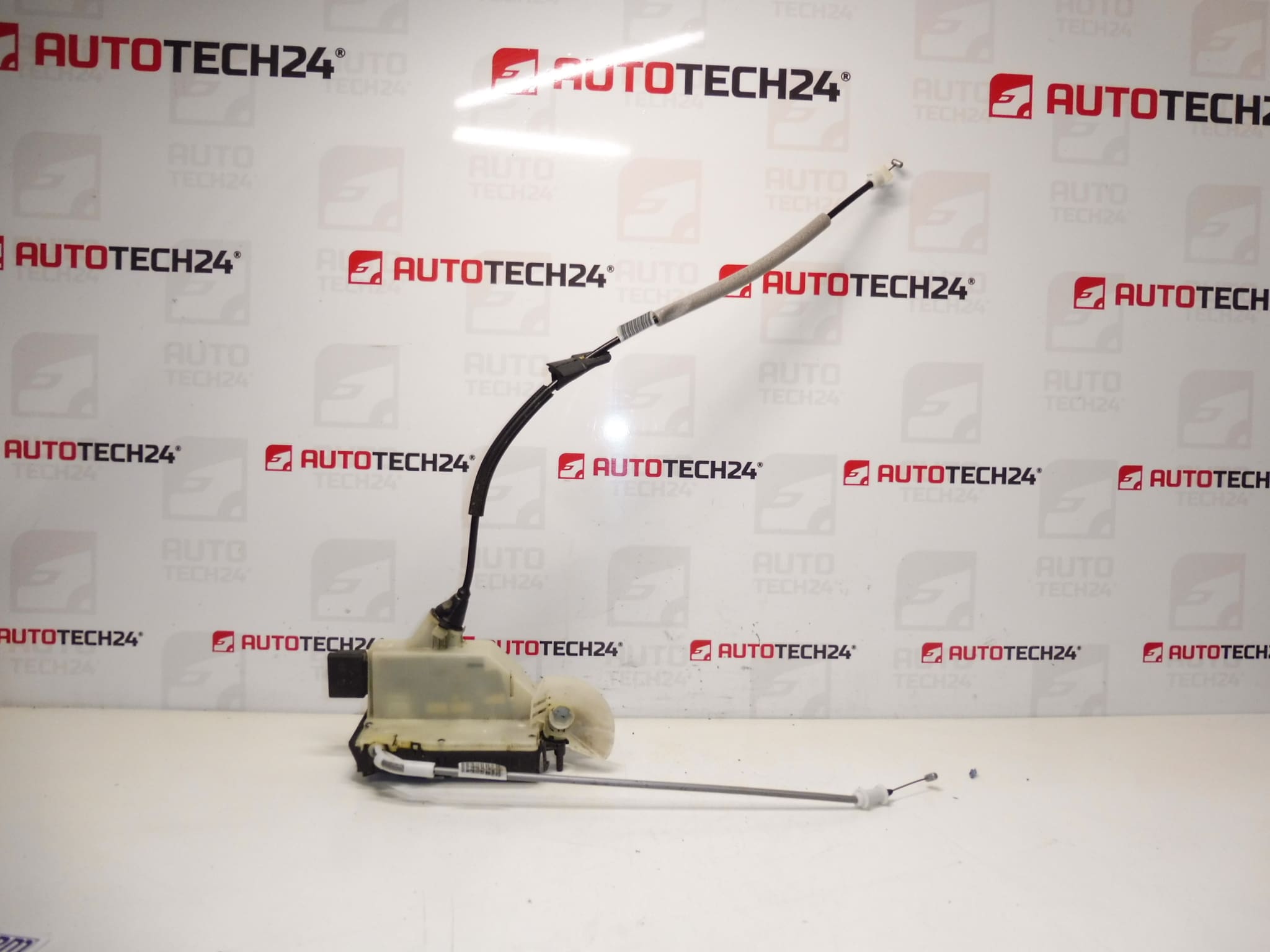
Electric central locking mechanism for the left front door for Citroën C4 and DS4 — Driver’s door.
Product Overview
High-quality electric door lock (central locking actuator) designed for the left front (driver’s) door of Citroën C4 II and DS4 models. Frequently searched by part numbers 9685351380 and 9135HQ, this actuator replaces the mechanical/electrical latch assembly responsible for locking, unlocking and detecting door closure. Suitable for professional workshops and competent DIY mechanics who perform door trim removal and basic electrical diagnostics.
Technical Information
- Manufacturer: Stellantis / Citroën
- Model: Citroën C4 II, DS4
- Product Codes: 9685351380, 9135HQ
- Additional Numbers: None specified
Function And Benefits
This unit integrates the latch, actuator motor and microswitches that operate the vehicle’s central locking system and inform the body control module about door status (open/closed/locked). Replacing a worn or faulty lock restores reliable locking/unlocking, eliminates false door-open warnings and prevents unexpected door unlocking while driving. The assembly is a direct-fit component for the listed models and restores OEM-style function when fitted correctly.
Replacement Procedure (Overview)
- Disconnect battery before starting work to avoid short circuits and protect vehicle electronics.
- Remove interior door trim carefully: release retaining clips, screws and disconnect any electrical connectors for switches or speakers.
- Peel back moisture barrier to access lock actuator and linkages.
- Unplug electrical connector from the lock, remove linkage rods from the latch, and unbolt the lock assembly from the door.
- Install new lock: transfer any required linkages or rods, tighten mounting bolts to manufacturer torque, connect the electrical plug and test operation before reassembling the door trim.
- Reattach moisture barrier and trim, reconnect battery and verify central locking, key remote operation and interior switch functions.
Installation Recommendations
- Always disconnect the battery before removing the lock to prevent short circuits and protect control modules.
- Inspect and lubricate moving linkages with appropriate greases; replace any corroded rods or clips to ensure smooth operation.
- Check door wiring harness and connector for corrosion or damage; poor electrical contact is a common cause of intermittent faults.
- Test the new lock electrically and mechanically while door trim is still off to avoid repeated reassembly.
- Use correct tools and follow manufacturer torque settings for mounting fasteners where available.
Most Common Failure Causes
- Moisture ingress Leading to Corrosion: Water entering the door cavity damages electrical contacts or corrodes mechanical components.
- Wear Of Internal Plastic Gears Or Latch Mechanism: Repeated use causes mechanical wear, resulting in intermittent or complete failure to lock/unlock.
- Failed Actuator Motor Or Microswitches: Electrical components can fail due to age, overloads or contamination.
- Damaged Linkages Or Broken Clips: Physical damage from slamming doors or previous repairs causes misalignment and poor operation.
- Faulty Door Wiring Or Connector: Chafing, pin corrosion or connector faults cause intermittent signals to the body control systems.
Notes For Professionals And DIYers
This part is intended for use on Citroën C4 II and DS4 vehicles. Ensure door alignment and latch engagement are correct after installation. If intermittent electrical issues persist after replacing the lock, inspect the vehicle’s wiring harness and fuses related to central locking circuits.