Description
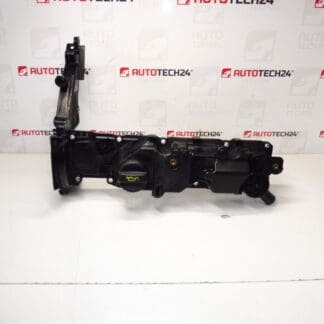
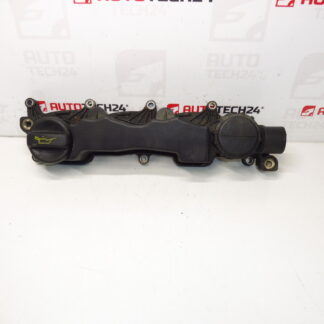
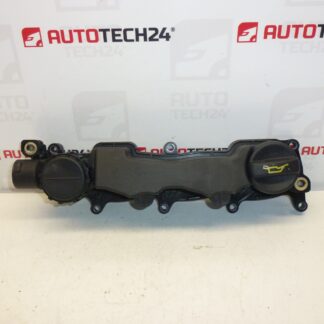
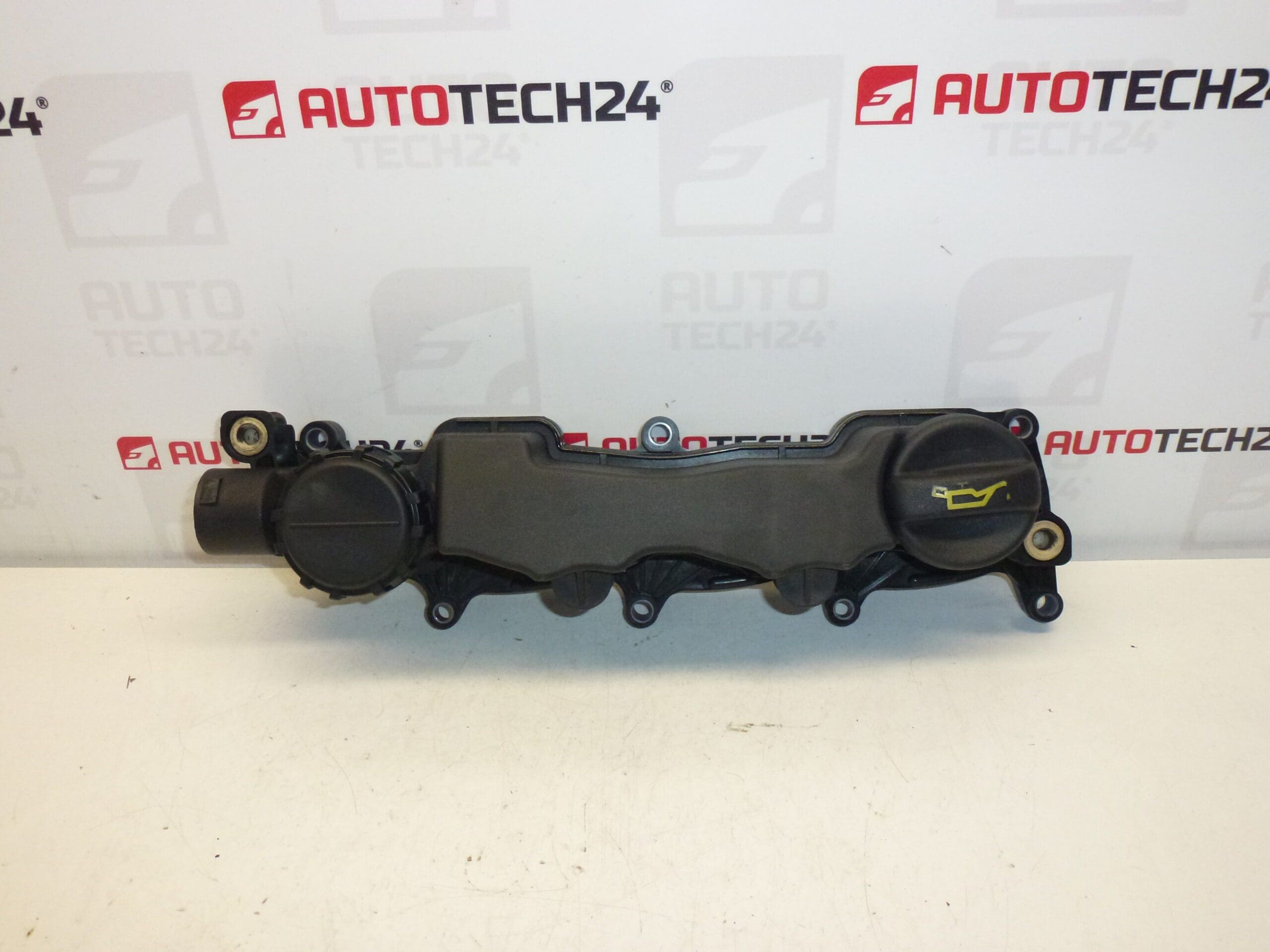
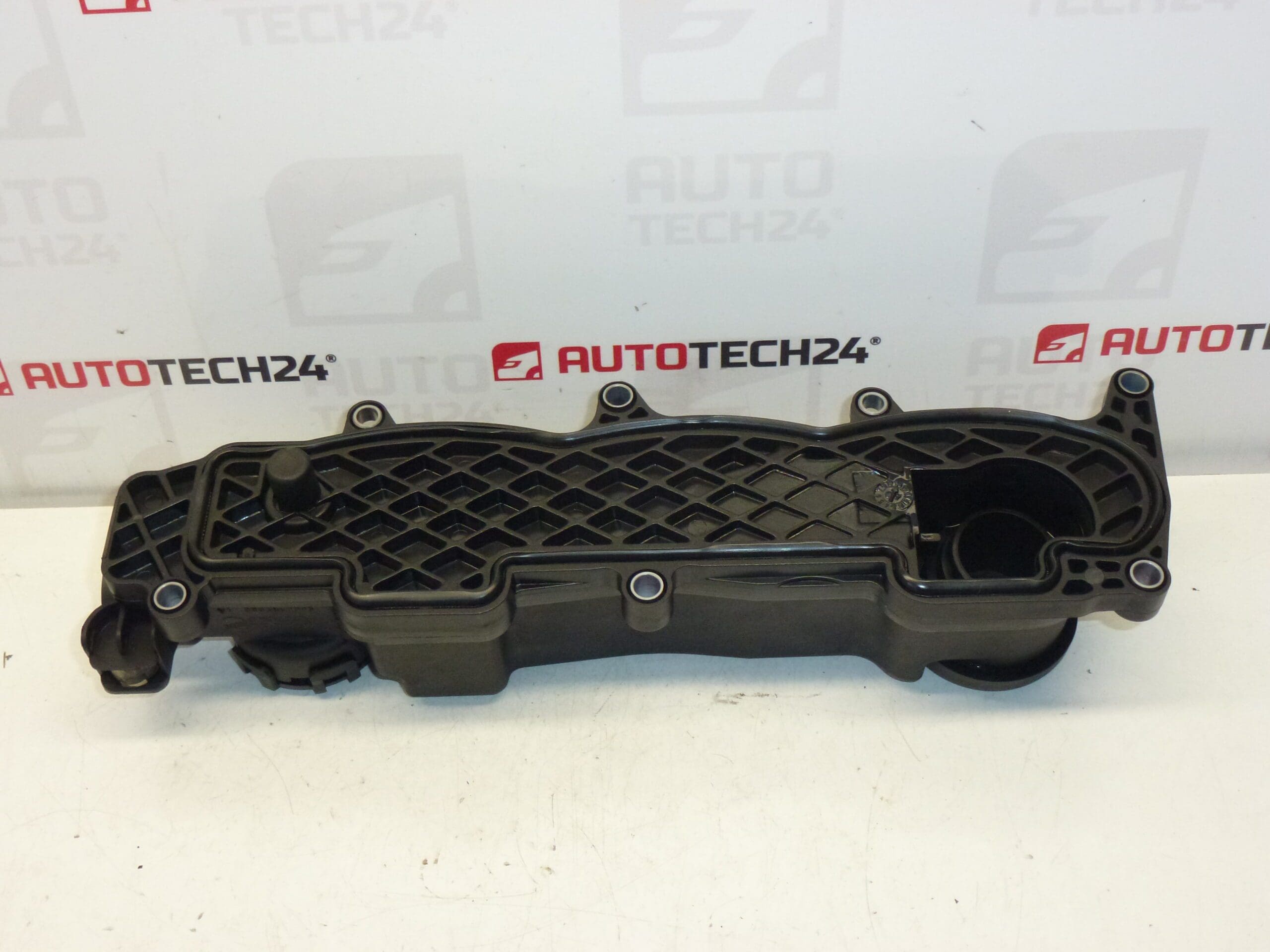
Cylinder head cover, valve cover for 1.6 HDi engines of Citroën and Peugeot vehicles. Pressure valve OK.
This Genuine-Style Valve Cover (OE Reference 9660281080 / 0248L1) is designed for mechanics and knowledgeable DIY enthusiasts who require a reliable sealing solution for PSA Group 1.6 HDi diesel engines. The cover integrates the crankcase ventilation/pressure valve provision and is a common replacement part when oil leakage or increased crankcase pressure is observed. Listed under part number 9660281080, it is frequently searched by technicians and parts buyers looking for a direct-fit cover for a range of Citroën and Peugeot applications.
Key Benefits
- Direct-fit replacement for 1.6 HDi engines – improves oil containment and engine bay cleanliness.
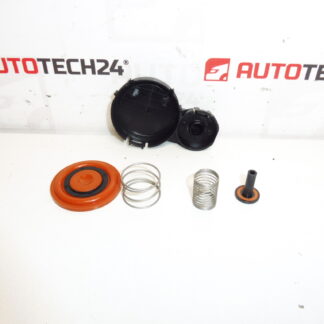
- Includes pressure valve provision (Pressure Valve OK) to maintain correct crankcase ventilation.
- Designed to match original mounting points and hose connections for fast installation.
- Reduces risk of oil contamination of ignition/glow plug area and prevents external oil leaks.
Typical Applications
Suitable For Many Citroën And Peugeot Models Equipped With 1.6 HDi Engines, For Example: Citroën C3, C4, Berlingo; Peugeot 207, 307, 308, Partner. Always Check The Engine Type (1.6 HDi) And The Part Number When Selecting Parts.
How It Works And Why It Fails
The Valve Cover Seals The Top Of The Cylinder Head And Houses The Crankcase Ventilation/Pressure Valve. Its Primary Functions Are To Keep Engine Oil Contained, Provide Mounting For Breather Hoses, And Allow Crankcase Gases To Be Routed Back Into The Intake System. The Most Common Failure Modes Are Deterioration Of The Valve Cover Gasket (Resulting In Oil Leaks), Clogging Or Failure Of The PCV/Pressure Valve (Causing Increased Crankcase Pressure And Oil Seepage), And Cracks Or Warping From Over-Tightening Or Thermal Stress.
How To Replace (Overview For Mechanics And Experienced DIYers)
- Prepare Work Area: Park On Level Surface, Allow Engine To Cool.
- Safety First: Disconnect The Battery Before Starting Work.
- Remove Obstructions: Detach Engine Cover, Air Intake Ducts, And Any Wiring Or Hoses Restricting Access To The Valve Cover.
- Label And Disconnect: Mark And Disconnect Breather Hoses And Electrical Connectors Attached To The Cover.
- Remove Fasteners: Unscrew Valve Cover Bolts In A Cross Pattern To Avoid Distortion.
- Inspect And Clean: Remove Old Gasket, Clean Mating Surfaces Thoroughly, And Inspect The Cylinder Head For Residual Oil Or Debris.
- Install New Gasket: Fit A New Valve Cover Gasket (Recommended) And Place The New Cover In Position.
- Tightening: Tighten Bolts Gradually In A Cross Pattern To The Manufacturer’S Specified Torque.
- Reconnect: Reattach Hoses, Wiring, And Any Removed Components. Reconnect The Battery And Start The Engine, Checking For Leaks.
Installation Recommendations
- Always Replace The Valve Cover Gasket When Installing A New Cover To Ensure Proper Sealing.
- Inspect And, If Necessary, Replace The Pressure/PCV Valve When Serviceable — A Faulty Valve Often Causes Recurring Leaks.
- Clean Mating Surfaces Thoroughly And Remove Any Old Sealant Residue Before Installing The New Gasket.
- Use Manufacturer Torque Specifications For Fasteners; Avoid Over-Tightening To Prevent Warping Or Cracking.
- Dispose Of Old Oil Residues And Contaminants According To Local Regulations.
Why This Part Is Replaced Most Often
Valve Covers Are Usually Replaced Due To Oil Leaks From A Failed Gasket Or From A Malfunctioning Crankcase Ventilation Valve Which Raises Internal Pressure. Heat Cycling, Ageing Of Rubber Seals, And Contamination From Engine Oils Can Accelerate Gasket Deterioration. Mechanical Damage From Improper Removal Or Over-Tightening Also Causes Cracks Or Distortion.
Technical Information
- Manufacturer: Stellantis (Citroën / Peugeot)
- Model: 1.6 HDi
- Product Codes: 9660281080; 0248L1
- Other Numbers: OE Reference 9660281080 (Also Marketed Under Internal Code 0248L1)
Notes
Often Searched By Part Number: 9660281080. The Unit Contains A Pressure Valve (Stated As “Pressure Valve OK”). For Best Results, Fitment Should Be Carried Out By A Technician Or By A Confident DIYer Following Proper Workshop Procedures.