Description
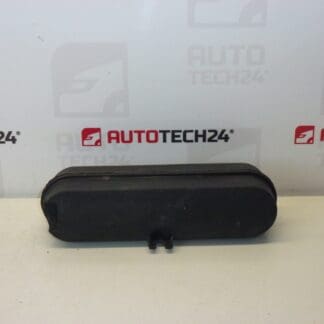
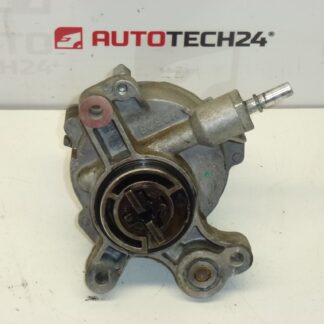
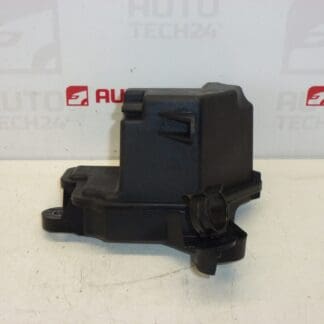
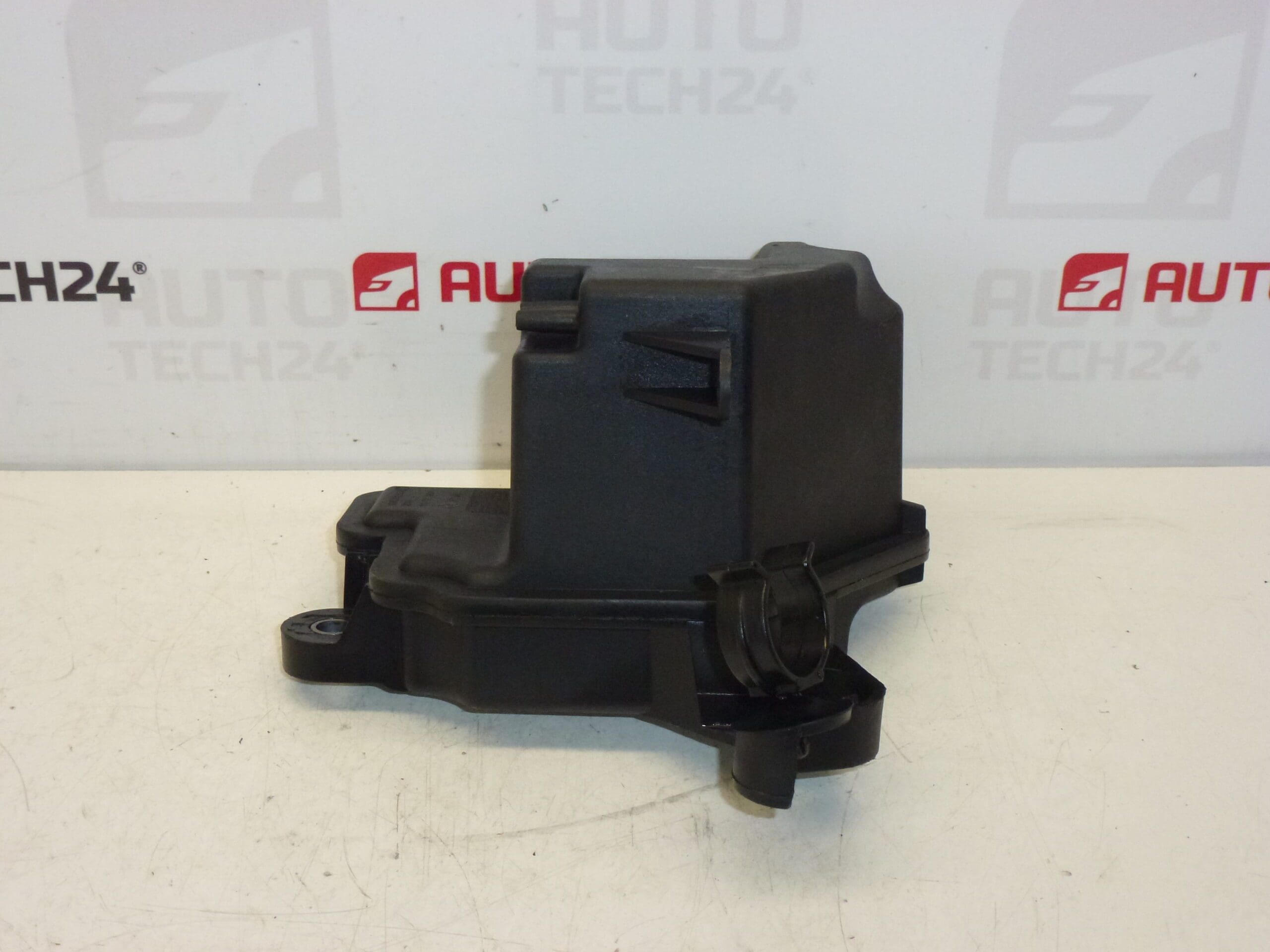
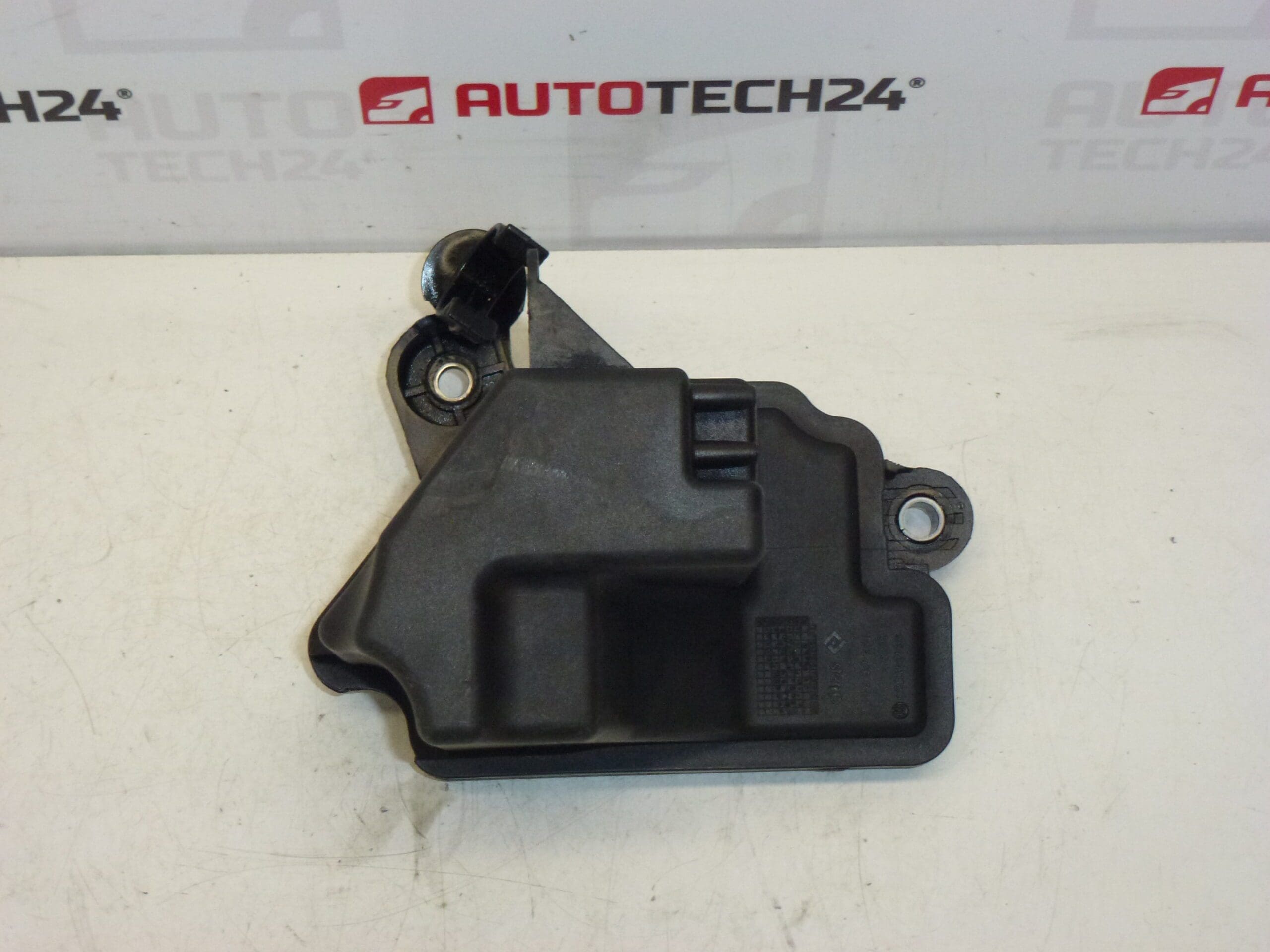
Vacuum reservoir for Citroën, Peugeot, Ford and Volvo 2.0 HDi vehicles
This vacuum reservoir (vacuum tank) is designed for 2.0 HDi diesel applications and provides a reliable source of stored vacuum for brake servo and other vacuum-operated systems. Ideal for professional mechanics and experienced DIYers, the part helps restore consistent brake assist, stabilize vacuum-controlled actuators and reduce the risk of intermittent faults caused by a collapsed vacuum supply. Common search terms: Vacuum Reservoir, Vacuum Tank, Vacuum Accumulator, Citroën 2.0 HDi, Peugeot 2.0 HDi, Part Number 9646411180, 161837.
Application And Compatibility
Compatible With The Following Models (Typical):
- Citroën C4
- Citroën C4 Picasso
- Citroën C5
- Citroën C5 X7
- Citroën C8
- Peugeot 307
- Peugeot 407
- Peugeot 807
Fits 2.0 HDi Engine Variants. May Also Be Found On Certain Ford And Volvo Vehicles Using The Same 2.0 HDi Powerplant.
Technical Information
- Manufacturer: Stellantis (Citroën / Peugeot)
- Model: 2.0 HDi Applications (See Compatibility List Above)
- Product Codes: 9646411180, 161837
- Additional Numbers: Not Specified
Function And Benefits
The Vacuum Reservoir Stores Engine Vacuum To Ensure Immediate Availability For The Brake Servo And Other Vacuum-Operated Systems, Especially During High Engine Load Or Turbo Boost When Manifold Vacuum Drops. Replacing A Faulty Reservoir Restores Brake Assist Feel, Prevents Inconsistent Vacuum Supply To Emission And Control Devices, And Reduces Audible Leaks (Hissing) From The Engine Bay.
Typical Symptoms Of A Faulty Vacuum Reservoir
- Hard Or Heavy Brake Pedal, Especially After Engine Start
- Intermittent Loss Of Brake Assist Under Load
- Hissing Sounds From Engine Bay Or Around Reservoir Area
- Erratic Operation Of Vacuum-Controlled Components (EGR, Turbo Actuators, Etc.)
- Poor Idle Stability When Vacuum Demand Is High
Why This Part Fails Most Often
Failure Usually Results From Age-Related Degradation, Heat-Induced Cracks In The Plastic, Or Oil Contamination From A Faulty Vacuum Pump That Accelerates Deterioration. Vibration And Repeated Thermal Cycling In The Engine Bay Also Promote Cracking Around Hose Connections. In Some Cases, Internal Baffles Or Check Valve Failure Reduce The Reservoir’S Ability To Hold Vacuum.
Replacement Frequency And Maintenance
There Is No Fixed Service Interval For The Vacuum Reservoir; Lifespan Depends On Vehicle Use, Engine Bay Conditions And Exposure To Oil Or Heat. Inspect The Reservoir During Routine Brake And Vacuum-System Service Or When Experiencing The Symptoms Listed Above. Replace If You Find Visible Cracks, Damaged Hose Connections Or If The Reservoir Fails To Hold Vacuum.
Installation Recommendations
- Park Vehicle On Level Surface And Allow Engine To Cool Before Work.
- Depressurize Vacuum System By Turning Engine Off And Cycling Brake Pedal To Release Stored Vacuum.
- Note Hose Routing And Mark Vacuum Lines To Ensure Correct Reconnection.
- Remove Retaining Clips Or Bolts Securing The Reservoir; Carefully Disconnect Vacuum Hoses And Electrical Connectors (If Present).
- Inspect Hoses, Clamps And Vacuum Pump For Damage Or Oil Contamination; Replace Any Worn Components.
- Install New Reservoir In Original Orientation, Reconnect Hoses Securely And Tighten Fasteners To Manufacturer Guidelines.
- Start Engine And Verify Vacuum Hold, Check For Leaks, And Confirm Proper Operation Of Brake Assist And Vacuum-Controlled Devices.
Replacement Is Straightforward For Skilled Mechanics And Competent DIYers With Basic Tools. When Replacing The Reservoir, Always Check Associated Hoses, Clamps And The Vacuum Pump To Prevent Repeat Failures.
Part Numbers And Model Coverage Provided Above Help With Quick Identification During Parts Search. Use The Product Codes 9646411180 And 161837 When Looking Up Cross-References Or Ordering Replacement Units.