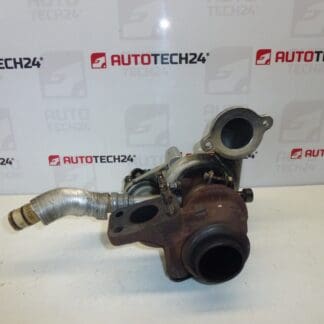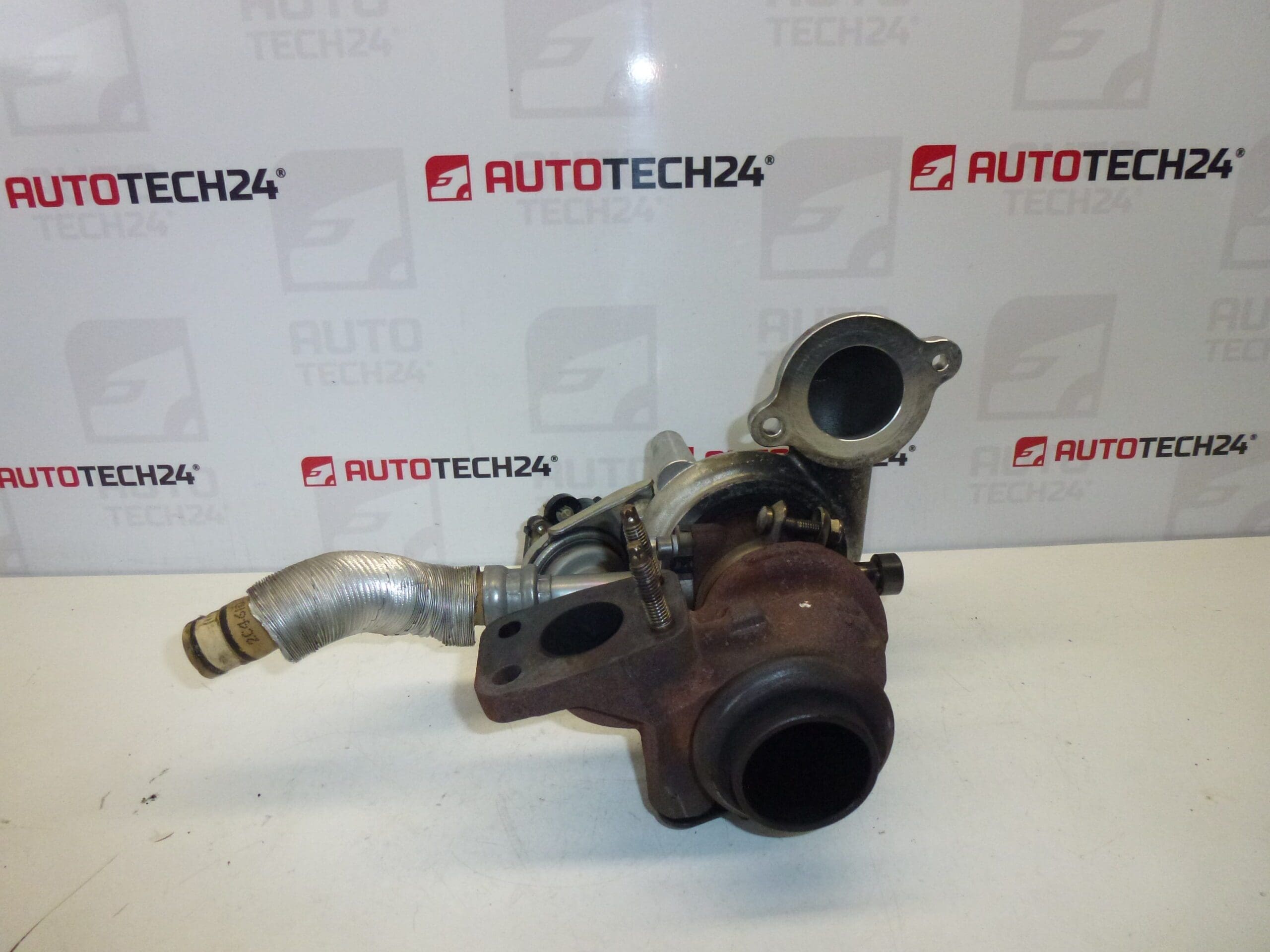
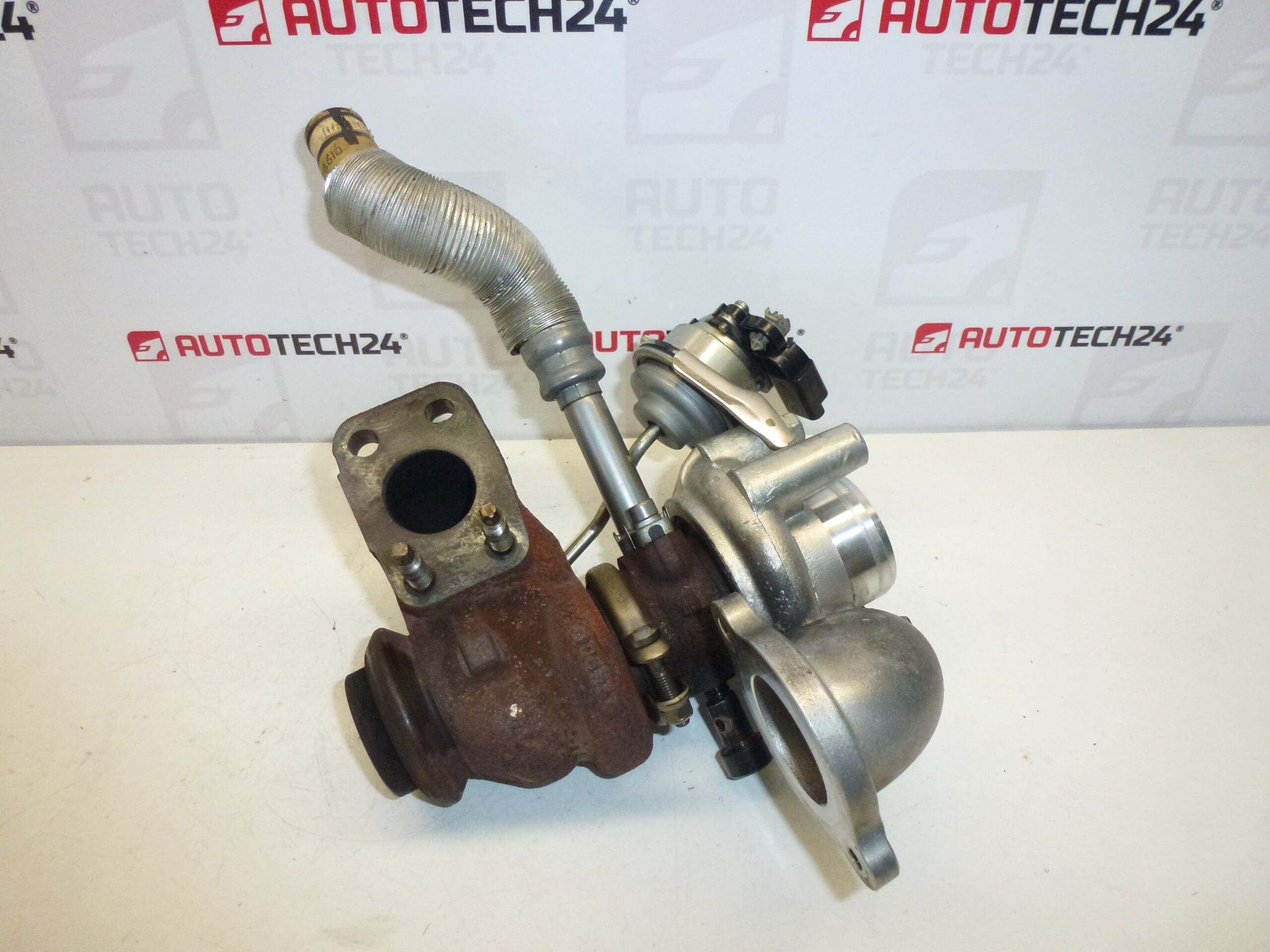
Description
Turbo 1.4 HDI, 1.6 HDI eHDI for CITROEN, PEUGEOT, FORD cars
Tested, solid and fully functional
Part description
Used turbocharger TD02H2-07-TVT-21 for 1.4 HDI and 1.6 HDI/eHDI engines is designed to replace a damaged turbo in a corresponding car design. It is listed in the documents as tested and fully functional. The turbo uses the energy of the exhaust gases to compress the intake air and helps the engine achieve the required performance.
When choosing, compare in particular the number 9673283680, the designation of the turbocharger and the design of the connections with the original part. The model name or engine capacity alone is not enough to determine the correct variant. The used functional part represents the possibility of repair without the need to purchase a new turbocharger.
Technical information
- Manufacturer: not specified.
- Model: Citroën Berlingo B9, Citroën C3 Picasso, Citroen C4 II, Peugeot 308, Peugeot Partner Tepee.
- Vehicle brands mentioned in the documents: CITROEN, PEUGEOT, FORD; specific FORD models not listed.
- Engines mentioned in the documents: 1.4 HDI, 1.6 HDI/eHDI.
- Type of part: turbocharger.
- Turbo designation: TD02H2-07-TVT-21.
- Main product number: 9673283680.
- Other numbers: 0375Q9, 0375R0, 49373-02003.
- Condition: used part; tested and fully functional according to the supplied description.
The listed models are based on the product documents. Applicability for a specific design must be assessed according to the designation of the original turbo and the technical documentation of the vehicle.
Product codes
- Product codes: 9673283680, 0375Q9, 0375R0, 49373-02003.
- Type designation: TD02H2-07-TVT-21.
The numbers are used to locate and compare the part. Before assembly, also check the compatibility of flanges, oil connections and any control elements.
Installation recommendations
The following procedure is general, typically applicable to replacing a turbocharger. Exact steps, access to the part, and service requirements depend on the specific engine model and design. Follow the vehicle manufacturer’s documentation; assembly requires consistent cleanliness and control of the lubrication system.
1) Before assembly
- Compare the markings, flanges, connections and any controls with the removed turbo.
- Inspect housings, threads and accessible impellers. The part must not contain foreign objects or show visible damage. The evaluation of clearances belongs to the expert according to the service data.
- Find out the cause of the failure of the original turbo. Without its removal, there is a risk of damage to the spare part.
- If there is a major oil leak or if the original turbo has disintegrated, do not start the engine until the affected pipes and related components have been inspected and cleaned.
2) Necessary tools and materials
In general, you will need the appropriate hand tools, a torque wrench, a container to catch operating fluids, clean dust-free wipes, and plugs for open lines. Prepare the sealing material, operational fillings and any disposable fasteners according to the service procedure of the specific car.
3) Step-by-step assembly procedure
- Allow the engine to cool, secure the vehicle against movement and take the safety precautions prescribed by the manufacturer.
- Document the piping and any connectors or control hoses to avoid confusion during reassembly.
- Disassemble the parts needed to access the turbo according to the service documentation.
- Clean around the connections and carefully disconnect the relevant lines. Protect the open holes from dirt.
- Loosen the clamp and remove the original turbo without stressing the connecting pipe.
- Check the oil inlet and outlet, the condition of the lubrication system and the engine ventilation. Eliminate detected defects before installing the replacement turbo.
- Check the intake and pressure pipes, possibly the intercooler, if fitted. Remove accumulated oil and dirt; do not use damaged components.
- Prepare clean bearing surfaces and prescribed seals. Provide initial lubrication of the turbo as specified in the service procedure.
- Install the turbo without tension in the flanges and pipes. Tighten the joints in the order and to the values prescribed by the manufacturer.
- Connect all lines and any controls. Remove the protective plugs and return the dismantled parts. Do not adjust stops or rods without the prescribed procedure.
- Complete the prescribed oil and filter service and build up lubrication prior to first start as per the engine documentation. Only then start the engine and check operation without immediate load.
-
4) Post-assembly checks and function verification
Check oil, air and exhaust connections for leaks. Watch for unusual sounds, smoke and any vehicle alerts. If everything is in order, do a short test drive with a gradual load on the warmed-up engine. Then check the oil level and tightness again according to the manufacturer’s instructions. If there is significant smoke, unusual noise or oil leakage, switch off the engine and eliminate the cause.
5) The most common assembly errors and prevention
- Replacement without removing the original cause: first check lubrication, cleanliness of pipes and related systems.
- First start without secured lubrication: follow the prescribed initial lubrication procedure.
- Impurities or excess sealant in the joints: work cleanly and use only prescribed seals.
- Incompetent control adjustment: do not interfere with the settings without service data and appropriate equipment.
- Insufficient lubrication due to limited oil supply or a malfunction in the lubrication system.
- Contaminated oil and neglected maintenance that accelerate bearing wear.
- Foreign objects in the intake or exhaust path which can damage the impellers.
- Restricted oil flow or engine ventilation failure which can contribute to oil leaks.
- Excessive heat load, for example when handling the engine inappropriately after heavy load.
- Leaks and turbocharger control malfunctions that can lead to turbo operation outside of specified conditions.
Reasons why the part is damaged
In general, common causes of turbocharger damage include:
Eliminating the cause of the original failure is essential for the reliable operation of the installed part.