Description
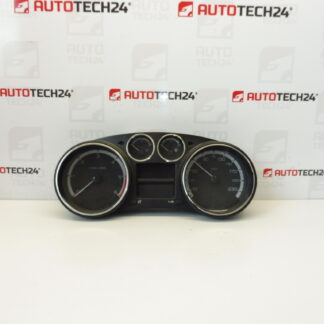
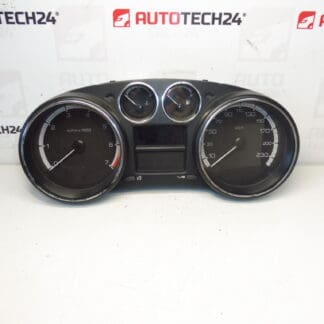
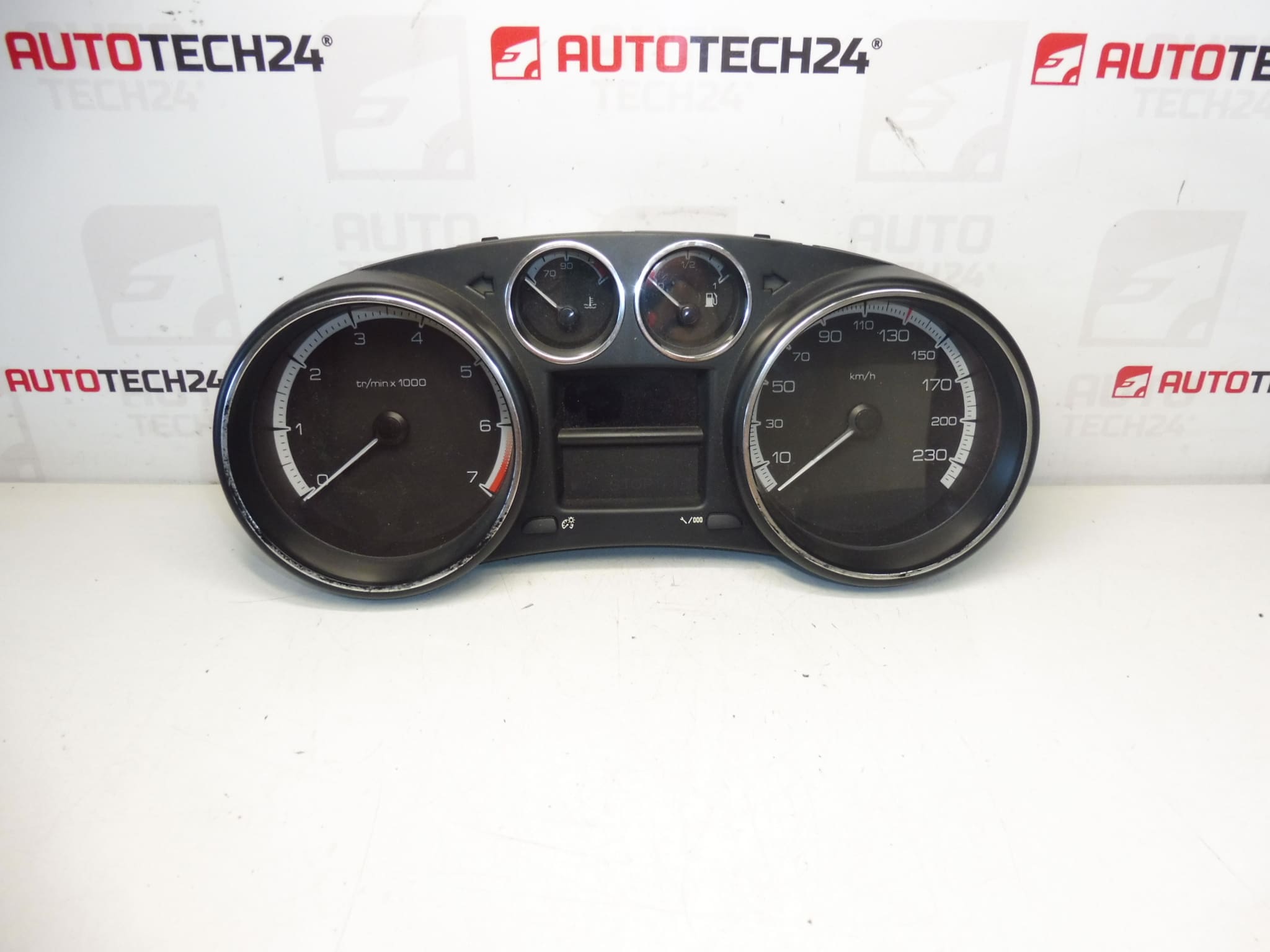
Speedometer, instrument cluster for PEUGEOT 308 T7 with 1.4 VTi and 1.6 VTi engines. Complete combined instrument. Mileage unknown.
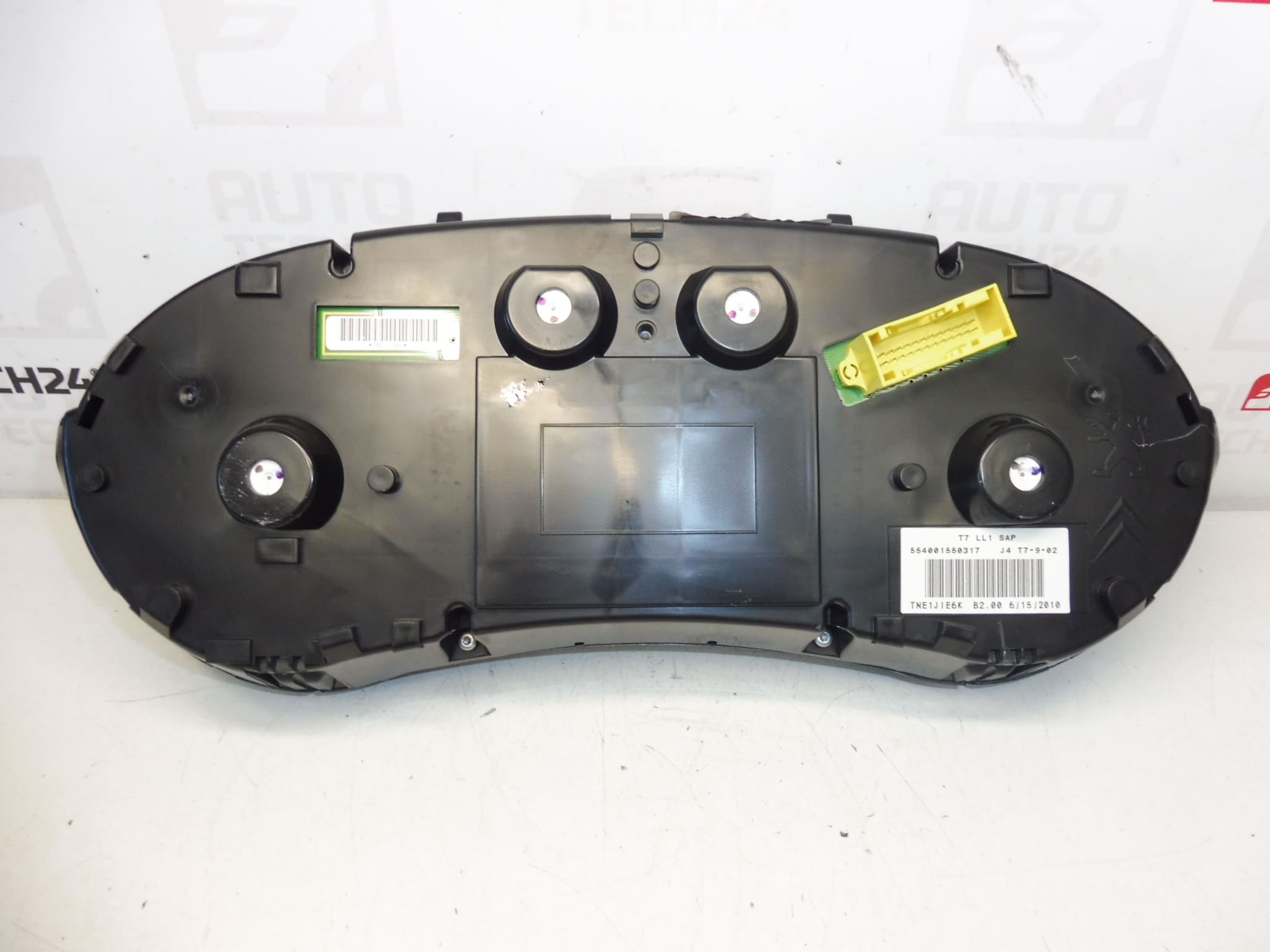
This complete instrument cluster is an ideal replacement for workshops and DIY mechanics seeking a direct-fit dash cluster for the Peugeot 308 T7. The unit includes the speedometer, tachometer, fuel gauge, temperature gauge, odometer/trip, and the full set of warning and indicator lights. It suits vehicles equipped with 1.4 VTi and 1.6 VTi petrol engines and is commonly referenced by OE numbers 9666642080 and 9806132380 (also listed under internal references 6103HR / 6103RL).
Technical Information
- Manufacturer: Peugeot (Stellantis)
- Model: Peugeot 308 T7
- Product Codes: 9666642080, 9806132380, 6103HR, 6103RL
- Additional Numbers: Compatible with dashboards referenced under the above OE numbers; check part cross-references when replacing similar clusters
Fitment And Compatibility
Fits Peugeot 308 T7 vehicles equipped with 1.4 VTi and 1.6 VTi petrol engines. Intended as a full replacement instrument cluster — confirm physical connector layout and mounting points match the vehicle harness. This unit is typically used where the original dash cluster has failed or displays errors.
How The Unit Functions
The instrument cluster gathers signals from engine and body control modules to display vehicle speed, engine rpm, fuel level, coolant temperature, and alert the driver with warning lights (ABS, airbag, engine check, etc.). The odometer records mileage. Needles and displays are driven by internal stepper motors and electronic drivers controlled by the cluster’s circuitry.
Installation Procedure
Recommended basic replacement steps for experienced mechanics or competent DIYers:
- Disconnect the negative battery terminal before starting to avoid short circuits and protect electronics.
- Remove bezel and trim panels around the steering column to access the cluster mounting screws.
- Unscrew mounting fasteners and carefully pull the cluster forward to reach electrical connectors.
- Release the multi-pin connectors by their locking tabs and remove the old unit.
- Fit the replacement cluster, reconnect the electrical connectors and secure with mounting screws.
- Reconnect the battery and perform basic checks: ignition on, warning lights test, needle movement, backlight and display readability, and communication with other modules.
Some clusters may require calibration, synchronization, or coding to the vehicle modules. Use of PSA diagnostic tools (e.g., DiagBox / Lexia) is recommended when adaptation or coding is necessary.
Installation Recommendations
- Always disconnect the battery before removal and follow the manufacturer’s instructions to avoid damage to electronic modules.
- Work in a clean, static-free environment. Avoid touching circuit board contacts or components inside the cluster.
- Check connector pins for corrosion or bent pins before installation. Clean and repair plugs if required.
- After installation, verify all warning lights and gauges operate correctly and perform any required coding or calibration with suitable diagnostic equipment.
Why This Part Fails Most Often
Instrument clusters typically fail due to age-related wear, electrical problems, or environmental damage. Common causes include:
- Stepper motor wear or failure causing stuck or inaccurate needles.
- Poor solder joints or cracked traces on the PCB leading to intermittent displays or dead segments.
- Backlight or display module degradation, causing dim or uneven illumination.
- Water ingress or high humidity producing corrosion on connectors and circuit boards.
- Voltage spikes, blown fuses, or charging system faults that damage internal electronics.
Practical Tips
When replacing the cluster, verify the unit’s connectors and physical mounting match the vehicle. Keep the original unit until the replacement is fully tested so you can revert quickly if reprogramming is required. For persistent faults, inspect related modules, wiring harnesses, and fuses — many display issues originate from upstream sensors or power supply irregularities.
Keywords
Peugeot 308 instrument cluster, speedometer 9666642080, dash cluster 9806132380, tachometer 6103HR, Peugeot 308 T7 cluster replacement, instrument panel Peugeot.