Description
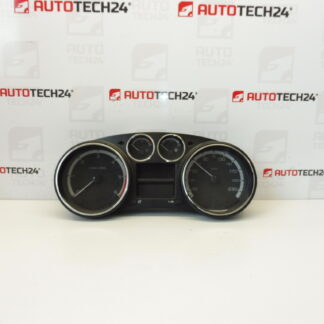
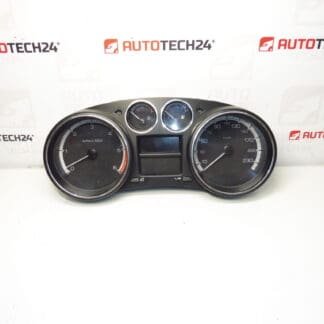
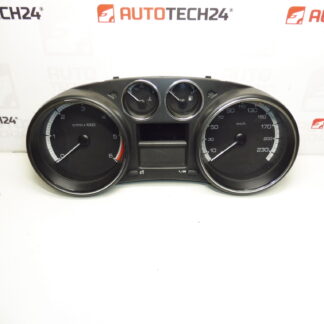
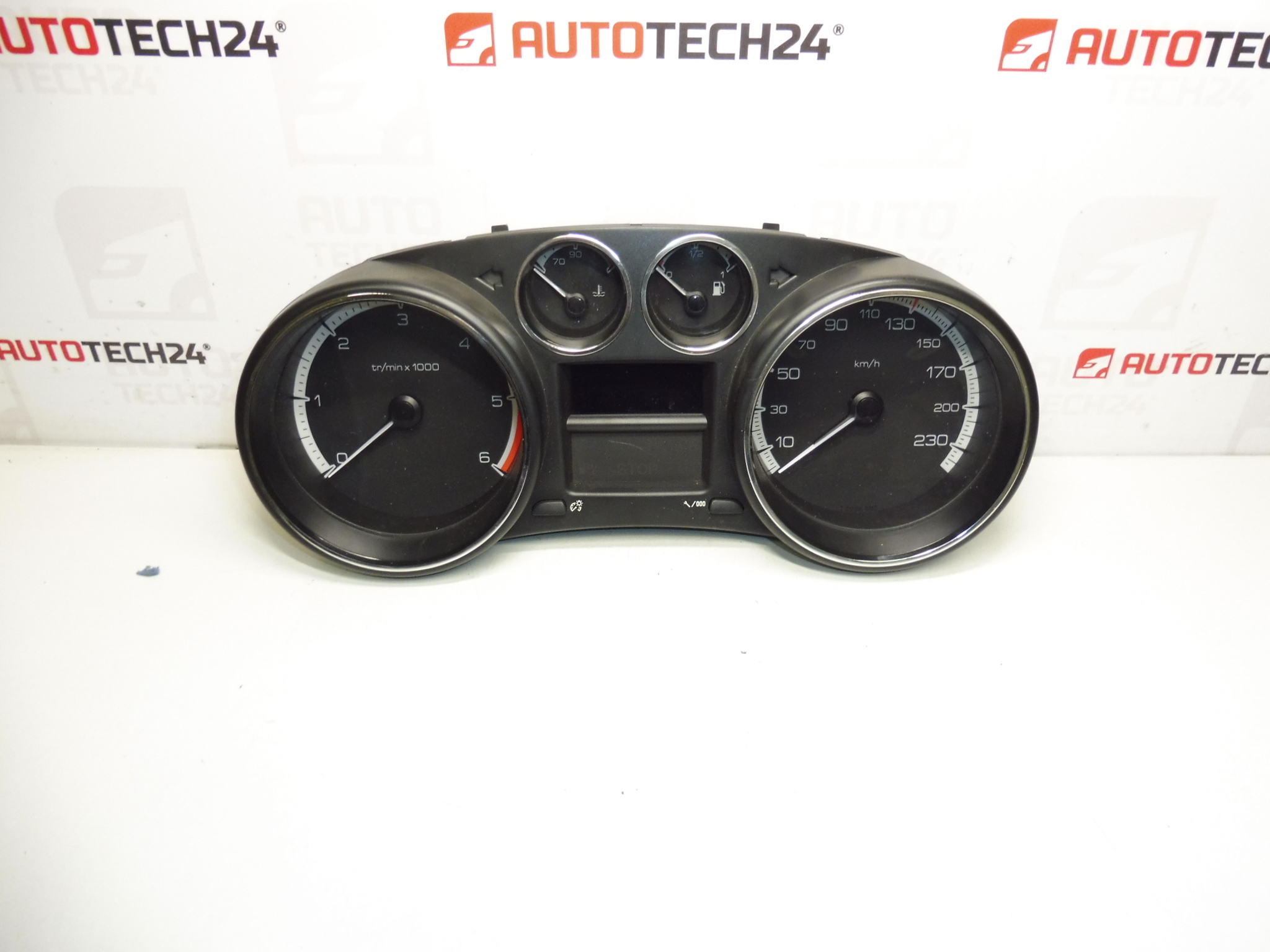
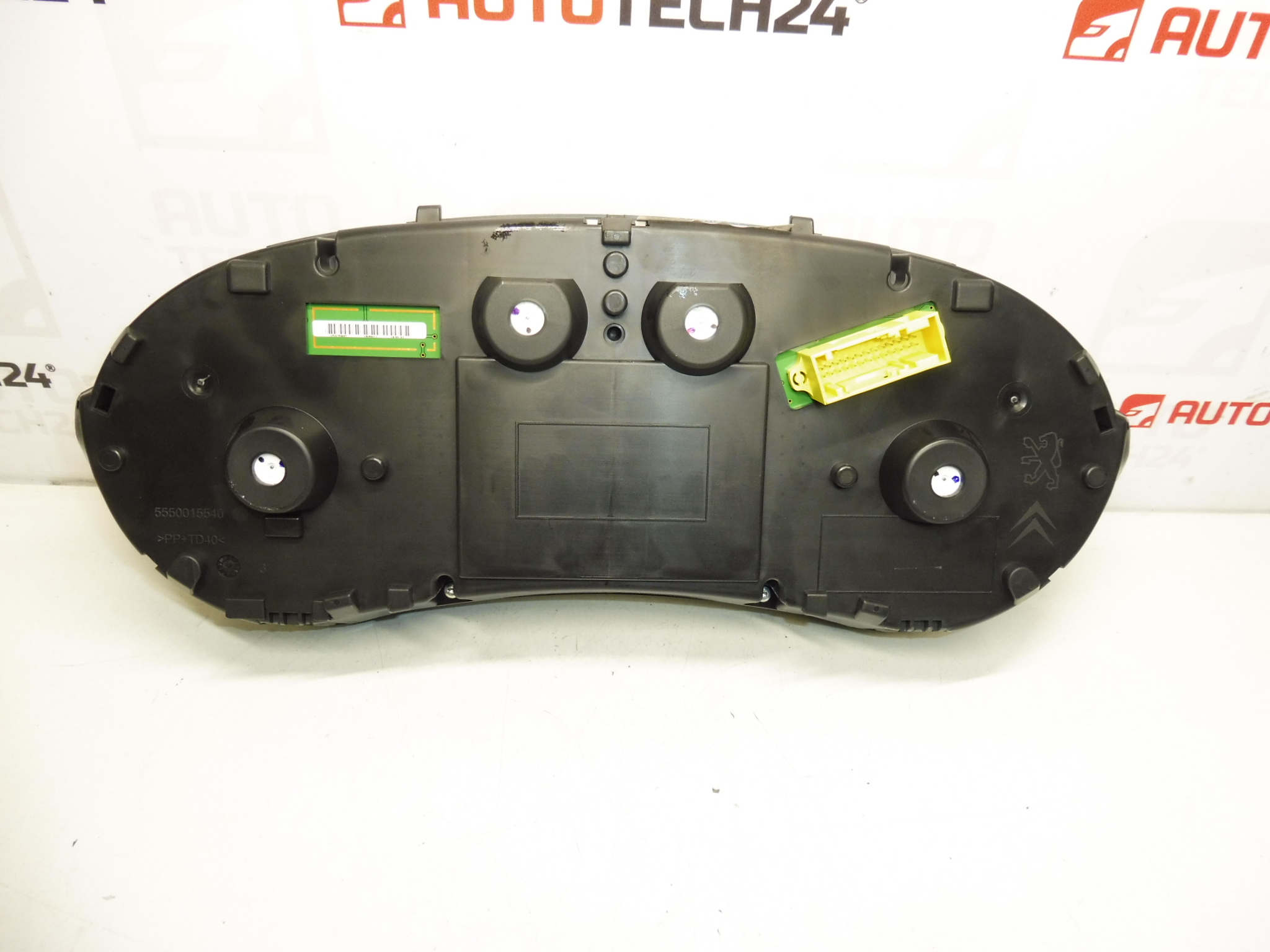
Tachometer Instrument Cluster Dashboard PEUGEOT 308 1.6 e-HDI 2010. Mileage approx. 115,000 km.
Product Overview
High-quality instrument cluster (tachometer) removed from a Peugeot 308 1.6 e-HDi, year 2010. The unit shows approximately 115,000 km. This original equipment dashboard module includes speedometer, tachometer, fuel and temperature gauges and the associated warning/indicator lights. Ideal replacement for workshops and DIY mechanics looking for a direct-fit, cost-effective solution with original Peugeot part references.
Key Benefits
- Direct fit for the specified Peugeot 308 application—no mechanical adaptations required.
- Original manufacturer electronics and gauge mechanisms for correct readings and appearance.
- Cost-efficient option for restoring full instrument functionality and dashboard aesthetics.
Technical Information
- Manufacturer: Stellantis / Peugeot
- Model: Peugeot 308 1.6 e-HDi (2010)
- Product Codes: 9666649080, 9806132480
- Additional Numbers: None Known
Compatibility And Fitment
Fits Peugeot 308 vehicles equipped with the 1.6 e-HDi engine as per the listed part numbers. Always compare the product codes on your existing cluster with the codes above to confirm fitment. Physical fit is plug-and-play for matching connectors and mounting points.
How To Replace The Instrument Cluster
- Disconnect the negative battery terminal before starting to avoid electrical damage.
- Remove surrounding trim panels and steering column covers to access the cluster retaining screws.
- Unscrew the cluster, carefully pull it forward and disconnect the electrical connectors and any illumination plugs.
- Fit the replacement cluster, reconnect all plugs and secure with screws. Reinstall trim panels.
- Reconnect the battery and verify all gauges, warning lamps and backlighting function correctly.
If instrument illumination, gauges or warning messages behave unexpectedly after installation, further diagnostic checks with appropriate diagnostic equipment may be required.
Recommended Tools And Tips
- Trim removal tools to avoid damaging interior panels.
- Torx/Phillips screwdrivers depending on vehicle trim specification.
- Multimeter to verify power and ground at the cluster connector if problems occur.
- Diagnostic scanner for final verification of instrument signals and vehicle bus communication.
Why This Part Most Frequently Fails
- Electronic Component Aging: Heat and vibrations over time can degrade solder joints, stepper motors and LED circuits.
- Moisture Ingress: Water or condensation can corrode connectors or internal circuitry, causing intermittent faults or complete failure.
- Power Surges Or Short Circuits: Electrical faults elsewhere in the vehicle can damage the cluster’s electronics.
- Wear On Mechanical Parts: Stepper motors that drive needles may lose accuracy after high mileage, causing stuck or erratic gauge readings.
Condition Note
The unit is a removed original part showing approximately 115,000 km on the odometer. Sold as a used, functioning instrument cluster—suitable for replacement where the part codes match. Visual inspection and basic electrical checks are recommended prior to installation.
Installation Recommendation
Always disconnect the battery before removing or fitting the instrument cluster and follow the vehicle manufacturer’s disassembly/reassembly procedures to prevent module damage. Verify connector seating and ground continuity during installation. If in doubt, have the final checks performed by a qualified technician with appropriate diagnostic tools.