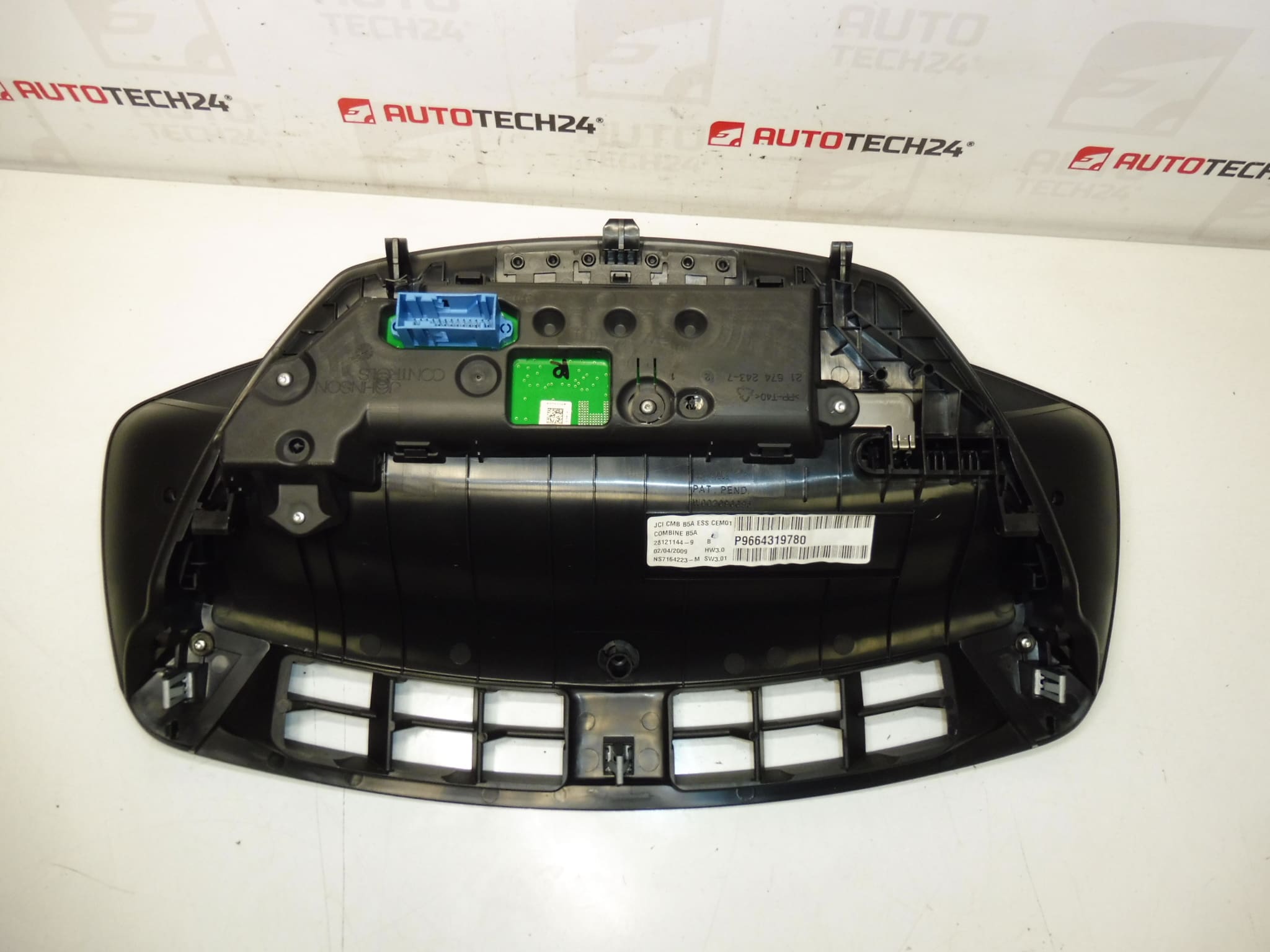
Description
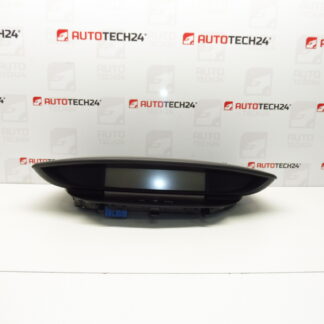
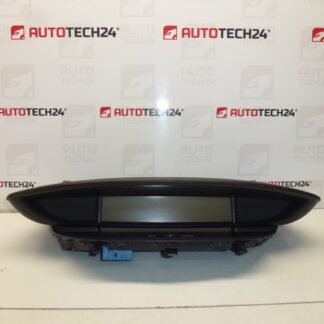
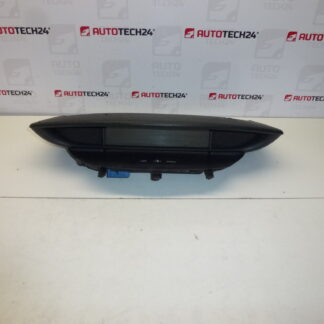
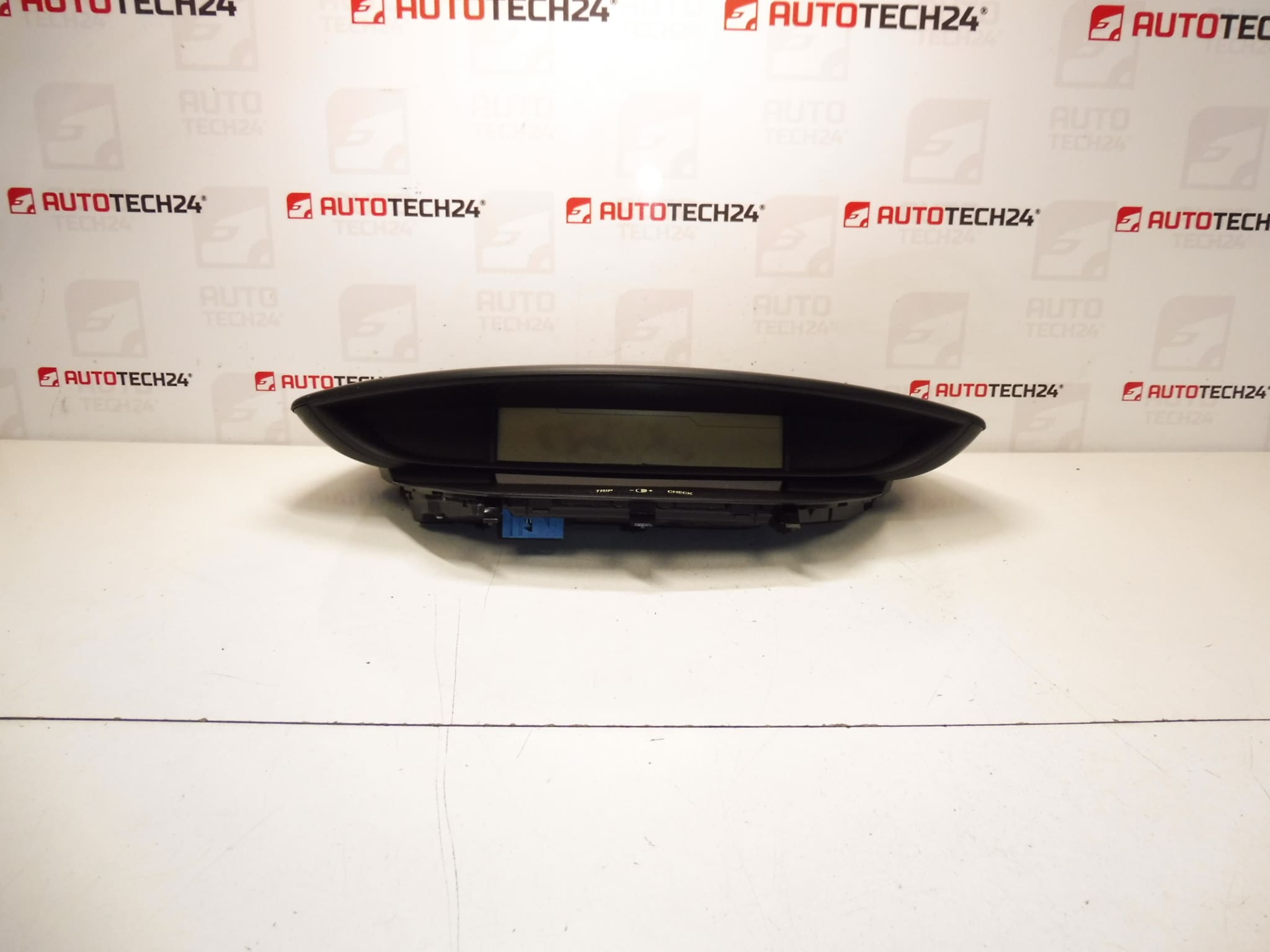
Speedometer instrument cluster for Citroën C4 from 2008. Mileage approximately 185,000 km.
This instrument cluster is an ideal replacement part for workshops and DIY mechanics looking to restore dashboard functionality on Citroën C4 models. The unit displays speed, engine RPM, odometer and warning indicators, and comes with the original product references commonly used in searches (9664319780, 6103A9). Clear item codes in the description make it easy to find this exact part when ordering or cross-referencing in parts catalogs.
Technical Information
- Manufacturer: Stellantis / Citroën / Peugeot
- Model: Citroën C4 (from 2008)
- Product Codes: P9664319780, 9664319780, 6103A9, 6103C0
- Other Numbers: NFP (as marked)
Function And Typical Use
The instrument cluster provides drivers with essential vehicle information: speed, tachometer, total mileage (odometer), fuel level/warning lights and other dashboard indicators. It integrates illumination/backlighting and stepper motors or electronic drivers to move needles and updated digital displays.
Replacement And Installation
Basic replacement steps for an experienced mechanic or competent DIYer:
- Always disconnect the battery before starting work to prevent electrical damage.
- Remove the dashboard trim and lower/upper steering column covers to access the cluster mounting screws.
- Unscrew the retaining screws, carefully pull the cluster forward and disconnect the wiring harness connectors.
- Fit the replacement cluster, reconnect the wiring harness and reassemble the trim in reverse order.
- After installation, check all gauges, warning lights and backlighting. If any functions are non-responsive, recheck connectors and fuses.
Note: On some Citroën C4 variants, instrument cluster replacement may require initialization or coding with dealer-level diagnostic equipment to restore certain features (e.g., mileage display alignment or immobilizer synchronization). If coding is necessary, use appropriate PSA diagnostic tools.
Recommendation For Installation
- Perform installation in a dry, static-free environment and avoid force when disconnecting connectors.
- Reconnect the battery only after the cluster is properly secured and all connectors are clicked in place.
- Use a calibrated diagnostic scan tool to verify fault codes and confirm correct operation of the new unit after fitment.
Why This Part Fails Most Often
Common failure causes for instrument clusters include aging or failed backlighting, worn stepper motors (needle movement), cracked solder joints on the PCB due to temperature cycles or vibration, display/digital module failures, and water or moisture ingress. Electrical surges or poor vehicle battery/alternator performance can also damage internal electronics. Failures tend to appear more often as vehicles accumulate high mileage (commonly observed after 100,000–200,000 km) and in cars exposed to harsh temperature or humidity conditions.
What To Check Before Purchase
- Verify the product codes listed match the codes used on your vehicle (listed in Technical Information).
- Inspect the unit for visible signs of damage, connector integrity and the stated mileage if relevant to your use.
- Plan for possible coding/initialization steps when replacing the cluster to ensure full functionality.
This listing references the original item codes to help you locate the correct instrument cluster quickly: P9664319780 / 9664319780 / 6103A9 / 6103C0.