Description
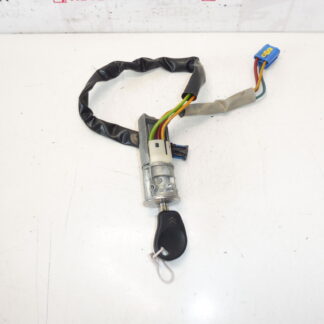
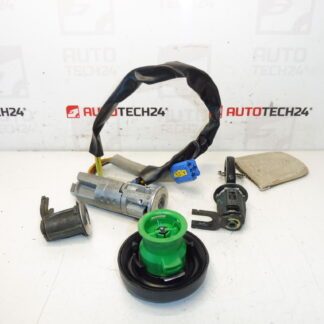
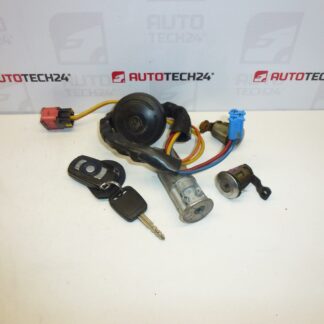
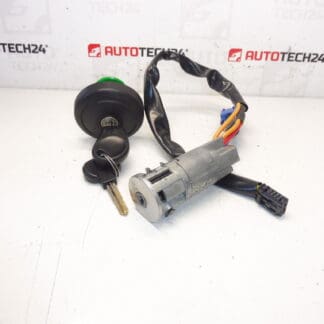
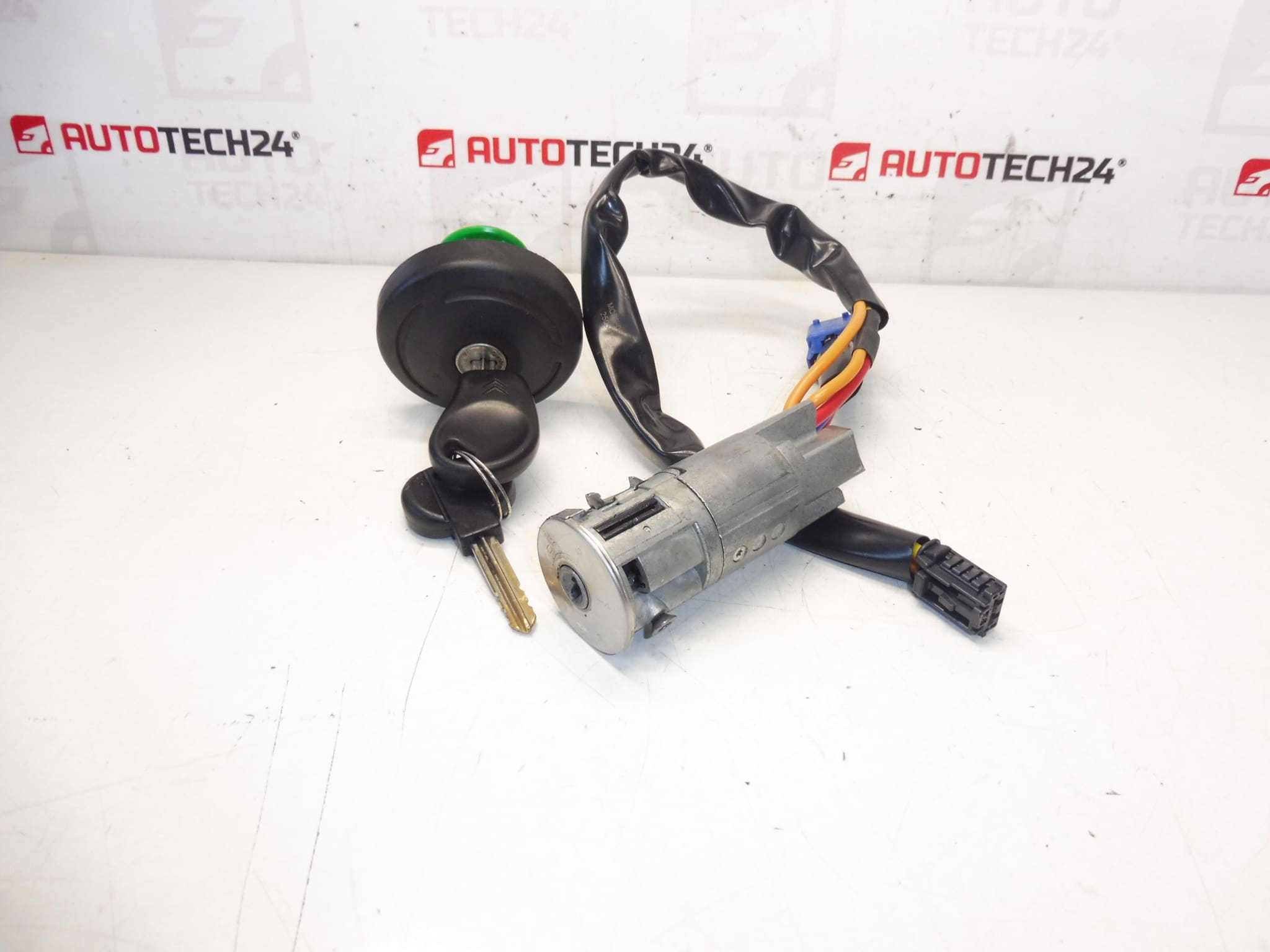
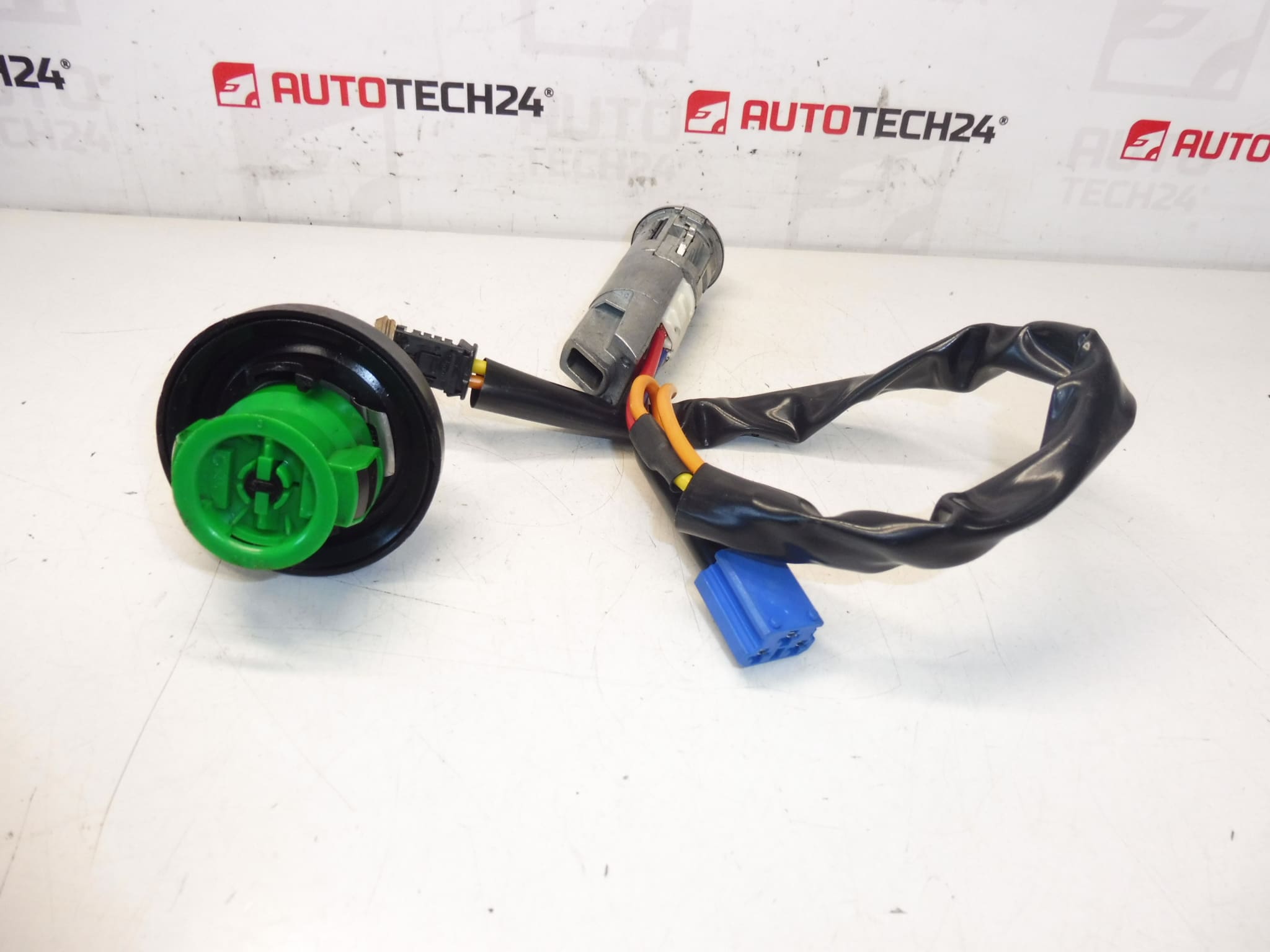
Ignition switch housing with fuel filler cap lock for Citroën Xsara Picasso
Product Overview
This ignition switch housing with integrated fuel filler cap lock is a direct-fit component for Citroën Xsara Picasso vehicles. Supplied with two keys, it replaces the worn or damaged ignition barrel assembly and restores secure locking and reliable electrical switching for accessory, ignition and starter circuits. Ideal for professional garages and DIY mechanics searching by part number (4162HK / 4162FF / 4162CK).
Technical Information
- Manufacturer: Stellantis (Citroën / Peugeot)
- Model: Citroën Xsara Picasso
- Product Codes: 4162HK, 4162FF, 4162CK
- Other Numbers: Commonly referenced within the Stellantis 4162 series (cross-references may vary)
- Keys: 2 Keys Included
Function
The unit combines the mechanical ignition barrel and its housing with the locking mechanism for the fuel filler cap. Mechanically it provides secure key operation through positions (lock, accessory, ignition, start). Electrically it makes and breaks contacts that enable accessories, ECU power and starter motor activation. The integrated fuel flap lock ensures the filler cap can only be opened with the correct key.
Compatibility
Fits Citroën Xsara Picasso models equipped with matching part numbers listed above. Confirm matching part codes on the old unit before installation to ensure proper fit and function.
Installation Recommendations
- Always disconnect the battery before starting work to avoid short circuits and to protect vehicle electronics.
- Remove steering column trim panels to access the ignition housing—retain all fasteners and note trim clips to avoid damage.
- Disconnect any electrical connectors to the ignition switch before unscrewing the housing. Carefully remove retaining screws or clips and withdraw the old barrel.
- Install the replacement housing and barrel in reverse order. Verify mechanical key operation through all positions and ensure the fuel flap lock engages and releases correctly.
- For vehicles with transponder keys, ensure keys provided are the correct type; new keys may require programming if transponder data does not match the immobilizer.
- Test ignition circuits (accessory, ignition, starter) before reassembling trim. Use manufacturer-recommended procedures and tools where applicable.
Why It Fails Most Often
Common failure modes include mechanical wear of tumblers and wafers from prolonged use, key damage or breakage, accumulation of dirt or corrosion inside the barrel, and failure of the internal electrical contacts due to arcing or contamination. Moisture ingress around the housing can accelerate corrosion and lead to intermittent electrical faults or a jammed key.
Practical Tips
- Lubricate new cylinders with a dry graphite or manufacturer-recommended lubricant—avoid oil-based lubricants that attract dirt.
- Do not force a stuck key; investigate pin binding or debris first to avoid breaking the key in the barrel.
- Keep a record of the part codes from the removed unit to assist future replacements or ordering.