Description
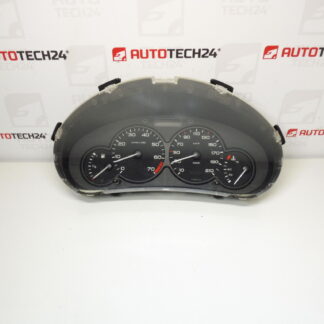
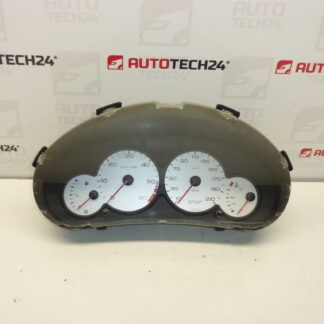
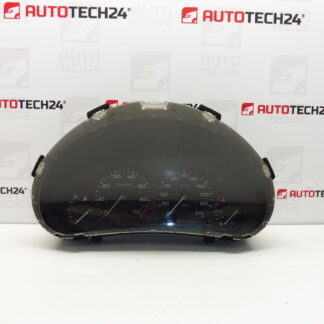
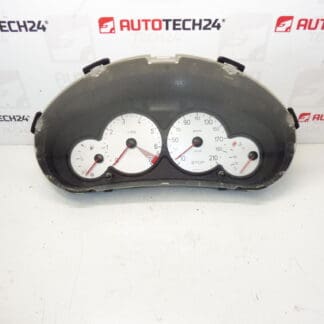
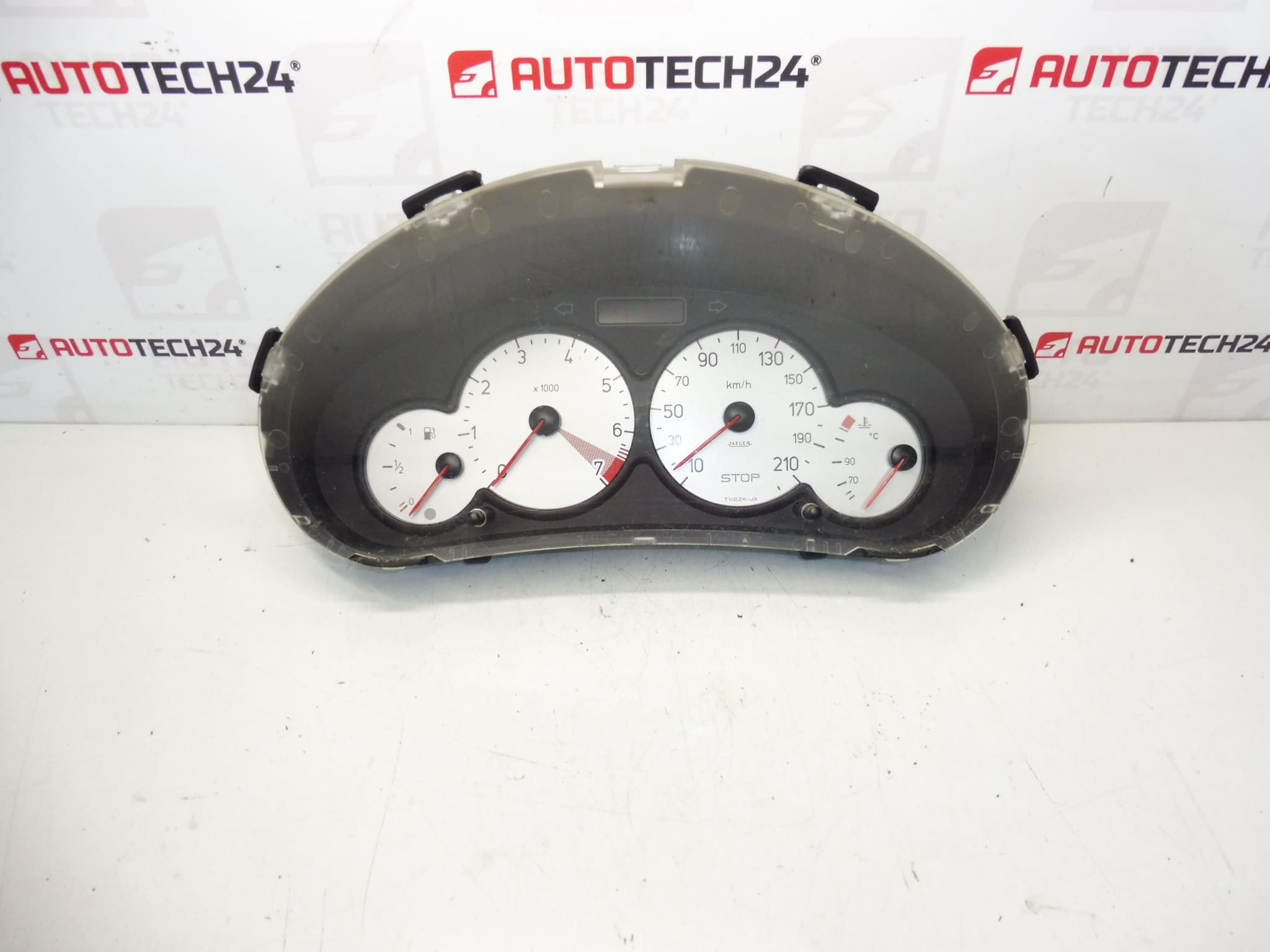
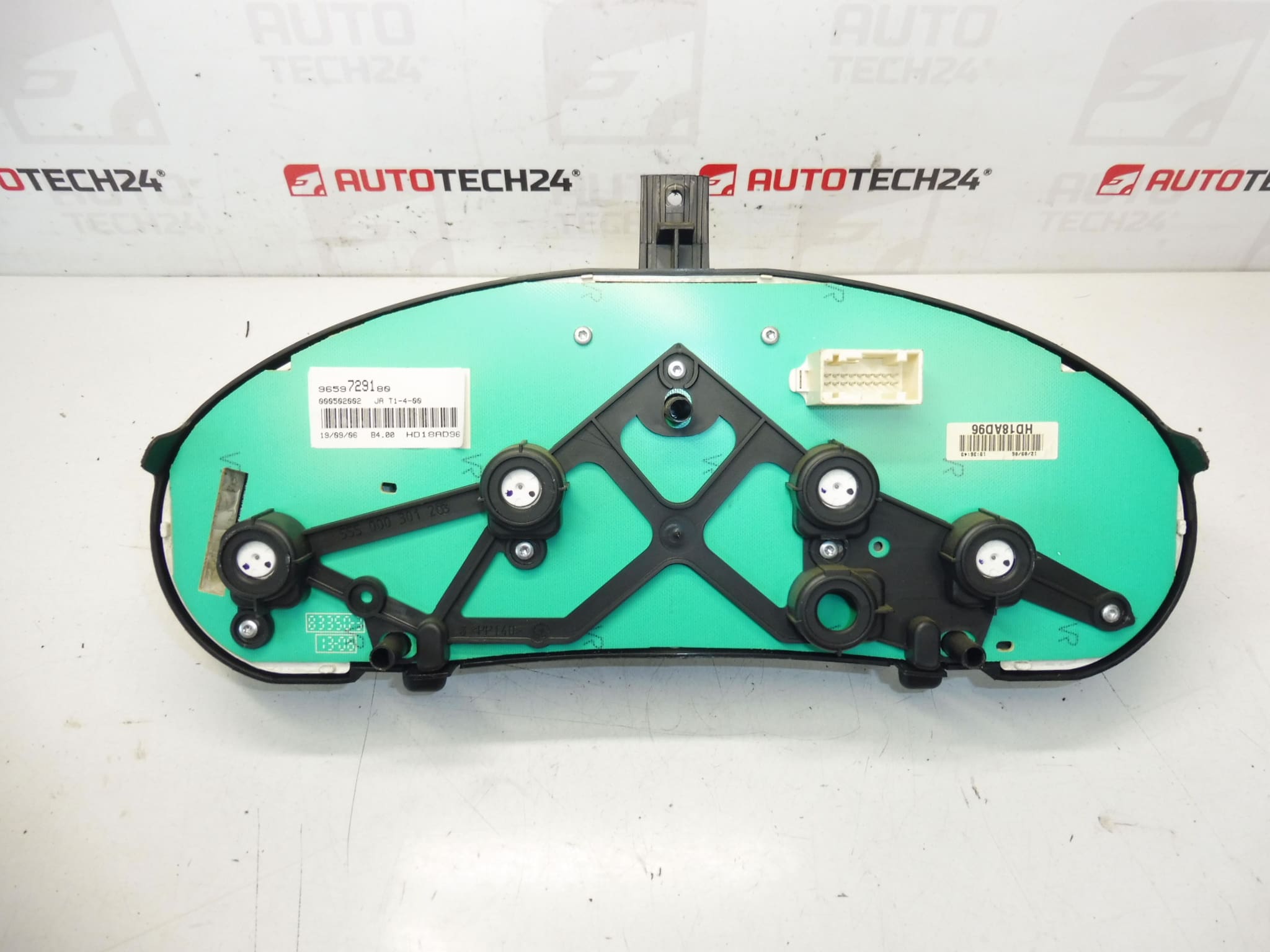
Speedometer instrument cluster from a Peugeot 206 1.4 i 2006. Removed from a vehicle with unknown mileage.
This used instrument cluster is a direct replacement for Peugeot 206 dash consoles carrying part numbers 9659729180 / 6106LL / 6106LN. Ideal for professional workshops and DIY mechanics searching by product code — the unit restores full speedometer, tachometer and instrument illumination functions and helps return reliability to older 206 models. Listing includes clear product codes to improve findability in online searches and to speed up part identification.
Function And Application
The instrument cluster displays vehicle speed, engine RPM, fuel level, warning lights and other driver information. It is designed for petrol engines (1.4 i) of the Peugeot 206 family and is the central dashboard module for visual vehicle status. Replacing a faulty cluster solves inaccurate speed readings, dead gauges or intermittent warning lights.
How To Replace
Basic replacement steps (general guidance for experienced mechanics and competent DIYers):
- Disconnect the negative battery terminal before starting to avoid electrical damage.
- Remove the surrounding trim and steering column shrouds to access the cluster fixing screws.
- Unscrew the cluster fasteners, carefully pull the instrument cluster forward and disconnect the wiring connectors.
- Fit the replacement cluster, reconnect the wiring harness, refit screws and trim, then reconnect the battery.
- Verify all gauges, warning lamps and illumination work correctly during a short road test or ignition cycle.
Technical Information
- Manufacturer: Peugeot (Stellantis)
- Model: Peugeot 206 1.4 i (2006)
- Product Codes: 9659729180, 6106LL, 6106LN
- Additional Numbers: NFP
Installation Recommendations
- Always isolate the battery before removing the cluster to prevent short circuits and data corruption.
- Handle connectors and printed circuit board areas with care to avoid bending pins or breaking solder joints.
- When replacing, compare part numbers and connector types to ensure an exact match; clusters with different software/firmware revisions may behave differently.
- If gauges remain inoperative after swap, check vehicle fuses, ground points and instrument cluster connectors for corrosion or poor contact.
Why This Part Commonly Fails
Instrument clusters of this generation commonly develop faults due to aging internal components: stepper motors that drive analog needles can seize or lose accuracy, backlight LEDs and bulbs dim over time, and solder joints on the PCB may crack from thermal cycling or vibration. Corrosion or water ingress and electrical surges can also cause intermittent failures or loss of functions. Regular wear and long vehicle service life are the most frequent causes of cluster replacement.