Description
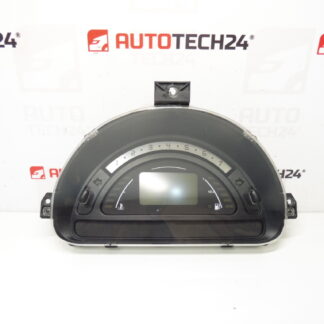
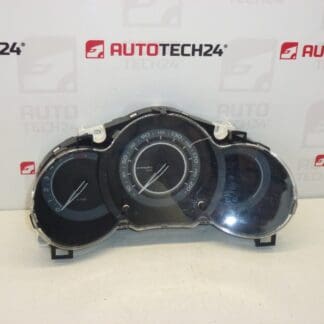
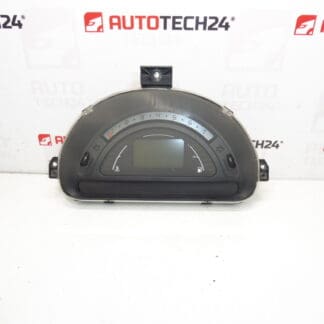
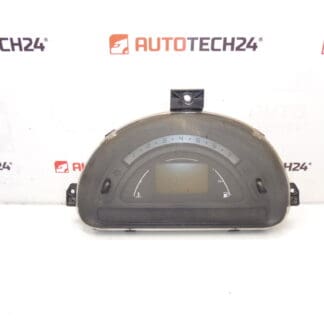
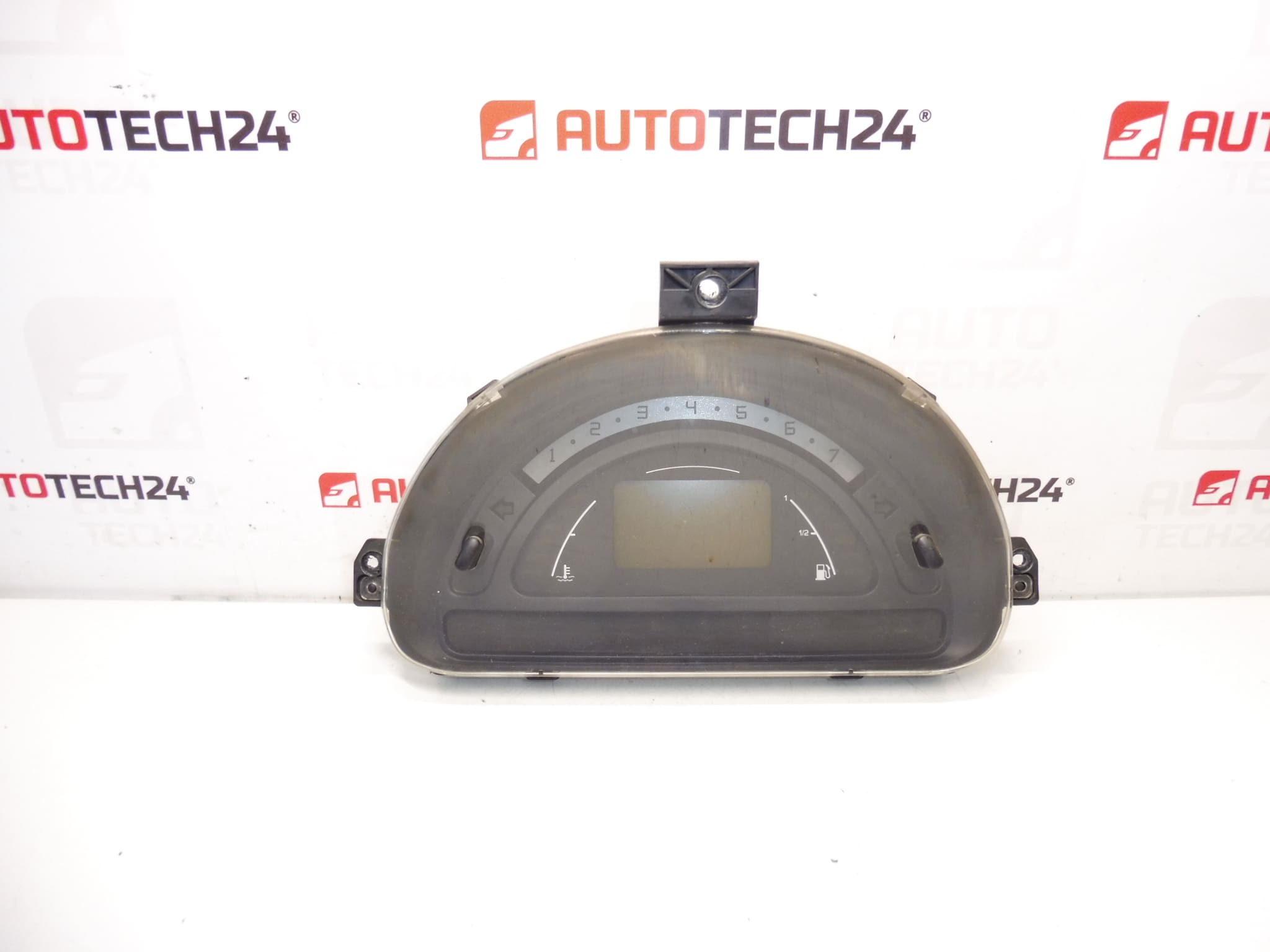
Complete combined SAGEM instrument cluster for CITroën C2, C3 1.4 HDi. Removed from a vehicle with approximately 350000 km.
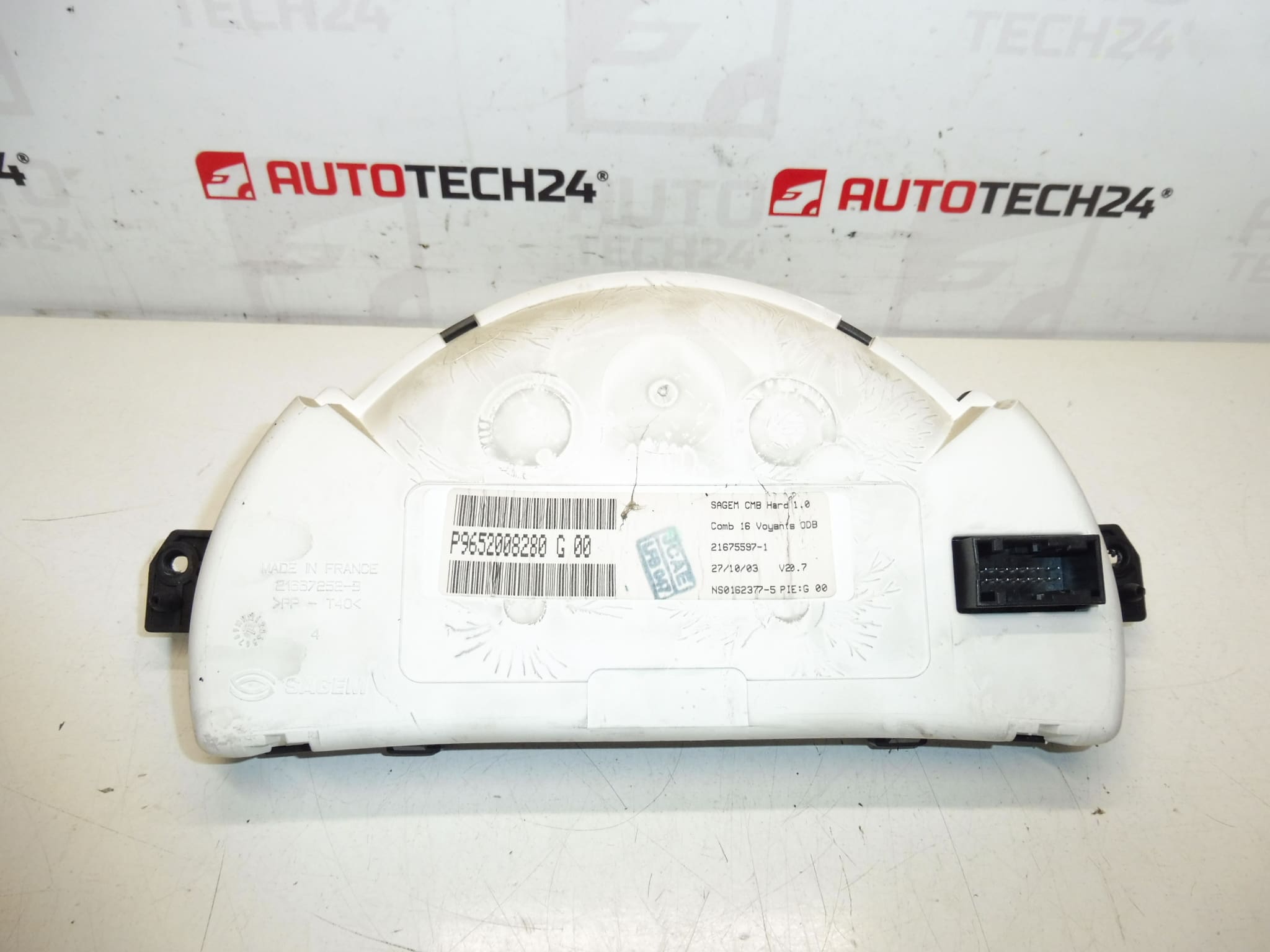
This original SAGEM instrument cluster (part numbers P9652008280 / 9652008280 / 6105EV) is a direct-fit replacement for first-generation Citroën C2 and C3 1.4 HDi models, including C3 Pluriel. Designed for professional workshops and experienced DIY mechanics, the unit restores accurate speed, engine RPM, odometer/trip, fuel level and warning-lamp indications in vehicles where the dashboard instruments have failed or become intermittent. Many customers search by product codes 9652008280 and 6105EV — including these identifiers in your project search will speed up finding the correct unit.
Technical Information
- Manufacturer: SAGEM (Used On Citroën / Peugeot Vehicles)
- Model: Citroën C2, Citroën C3, Citroën C3 Pluriel 1.4 HDi (First Generation)
- Product Codes: P9652008280, 9652008280, 6105EV
- Other Numbers: G 00 (As Marked On Unit)
Function And Compatibility
The cluster is a complete combined instrument panel manufactured by SAGEM. It provides speedometer, tachometer (RPM), odometer/trip meter, fuel gauge, warning lights (engine, ABS, airbag, etc.), and panel illumination. It is compatible with the listed Citroën models when the original wiring and connectors match the unit’s plug configuration. This is an OEM-style unit intended to replace a failing dashboard instrument without major modifications when the part numbers match.
Installation Recommendations
- Disconnect The Negative Battery Terminal Before Starting Work To Avoid Short Circuits And Fault Codes.
- Remove Surrounding Trim Panels And Unscrew The Cluster Fasteners; Pull The Cluster Forward Carefully.
- Unplug Electrical Connectors By Releasing Locks Gently; Avoid Pulling On Wires.
- Fit The Replacement Unit In Reverse Order, Reconnect The Battery And Verify All Functions: Speedometer, Tachometer, Odometer, Fuel Gauge, Warning Lights And Illumination.
- If The New Cluster Shows Different Part Numbers Or Unexpected Behavior, Recheck Connector Seating And Ground Connections; In Some Cases Adaptation/Coding May Be Required For Full Integration.
Most Common Failure Causes
Instrument clusters on high-mileage Citroën C2/C3 vehicles typically fail due to: degraded solder joints on the printed circuit board caused by heat and vibration; worn stepper motors or analogue gauge drives; failing backlight or damaged LCD segments; and corrosion from moisture ingress. High mileage (as indicated by the donor vehicle) increases the likelihood of wear-related issues. Symptoms include flickering or non-moving needles, intermittent display segments, no illumination, or loss of certain warning-light functions.
Practical Notes For Mechanics And DIYers
Keep a record of the donor unit’s odometer reading and be aware that mileage shown on a used cluster reflects the donor car’s value. When replacing a cluster, confirm connector type and mounting points to ensure a straight swap. For workshops, having basic diagnostic tools and a stable 12 V supply during bench testing speeds confirmation of correct operation before refitting into the vehicle.
This unit is suitable for professionals and competent DIY mechanics who need a cost-effective OEM-style replacement for Citroën C2/C3 1.4 HDi dashboards. Searching by part numbers P9652008280, 9652008280 or 6105EV will help locate identical items and ensure compatibility with the vehicle wiring harness.