Description
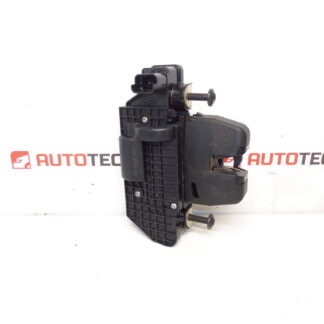
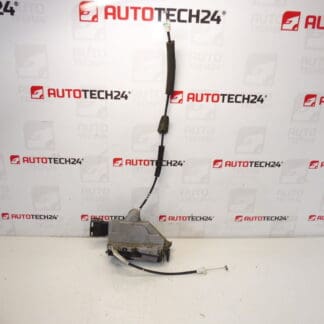
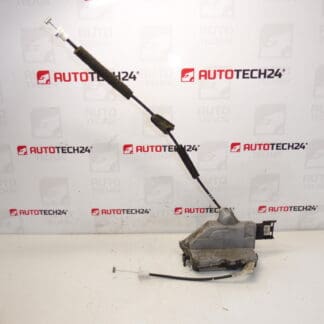
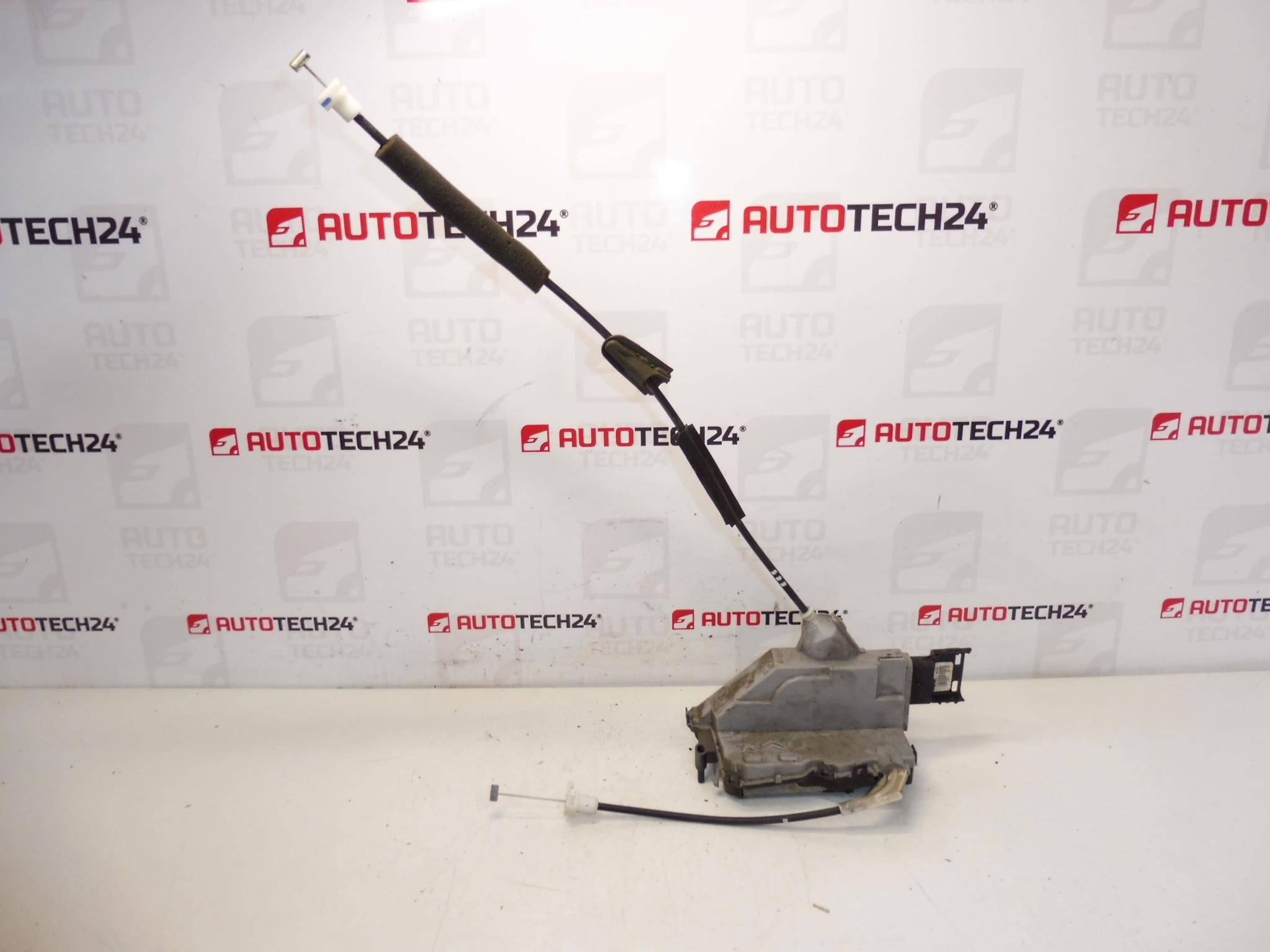
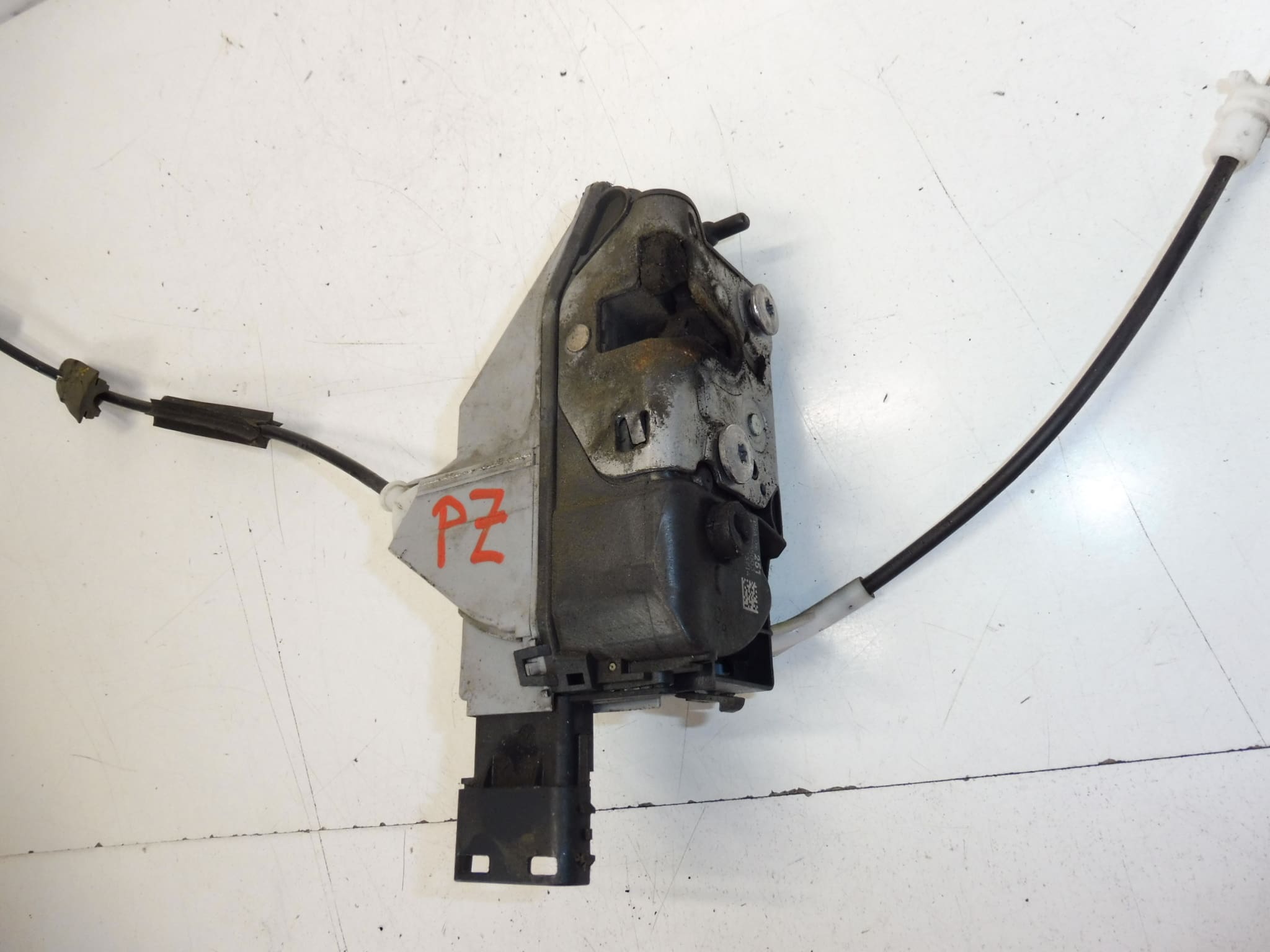
Right rear door lock for Citroën C3 II A51 cars
Side – door behind the driver
Part description
Used original part designed for Citroën C3 II A51 cars. This is the right rear door lock which is an important part of the door closing and locking mechanism. This car part is searched mainly by product number, which facilitates correct identification when repairing or replacing a damaged lock.
The door lock is often changed in the event of a central locking failure, mechanical wear or problems with opening or closing the door. For auto mechanics and home repairers, this used part is a practical choice when restoring the full functionality of the door mechanism.
Technical information
- Manufacturer: Stellantis Citroën Peugeot
- Model: Citroën C3 II A51
- Other numbers: 9800625180
Product codes
- Product codes: 9800625180
- Model names: Citroën C3 II
Installation recommendations
Generally/typically for a door lock, the exact replacement procedure may vary depending on the specific design of the car and the door mechanism.
1) Before assembly
- Check that the new used part matches the old part in shape, fit, connector and position of the rods or controls.
- Compare the product number 9800625180 with the existing part if it is legible on the original lock.
- Check the condition of the connector, latch, mechanical parts and any signs of damage after shipping or disassembly.
- Before starting work, secure the vehicle against movement and work carefully to avoid damaging the door trim.
2) Necessary tools and materials
- Set of common hand tools
- Screwdrivers and bits corresponding to the type of fastener
- Plastic levers for panel removal
- Work gloves and light
- Cleaning agent for removing dirt from around the assembly
3) Step-by-step assembly procedure
- Open the door and prepare your work area so that there is good access to the inside of the door.
- Carefully remove the inner door trim and set all fasteners aside.
- Remove coverings or protective layers if they prevent access to the lock.
- Disconnect the lock electrical connector if the part is equipped with one.
- Release the rods, cables or other mechanical ties that are attached to the lock.
- Unscrew the fixing of the original lock and carefully remove it from the door.
- Compare the original and the new part side by side, especially the mounting, connectors and position of the controls.
- Insert the used lock into place and seat it into the correct position without force.
- Reinstall the fasteners and connect the connector and mechanical control.
- Before refitting the trim, test the basic opening, closing and locking function.
- If everything is working properly, put back the protective layers and door trim.
- Do a final check to make sure nothing is rubbing, loose or poorly seated.
-
4) Post-assembly checks and test drive/function verification
- Try opening and closing the door several times from the outside and inside.
- Verify proper locking and unlocking.
- Check that the door fits correctly and that the lock holds it securely in the closed position.
- When driving, check that there are no non-standard sounds coming from the door area caused by a part or panel not fitting properly.
5) The most common assembly mistakes + how to avoid them
- Part Interchange – Always compare shape, connector and part number before assembly.
- Door panel damage – use suitable plastic levers and do not work with brute force.
- Poorly connected rod or connector – always check for free movement and secure seating after connection.
- Insufficient seat of the lock – the lock must sit exactly in the installation position, otherwise there may be problems with closing the door.
- Skip the functional test before folding the door – first verify the function, only then return the complete paneling.
Reasons why the part is damaged
- Normal mechanical wear from frequent use of the door
- Internal lock mechanism failure
- Moisture, dirt and corrosion in the door area
- Damage after forcefully opening or slamming the door
- Defect in downstream parts of the locking control