Description
Rear window wiper motor for Stellantis vehicles
Tested and fully functional
Part description
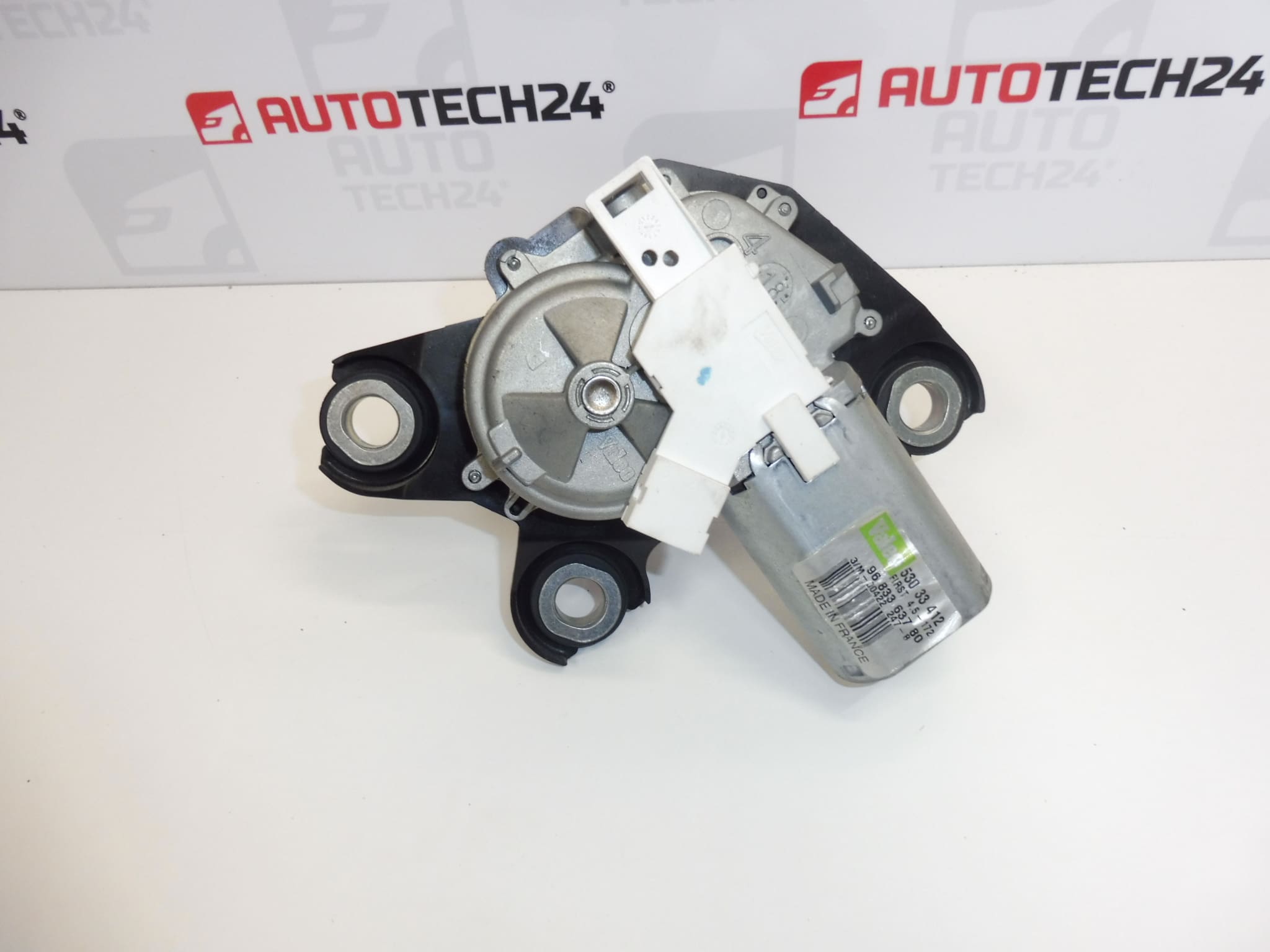
The used Citroën Peugeot rear wiper motor powers the rear window wiper and helps maintain visibility in the rain and when the glass is dirty. It is a suitable solution when repairing a non-functioning rear wiper, if the motor itself has been identified as the cause of the fault. According to the description provided, this unit has been tested and is fully functional.
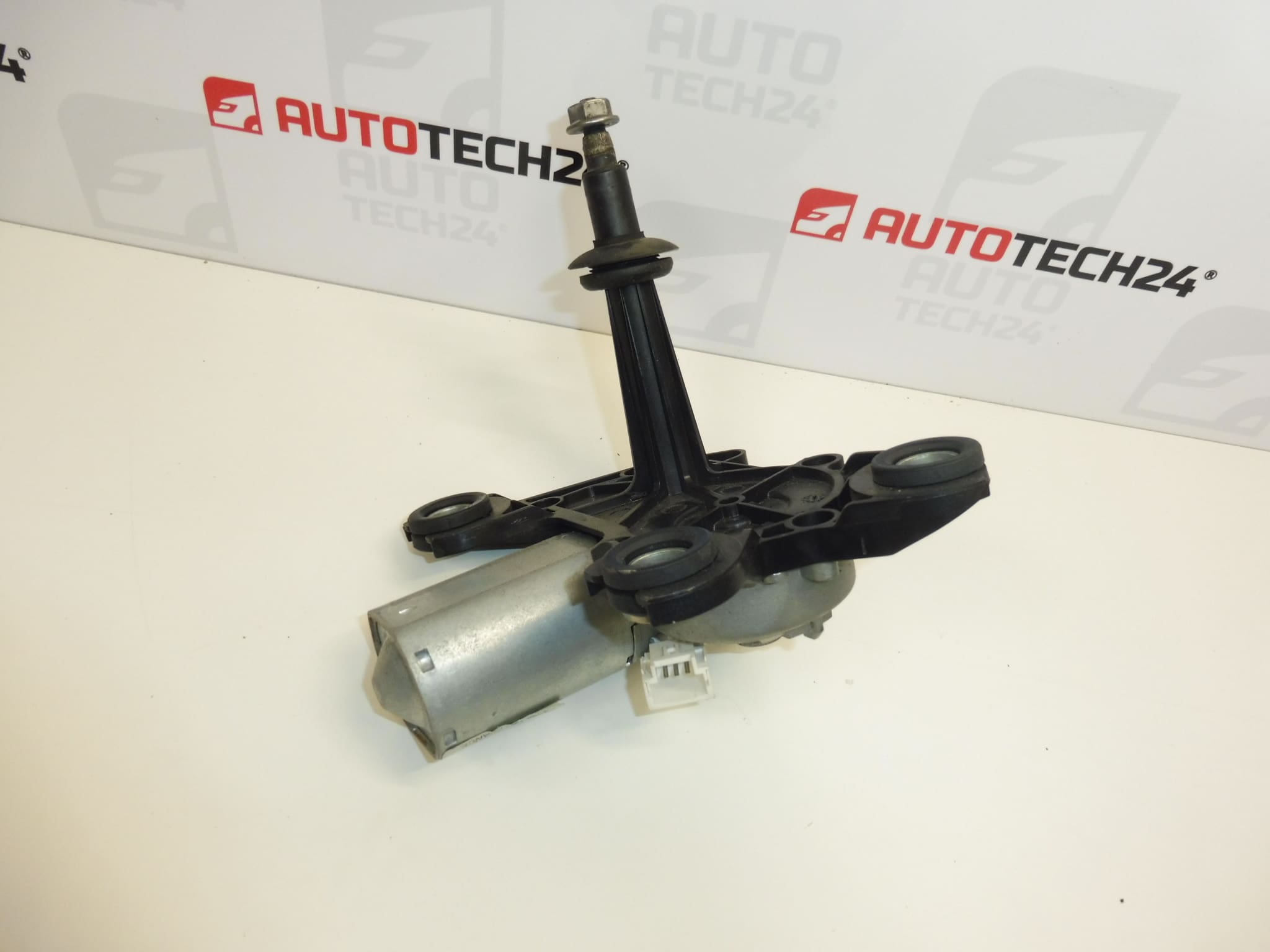
When looking for a replacement part, use the designations 53033412 and 9683363780 in particular. The source materials also list the numbers 6405LP and 9840123780. Before replacing the part, compare the original part number, connector, mounting points and output shaft design. A used, functional motor is a practical alternative to buying a new part.
Technical information
- Manufacturer: not specified; the source materials list the Stellantis Citroën Peugeot designation.
- Model: Citroen C5 X7 — according to the supplied label.
- Part type: electric rear window wiper motor.
- Condition: used; according to the description provided, tested and fully functional.
- Additional numbers: 6405LP, 9840123780.
- Catalog applications: Berlingo K9, FIAT DOBLO III, Opel Combo E K9, RIFTER, Toyota Proace City.
The model label and catalog applications do not match in the source materials. Therefore, do not treat the model name alone as confirmation of compatibility; the matching part number and part design for the specific vehicle are decisive.
Product codes
- Product codes: 53033412, 9683363780, 6405LP, 9840123780.
The numbers are taken from the supplied source materials and make it easier to find a rear wiper motor. Their interchangeability across all vehicle versions is not confirmed in the source materials.
Installation recommendations
The following procedure generally applies to this type of part. The exact method of access, fastening and arm adjustment depends on the specific vehicle model and configuration. Follow the manufacturer’s service procedure.
1) Before installation
- Compare the numbers on the old and replacement motors, the connector shape, number of contacts, mounting points and shaft design.
- Inspect the housing, connector and shaft of the used part. Check for cracks, corrosion or damaged contacts.
- Before replacing the motor, check the power supply, ground connection, relevant fuses and wiring. A non-functioning wiper does not necessarily mean the motor is faulty.
- Check the wiper arm, blade and any seal around the shaft opening. Mechanical binding or water ingress can also damage the replacement part.
2) Tools and materials required
You will typically need a set of wrenches and sockets, suitable screwdrivers, plastic trim removal tools, a multimeter, a product suitable for cleaning electrical contacts and clean cloths. A suitable puller may be required if the wiper arm is seized. Replace damaged fasteners or seals as required by the vehicle manufacturer.
3) Step-by-step installation procedure
- Park the vehicle safely, switch off the wipers and ignition. If the original motor works, let the wiper move to its parked position.
- Record the position of the arm on the glass. If the wiper stopped in the wrong position, determine the initial setting using the service documentation.
- Disconnect the battery in accordance with the vehicle manufacturer’s procedure and secure it to prevent accidental reconnection.
- Remove the necessary covers and trim according to the vehicle’s design. Release clips carefully to avoid breaking them.
- If the arm must be removed to take out the motor, loosen its fastener and carefully pull it off. Do not lever against the glass or strike the shaft.
- Release the electrical connector lock and disconnect it without pulling on the wires. Inspect the contacts and surrounding wiring.
- Support the motor, release its fasteners and remove it. Note the order of any washers, bushings and seals.
- Clean the mating surfaces and check the condition of the fasteners and seals. Before fitting the replacement motor, eliminate the cause of any water ingress or mechanical resistance.
- Fit the replacement motor without putting it under strain, position the seals and fasteners correctly, and tighten the connections according to the service documentation. Connect the connector and route the wiring safely.
- Restore the power supply according to the manufacturer’s procedure and allow the motor to move to the parked position before finally fitting the arm. Do not touch the shaft or mechanism while it is moving.
- Switch off the ignition and ensure the drive cannot be activated again before handling it. Fit the arm in the correct position, secure it according to the manufacturer’s instructions, and reinstall the covers and trim.
4) Post-installation checks and function verification
Test the wiper on a wet window. Check for smooth operation, the correct wiping range and return to the parked position. The arm must not hit nearby parts or wipe beyond the glass. Listen for any unusual noises and check the fastenings and the seal around the shaft opening, if present in the specific configuration. Perform the basic function test while the vehicle is stationary before taking it for a test drive.
5) Common installation mistakes and how to avoid them
- Fitting the arm outside the parked position: first allow the motor to park correctly, then position the arm.
- Forcibly pulling off a seized arm: use a suitable tool and protect the glass and shaft.
- Leaving a leak or binding unresolved: eliminate the original cause of the fault before installation.
- Connector not fully engaged or wires pinched: check that the connector is locked and the wiring is routed correctly before refitting the trim.
- Testing on a dry or frozen window: wet the glass and check that the wiper blade is not frozen in place.
Reasons why the part may become damaged
Common causes of damage to rear wiper motors include:
- Water ingress and corrosion due to a leak around the shaft or electrical connection.
- Drive overload when the blade is frozen, snow has accumulated or the wiper is mechanically blocked.
- Shaft or mechanism binding, which increases resistance and puts more strain on the motor.
- Wear of electrical and transmission components during prolonged use.
- Improper handling, such as striking the shaft or fitting the arm incorrectly.
These are general causes of failure for this type of part, not faults identified in the offered unit. It is worth eliminating the original cause of the problem before replacement to avoid unnecessary strain on the replacement motor.