Description
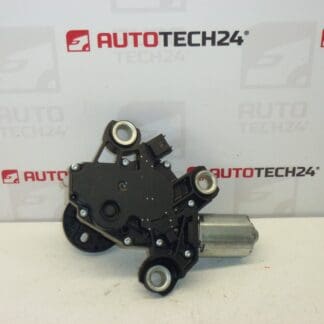
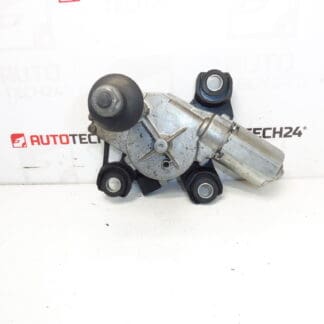
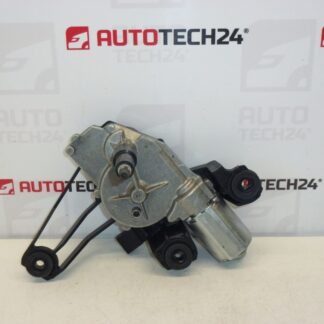
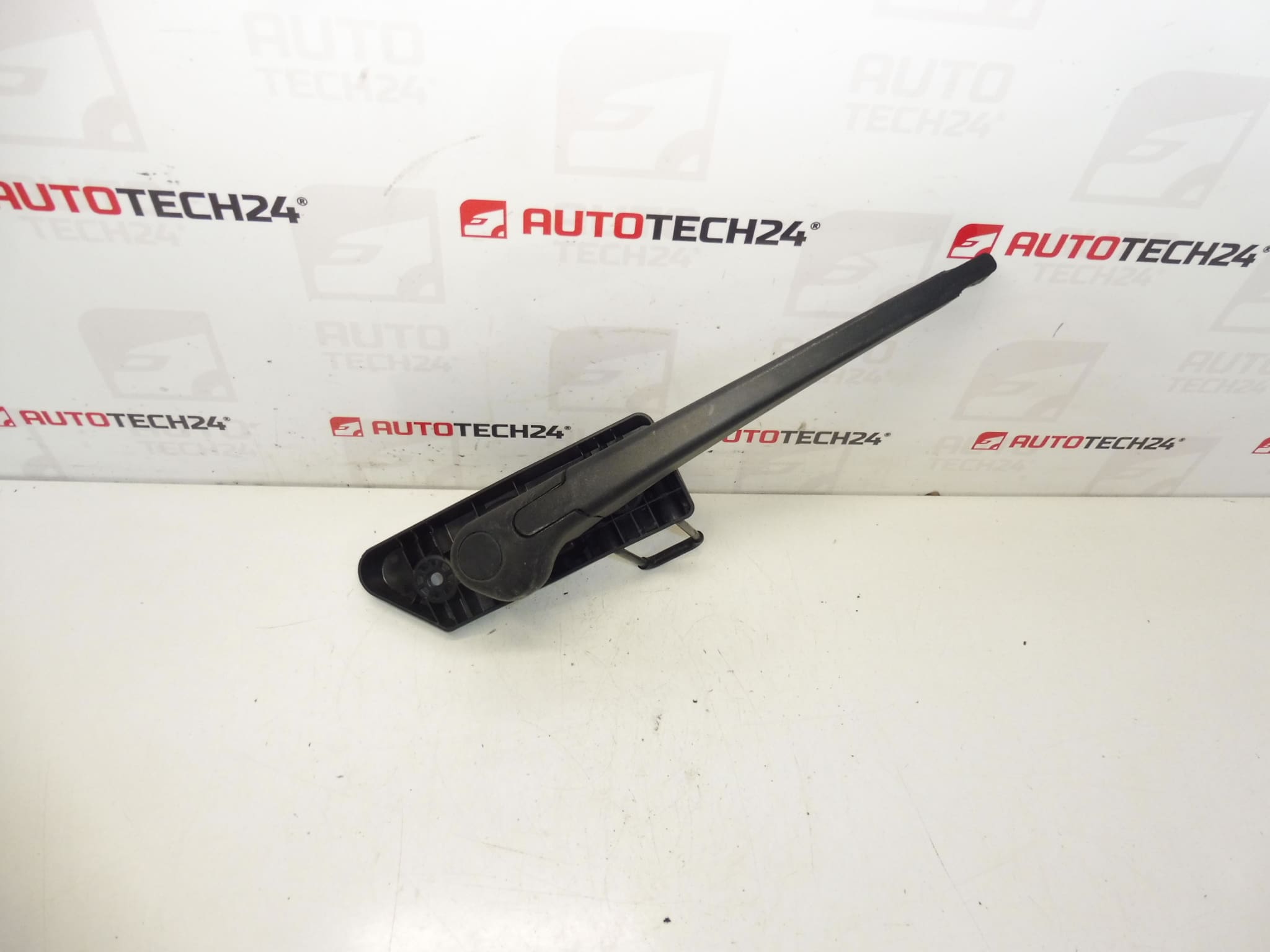
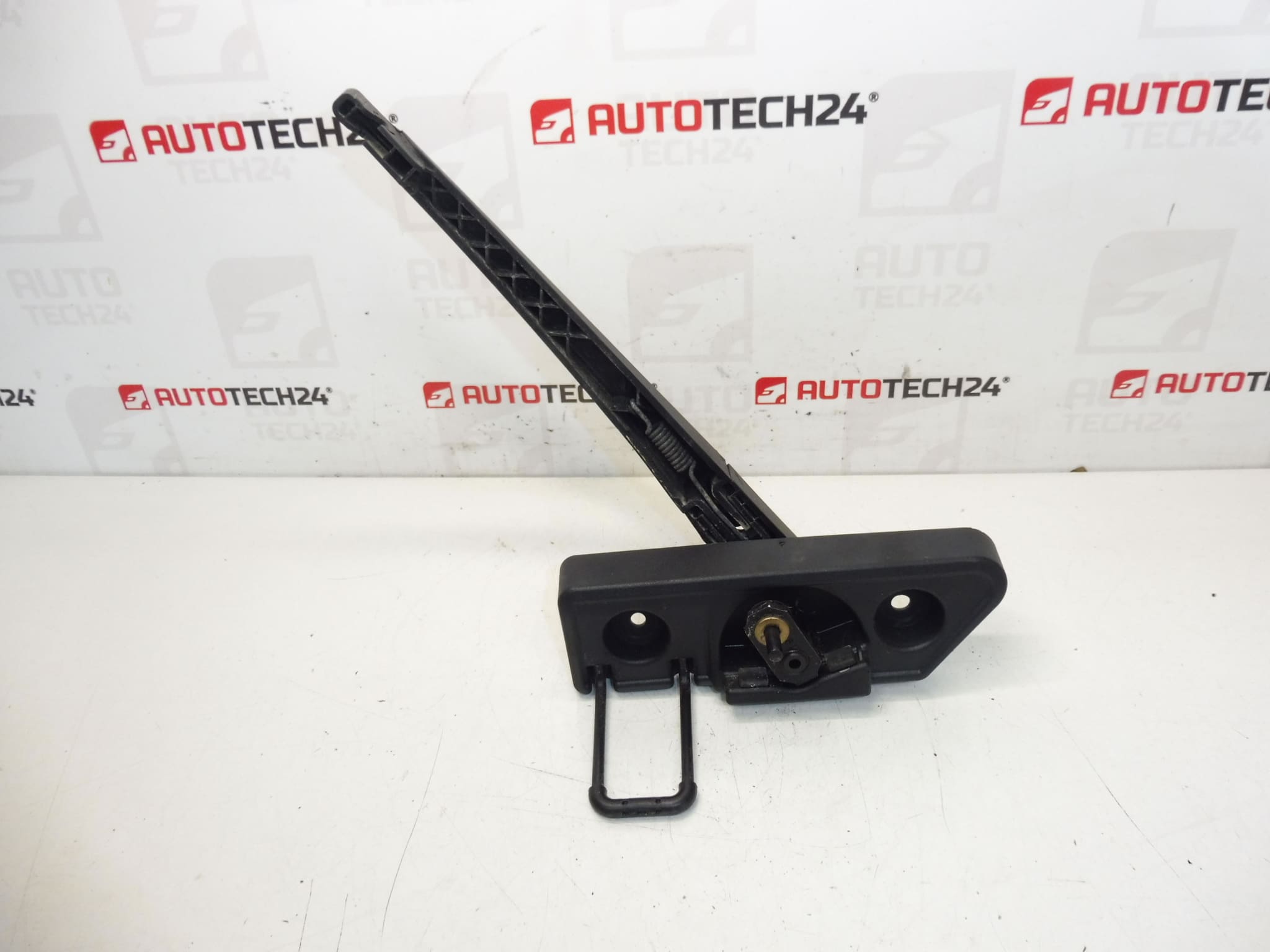
Rear Wiper Shaft Bearing For Citroën C4 Picasso And Grand Picasso With Lift-Up Tailgate Up To 2013
This rear wiper shaft bearing is a direct-fit replacement part designed for Citroën C4 Picasso and Grand Picasso models equipped with a lift-up tailgate. It restores correct axial and rotational support to the rear wiper shaft, eliminating excessive play, noise and irregular wiping that occur when the original bearing is worn or corroded. Part numbers commonly searched for: 9654116177, 3398005649, 6405EE.
Product Overview
The bearing supports the rear wiper spindle inside the tailgate mechanism. Over time the bearing or its plastic housing can wear, seize or allow water and dirt ingress, which causes the wiper to wobble, skip or stop moving. Replacing the bearing returns accurate alignment and smooth operation, extending the life of the wiper motor and linkage.
Technical Information
- Manufacturer: Stellantis (Citroën / Peugeot)
- Model: Citroën C4 Picasso; Citroën C4 Grand Picasso (With Lift-Up Tailgate), Up To 2013
- Product Codes: 9654116177; 3398005649; 6405EE
- Additional Numbers: 6405EE (Cross Reference)
Compatibility
Fits Citroën C4 Picasso and C4 Grand Picasso models with the opening (lift-up) rear tailgate produced up to 2013. Verify model year and tailgate type before ordering. Commonly looked-up OE numbers: 9654116177, 3398005649, 6405EE.
Installation Recommendation
- Recommended For: Experienced DIYers and Professional Mechanics.
- Estimated Time: 30–60 minutes depending on access and trim removal experience.
- Basic Steps: Remove rear wiper arm, detach inner tailgate trim, disconnect electrical connector to rear wiper motor where applicable, unbolt the wiper motor/mechanism or release retaining clips to access the shaft bearing, press out the old bearing and install the new one, reassemble in reverse order and check wiper park position and sweep.
- Safety Note: When working near electrical components, isolate the vehicle electrical system according to the manufacturer’s recommendations (disconnection of the negative battery terminal is advised when removing the motor or connectors). Follow torque and reassembly procedures from the vehicle manual.
- Additional Advice: Inspect the wiper arm, linkage and motor for wear while replacing the bearing. Replace corroded fasteners and lubricate moving pivot points with appropriate grease.
Most Common Failure Reasons
- Water Ingress And Corrosion: Seal failure allows moisture to reach the bearing, causing corrosion and seizure.
- Mechanical Wear: Long-term friction and load cause the bearing or plastic carrier to wear, producing axial play and wobble.
- Contamination: Road dirt and salt accelerate abrasion and deterioration of the bearing surfaces.
- Impact Or Misalignment: Damage to the wiper arm or improper installation can overload the bearing and shorten its life.
Why Choose This Replacement
Using the correct rear wiper shaft bearing specified by OE cross-references (9654116177 / 3398005649 / 6405EE) restores reliable rear wiper function, reduces risk of motor overload and prevents water entry into the tailgate cavity. Ideal for workshops and competent DIY mechanics looking to eliminate play and noise from the rear wiper system.
Practical Tips
- Check the condition of the wiper motor brushes and linkage while the mechanism is exposed; replacing the bearing alone is often enough but worn motor/linkage will cause repeat failures.
- After installation, verify the wiper park position and full sweep to ensure no binding occurs.
- Keep the list of OE numbers handy for quick search: 9654116177, 3398005649, 6405EE.