Description
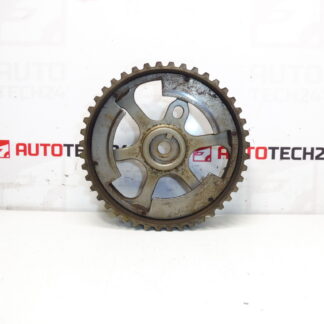
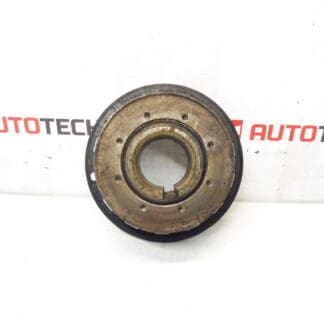
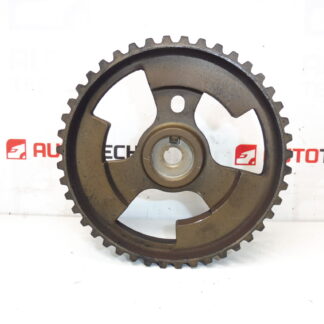
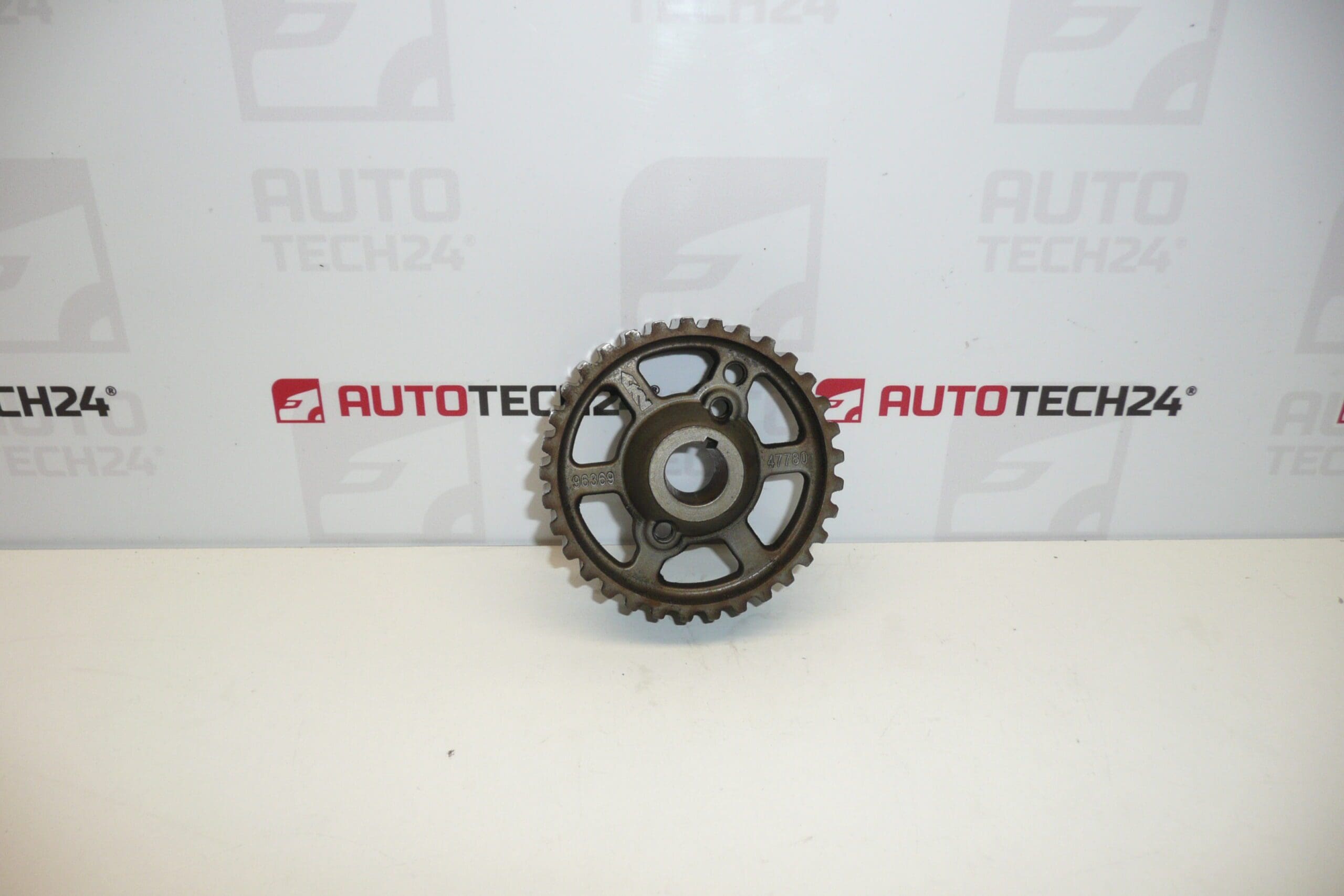
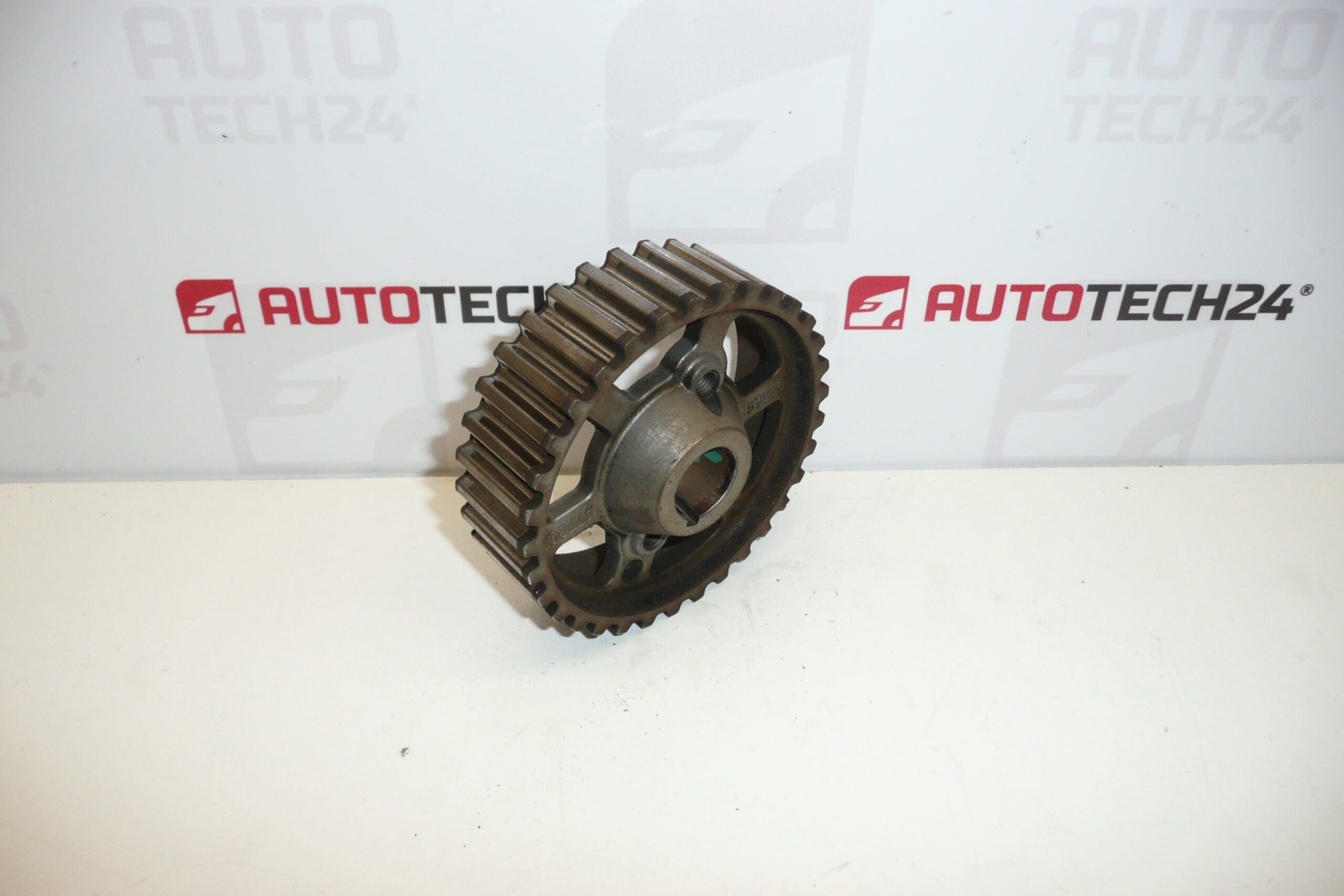
Injection Pump Gear For 1.4 HDi And 1.6 HDi Engines For Citroën And Peugeot Vehicles
This high-quality injection pump gear (pump pulley) is designed for 1.4 HDi and 1.6 HDi diesel engines used across many Citroën and Peugeot models. Supplied with OE references 9636947780 and 193040, the part is ideal for professional garages and skilled DIY mechanics who need a direct-fit replacement to restore precise fuel injection timing and reliable engine performance. The robust design ensures long service life when installed correctly and combined with proper timing belt and tensioner maintenance.
Technical Information
- Manufacturer: Stellantis / Citroën / Peugeot
- Model: 1.4 HDi, 1.6 HDi; Common Fitment: Citroën Berlingo, C2, C3, C4; Peugeot 206, 207, Partner
- Product Codes: 9636947780, 193040
- Other Numbers: OE References As Above
Compatibility And Fitment Notes
The gear fits injection pumps on a range of PSA-stamped 1.4 HDi and 1.6 HDi units. These parts are commonly searched by OE code (9636947780 / 193040) — use those numbers when checking fitment. Compatibility applies to the listed Citroën and Peugeot models, but always verify physical match with the removed component before final installation.
Function
The injection pump gear transmits rotational motion from the timing belt/drive system to the high-pressure fuel pump, ensuring correct fuel injection timing. Accurate meshing and secure mounting of the gear are critical for injection timing, engine smoothness, emissions, and fuel economy.
Common Failure Causes
- Wear Of Teeth: Gradual tooth wear from long-term use or contaminated oil can lead to poor engagement.
- Belt/ Tensioner Issues: A failing timing belt or tensioner can cause slippage, abnormal loads or sudden shocks that damage the gear.
- Corrosion Or Debris: Corrosion or foreign particles between meshing surfaces accelerate wear and can chip teeth.
- Improper Installation: Incorrect alignment or insufficient tightening can produce backlash or loosening.
Replacement Procedure (General Guidance)
- Prepare: Park vehicle on a level surface, engage parking brake, and follow manufacturer safety steps. Block wheels.
- Access: Remove engine covers, drive belt(s) and any components blocking access to the pump pulley/gear.
- Set Engine Timing: Rotate engine to specified position (usually TDC) and lock the crankshaft and injection pump as required to preserve timing marks.
- Remove Old Gear: Loosen and remove retaining fasteners. Use a suitable puller if the gear is pressed on. Inspect shaft and keyway for damage.
- Fit New Gear: Clean mating surfaces, install new gear with correct orientation and timing marks aligned. Replace any locking hardware and tighten to the manufacturer’s torque specification.
- Reassembly: Refit belt(s). Replace timing belt or tensioner if worn or if recommended whenever pump work is done. Reinstall removed components.
- Verification: Rotate engine by hand through at least two full revolutions, verify timing marks, start engine and check for smooth running, fuel leaks and correct injection timing. Bleed the fuel system if necessary.
Installation Recommendations
- Always Align Timing Marks: Proper alignment is essential. Misalignment may cause poor running or catastrophic engine damage on interference engines.
- Use Correct Tools: Employ proper pullers, presses and torque tools to avoid damaging the gear or pump shaft.
- Replace Related Wear Items: Consider replacing timing belt, tensioner and seals at the same time to prevent early failure of the new gear.
- Follow Manufacturer Torque Specs: Tighten fasteners to the specified torque and, where required, use new locking hardware or threadlocker as specified.
- Inspect For Contamination: Clean mating surfaces and check for oil or debris that could accelerate wear.
Why This Part Is Often Searched By Code
Diesel injection pump gears are commonly identified by OE numbers during parts lookup. Using product codes 9636947780 or 193040 improves the chance of finding the exact match for a given injection pump and vehicle application.
Why This Part Usually Fails
Failure most often results from long-term wear combined with related drive system problems — worn timing belts, failing tensioners, contamination or incorrect installation. Addressing the entire timing and drive system during replacement minimizes the risk of repeat failures.
Additional Advice For Mechanics
For professional shops: document the pump timing before removal and verify timing after installation. For experienced DIYers: if in doubt about timing procedures or fuel system bleeding, seek workshop support. Proper installation restores accurate injection timing, reduces smoke and rough idle, and helps maintain fuel economy.