Description
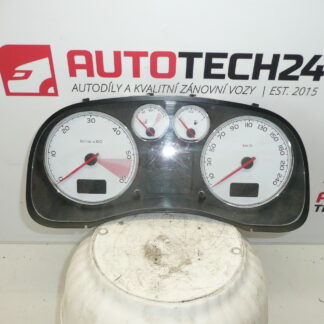
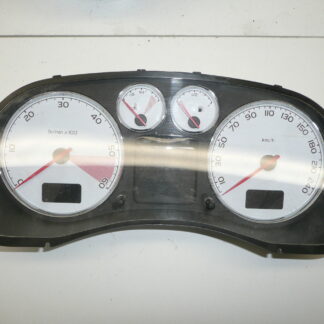
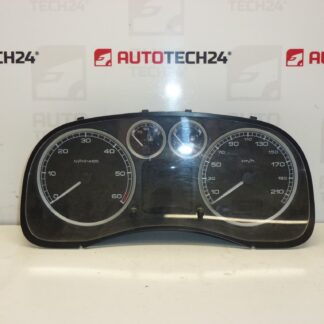
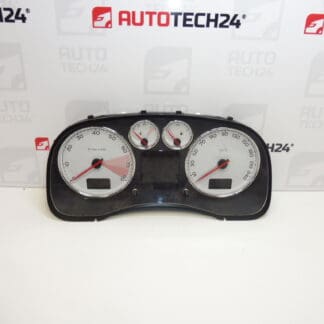
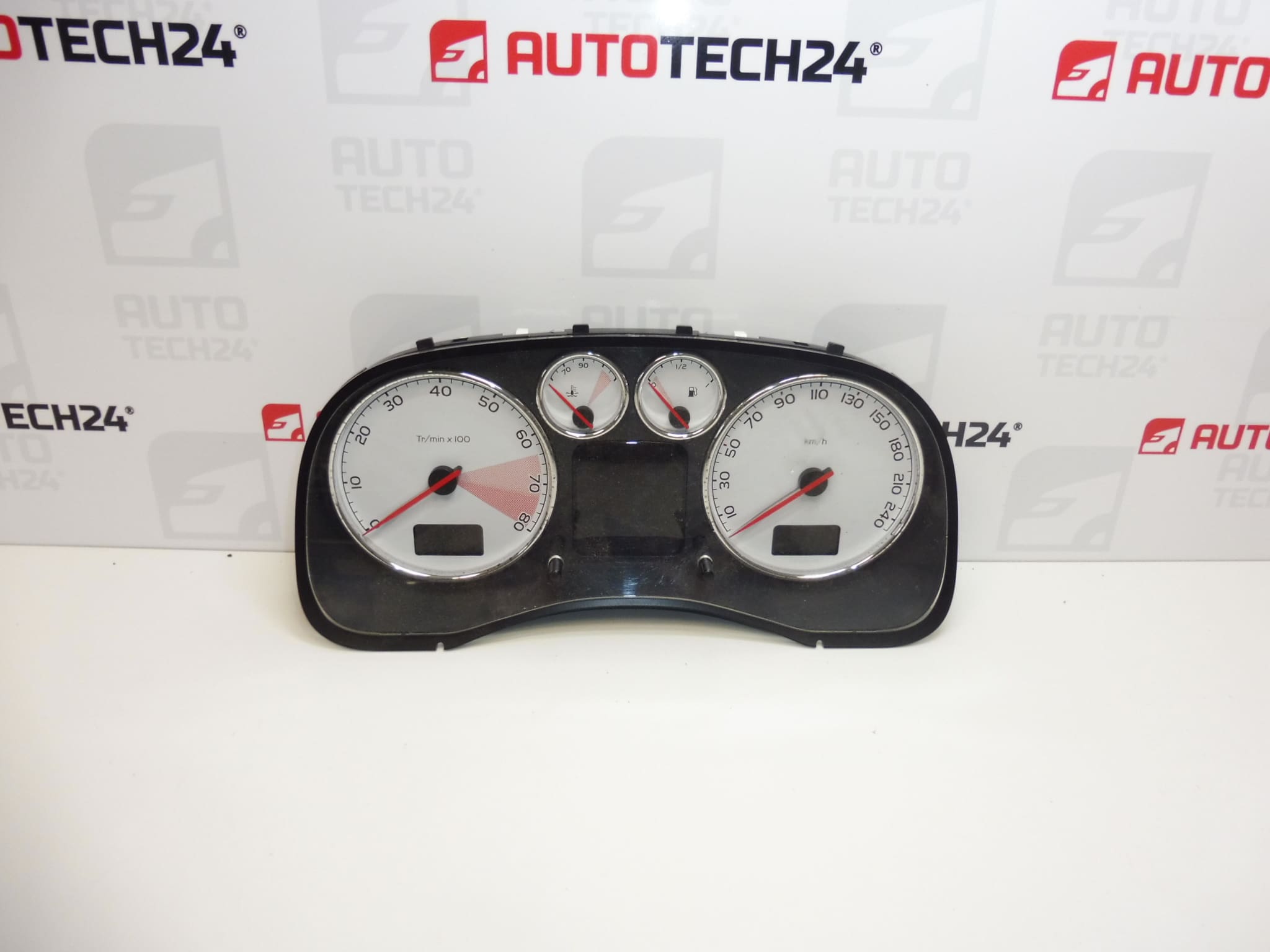
Speedometer for Peugeot 307 and 307 CC with 2.0 16V engine. From a vehicle with 252,000 km mileage.
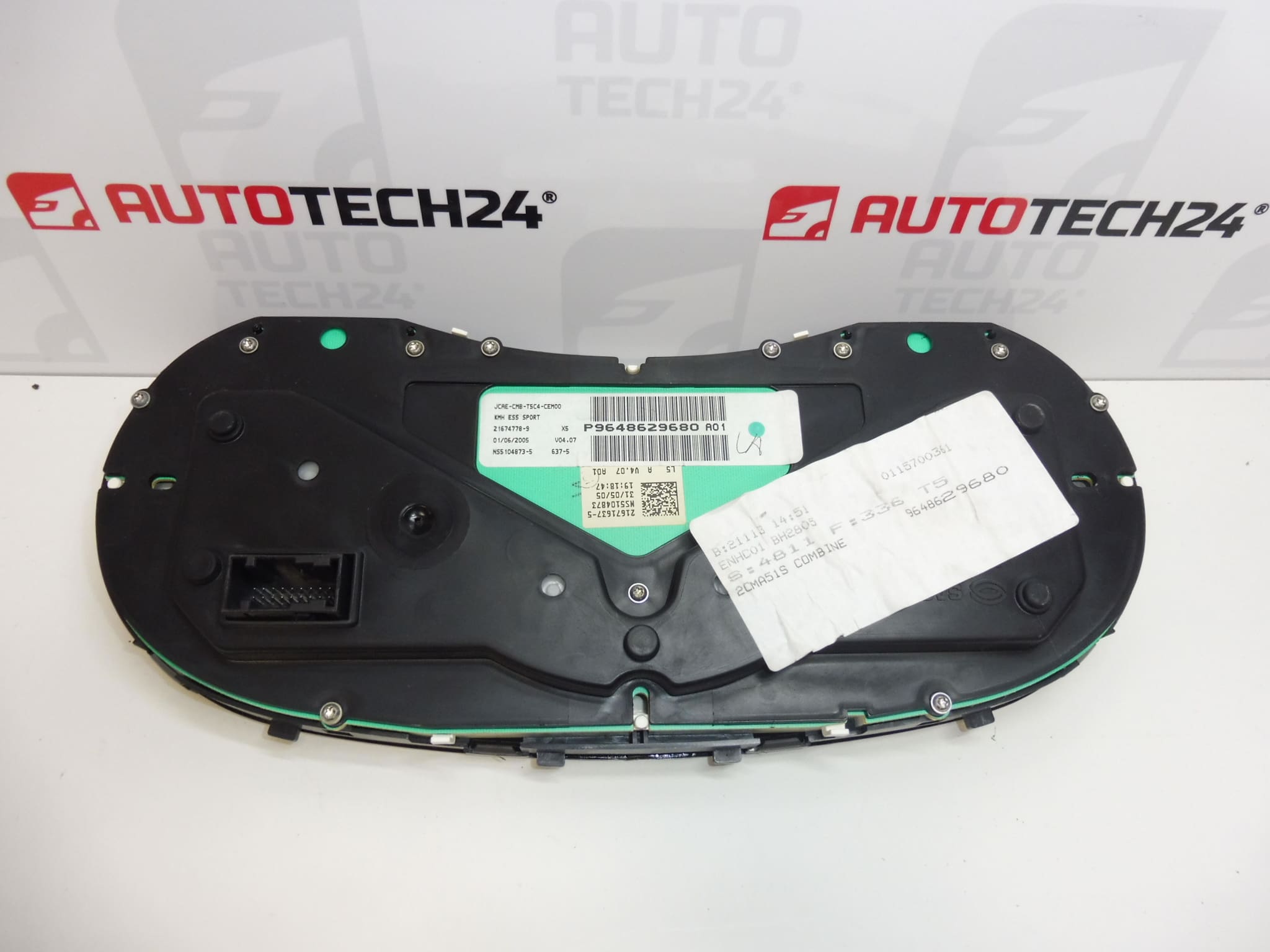
This used instrument cluster is a direct-fit speedometer and tachometer assembly for Peugeot 307 models (including 307 CC) equipped with the 2.0 16V engine. The unit is ideal for professional workshops and competent DIY mechanics looking to replace a faulty or visually damaged dashboard cluster. It carries original part references commonly searched by technicians, which increases discoverability in parts searches and helps you match the correct unit quickly.
Technical Information
- Manufacturer: Stellantis / Peugeot
- Model: Peugeot 307, Peugeot 307 CC (2.0 16V)
- Product Codes: 9648629680, P9648629680
- Additional Numbers: A01, 6103J6, NFP
- Condition: Used, Removed From Vehicle With 252,000 Km
Function And Typical Faults
The instrument cluster displays vehicle speed, engine RPM, fuel level and warning indicators. Common failure modes include malfunctioning stepper motors or gauges, failing backlighting/LEDs, intermittent electrical contacts or connector corrosion, cracked solder joints on the PCB (often caused by thermal cycling), and damage from moisture or voltage spikes. Lifespan varies with vehicle use and environment; clusters can last many years but problems are more likely after high mileage or exposure to damp conditions.
Replacement Procedure
Basic removal and installation steps (for experienced mechanics or trained DIYers):
- Disconnect Battery: Always disconnect the negative terminal of the battery before starting to avoid electrical damage and airbag/airbag system faults.
- Remove Trim: Carefully remove dash trim and steering column shrouds to access the cluster. Use appropriate trim tools to avoid breaking clips.
- Unscrew Cluster: Remove the mounting screws securing the instrument cluster and gently pull the unit forward.
- Unplug Connectors: Unplug all electrical connectors from the rear of the cluster, noting their positions. Inspect connectors for bent pins or corrosion.
- Install Replacement: Fit the replacement cluster, reconnect all plugs, refit screws and trim, then reconnect the battery.
- Check Functionality: Verify gauges, warning lamps and illumination work correctly. Confirm odometer reading and warning indicators are visible.
Recommendations For Installation
- Perform Work In A Dry, Static-Free Environment To Avoid Moisture Or ESD Damage.
- Inspect Wiring Harness And Connectors For Corrosion Or Damage Before Installing The New Cluster.
- If The Cluster Shows Different Mileage Or Immobilizer Warning, Professional Diagnostic Tools May Be Required For Adaptation Or Coding.
- Use Proper Trim Tools To Prevent Damage To Dash Panels.
Why This Part Fails Most Often
Instrument clusters commonly fail due to electrical stress (voltage surges), thermal cycling that causes cracked solder joints, worn or seized stepper motors that drive analog needles, degraded backlight elements, and moisture ingress that corrodes contacts. Physical impacts or improper removal can also damage the internal PCB or connectors.
Additional Notes
This listing uses the original part references to help technicians and self-repairers locate the correct replacement quickly. The unit was removed from a Peugeot 307 with 252,000 km on the odometer. Compatibility is primarily with Peugeot 307 platforms equipped with the 2.0 16V engine—verify fitment against the part numbers listed above when searching or ordering.