Description
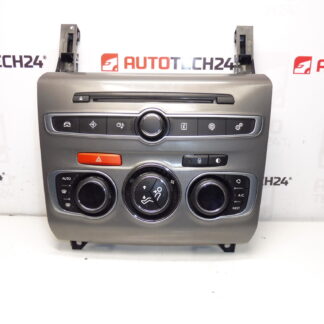
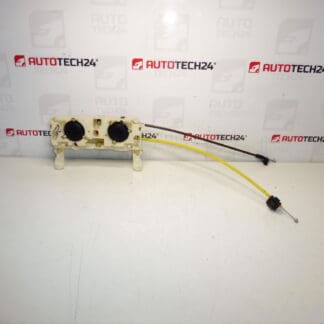
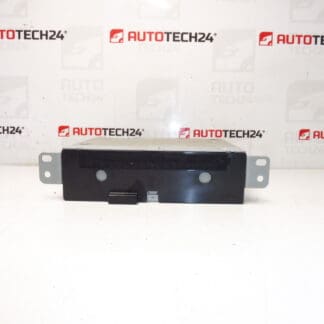
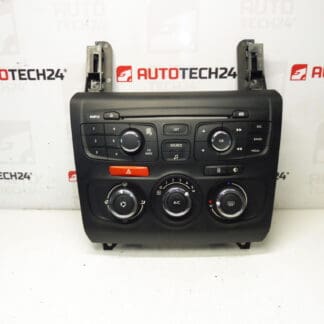
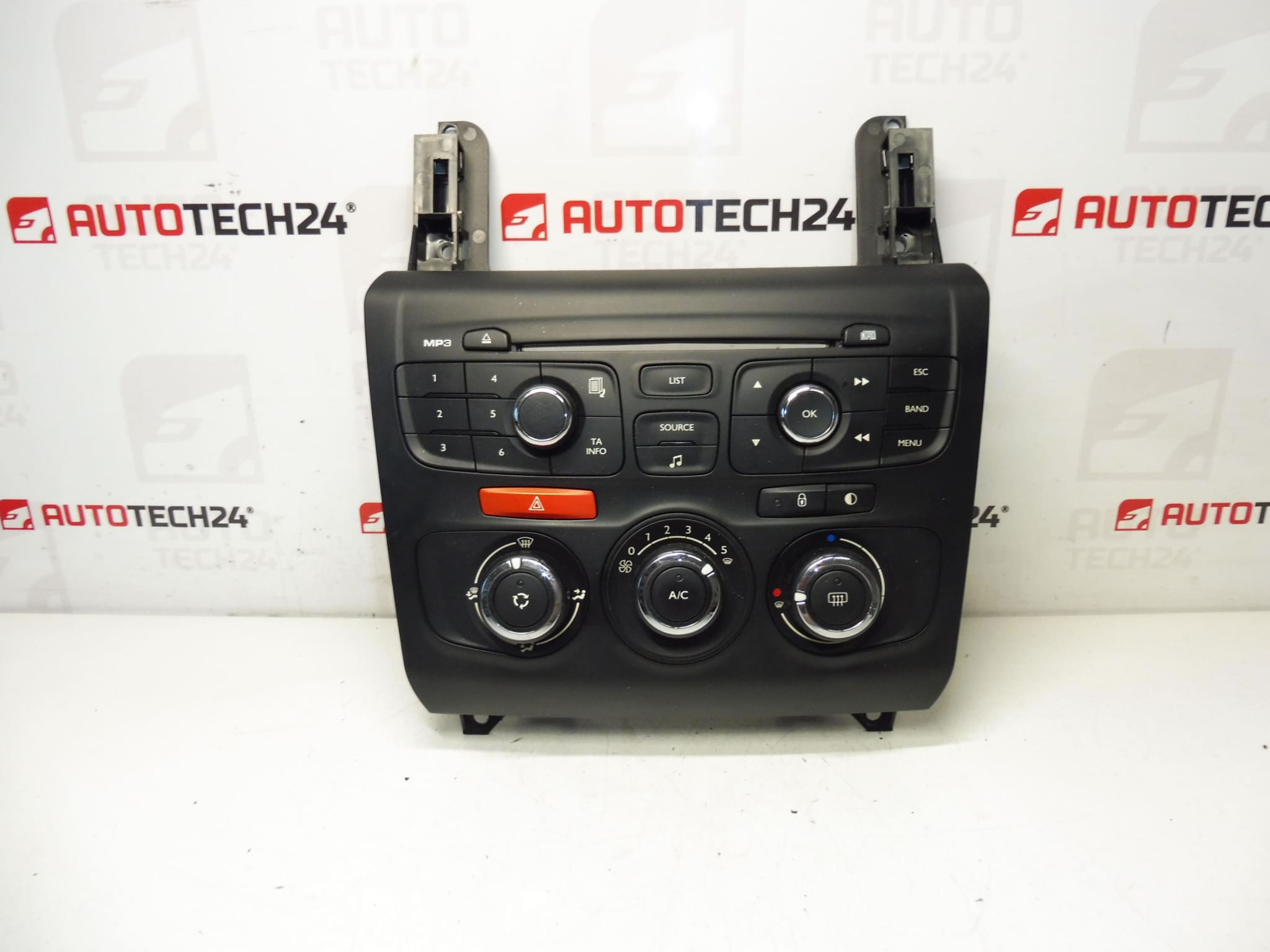
Heating, air conditioning, radio and navigation control for Citroën C4 B7. Tested – functional.
Product Overview
This multifunction control panel is a direct-fit interface for the heating, ventilation and air conditioning (HVAC) system as well as the radio and navigation functions on Citroën C4 II (B7). It brings together temperature settings, fan speed, mode selection and infotainment controls in a single unit, making it a common replacement part for workshops and DIY mechanics who service climate and dashboard electronics. The unit is often searched by its product codes, so please check the numbers listed below when looking for the correct part.
Key Benefits
- Restores full manual control of HVAC and central infotainment functions.
- Simplifies dashboard refurbishment without replacing complete dashboard harnesses.
- Common spare for vehicles that have faulty buttons, backlighting or interface failures.
- Search-friendly by OE and reference numbers to speed up part identification.
Technical Information
- Manufacturer: Stellantis
- Model: Citroën C4 II (B7)
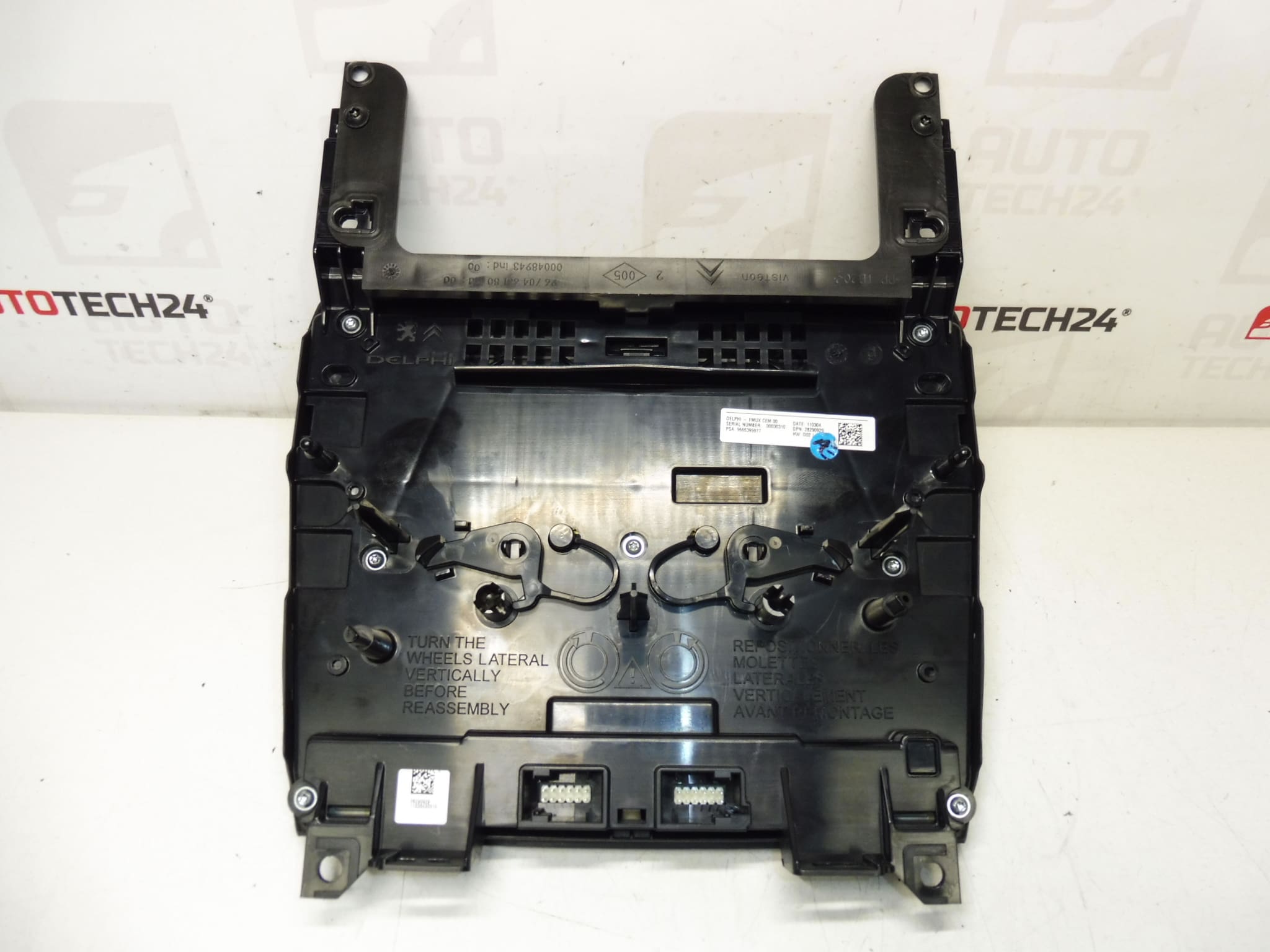
- Product Codes: 9666395977, 6155HR
- Additional Numbers: 98040763ZD
How To Replace
Replacement is straightforward for a competent mechanic or experienced DIYer. Typical steps:
- Disconnect the vehicle battery before starting work to avoid short circuits and preserve electronic modules.
- Remove surrounding trim panels using appropriate trim tools to avoid damage to clips and plastic parts.
- Unscrew the retaining fasteners securing the control panel and carefully pull the unit forward.
- Disconnect electrical connectors by releasing their locks, then swap the control panel and reconnect all plugs securely.
- Reassemble trim panels and reconnect the battery. Verify all HVAC and radio/navigation functions operate correctly.
Tools Required: Trim removal tools, common screwdrivers or Torx/bit set depending on the vehicle trim. Estimated Time: 30–60 minutes depending on experience and access.
Installation Recommendations
- Always disconnect the battery before removal and follow manufacturer procedures to prevent damage to electronics.
- Handle connectors and ribbon cables carefully; do not force plugs into place.
- Check connector pins and wiring for corrosion or damage before fitting the new unit.
- After installation, cycle through all HVAC modes and radio/navigation functions to confirm proper operation and backlight functionality.
Why The Part Most Often Fails
Common failure causes for multifunction control panels include mechanical wear of switches and rotary encoders, contamination from dust or spilled liquids, degraded membrane contacts, failed backlighting, and cracked solder joints due to thermal cycles or vibration. Electrical surges or poor grounding can also cause intermittent or permanent failure of internal control electronics.
Search And Identification
Customers frequently locate this part by its OE numbers and reference codes. If you are searching online or in catalogues, use the listed product codes to improve search accuracy: 9666395977, 98040763ZD, 6155HR.
Who Should Fit This
Recommended for professional garages, body shops and experienced DIY technicians familiar with dashboard electronics. If you are uncertain about any step, seek assistance from a qualified automotive electrician or technician.