Description
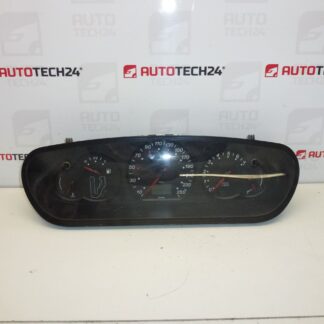
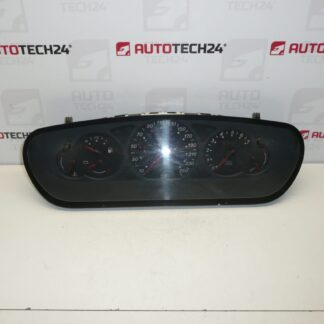
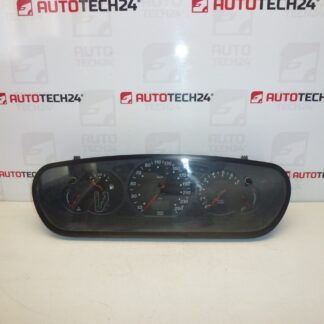
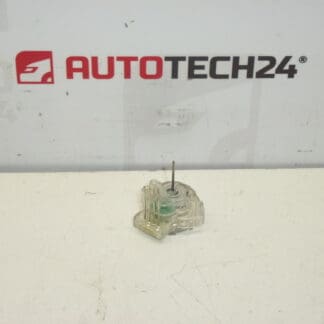
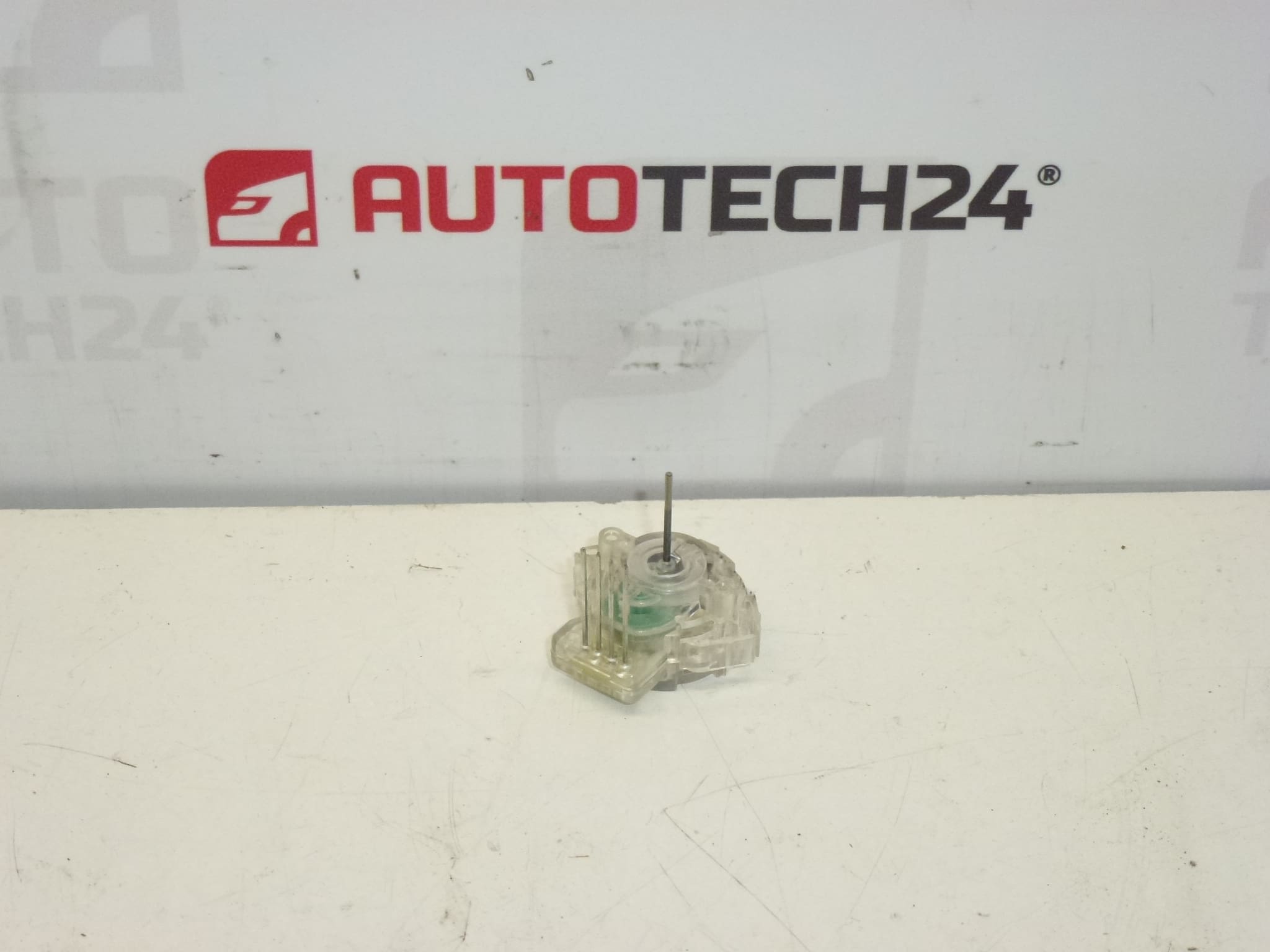
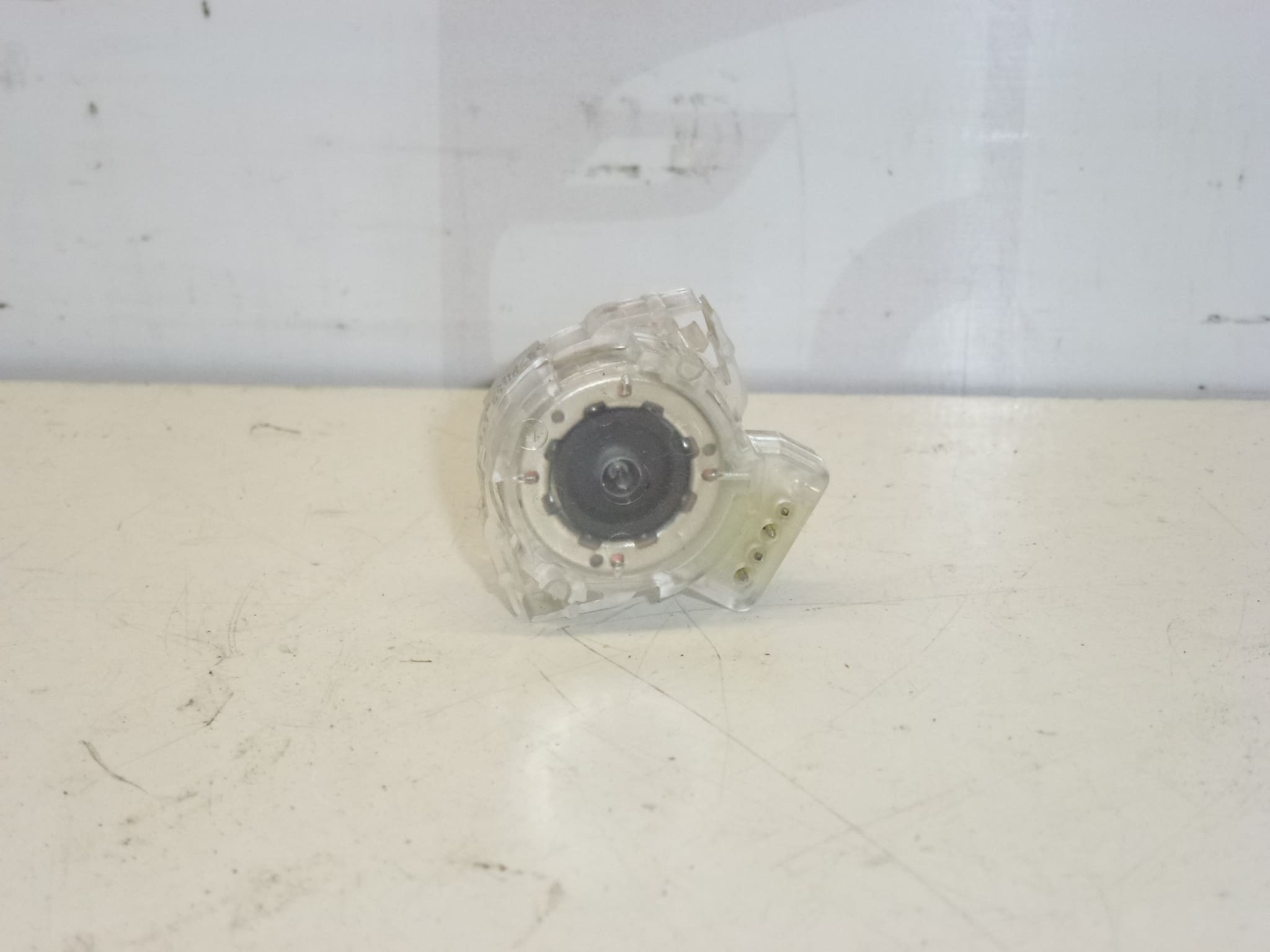
Stepper Motor for Speedometer and Tachometer for Citroën C5 First Series 2000–2007
Product Overview
This stepper motor is designed to drive the needles of the speedometer and tachometer in the instrument cluster of the Citroën C5 first series (2000–2007). It provides precise incremental movement required for accurate gauge indication and is a common service item when needles stick, jump or stop moving. Ideal for professional workshops and experienced DIY mechanics who repair instrument clusters or restore gauge functionality.
Features and Benefits
- Direct fit for Citroën C5 I instrument clusters (2000–2007).
- Restores proper needle movement and improves driving safety by returning accurate speed and RPM readouts.
- Compact electromechanical design that integrates with existing cluster gearing and electrical connections.
- Cost-effective alternative to replacing the entire cluster—saves time and reduces vehicle downtime.
Technical Information
Manufacturer: Citroën
Model: Citroën C5 I (2000–2007) – First Series
Product Codes: Not Specified
Additional Numbers: Not Available
Fitment
Fits instrument clusters from Citroën C5 First Series produced between 2000 and 2007. Compatible with standard analog speedometer and tachometer gauges used in these models. Always verify physical fitment when replacing an individual motor inside the cluster.
Replacement Procedure (General Guide)
- Preparation: Park vehicle on a level surface, set handbrake and remove ignition key.
- Electrical Safety: Always disconnect the negative battery terminal before starting work to prevent short circuits and protect electronic modules.
- Access: Remove dashboard trim and instrument cluster retaining screws. Carefully extract the instrument cluster from the dash to gain access to the rear of the gauges.
- Disassembly: Depending on cluster design, remove the rear cover of the instrument cluster to expose the stepper motors. Note the orientation and position of each motor relative to the gauge faces.
- Exchange: Unplug the electrical connector or gently release the retaining clips and remove the faulty stepper motor. Fit the replacement motor in the identical position, ensuring correct engagement with the gauge gearing.
- Reassembly: Refit the cluster rear cover, reinstall the cluster and dashboard trim, reconnect the battery and perform a functional check of all gauges.
Recommended Tools
- Trim removal tools to avoid damaging interior panels.
- Set of screwdrivers and Torx drivers commonly used on Citroën dashboards.
- Clean workspace and soft cloths to protect the instrument faces during service.
Installation Recommendations
Handle the instrument cluster and gauge faces with care to avoid scratching. Ensure connectors and PCB pins are clean and free of corrosion before reassembly. When seating the new motor, make sure the gearing meshes correctly and that the needle returns to its zero/home position before final reassembly. After installation, perform a power-up check and observe needle movement across the full range to confirm smooth operation.
Why This Part Typically Fails
Stepper motors in instrument clusters commonly fail due to age-related wear and environmental factors. Typical failure modes include gear wear or breakage, seized or stiff bearings from dried lubricants, corrosion of contacts, and mechanical shock from impact. Faulty solder joints or damaged PCB traces on older clusters can also lead to intermittent or complete loss of needle movement. Moisture ingress and prolonged exposure to heat accelerate degradation.
Professional Tips
- If multiple gauge motors fail or other cluster functions are affected, inspect the instrument cluster PCB for burnt components and check supply voltage to the cluster connector.
- Test electrical connectors for continuity and clean any corrosion before refitting. Replace damaged retaining clips to ensure correct seating of the motor.
- Keep track of needle positions during disassembly to avoid misalignment; some clusters require needle calibration after replacement.
Why Choose This Replacement
Replacing the faulty stepper motor is an effective way to restore accurate speed and RPM readings without the expense of a full cluster replacement. Suitable for technicians and skilled DIYers who can access and work on the instrument cluster. The part brings back reliable needle response and improves the vehicle’s safety and usability.