Description
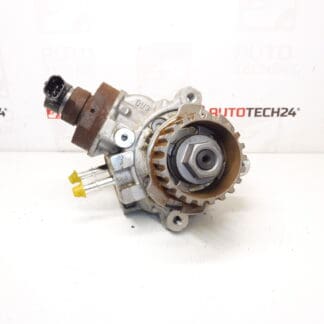
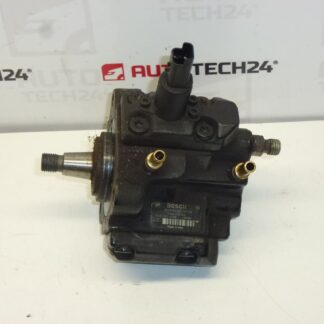
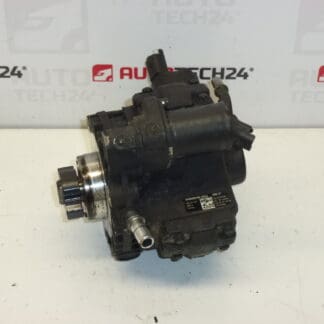
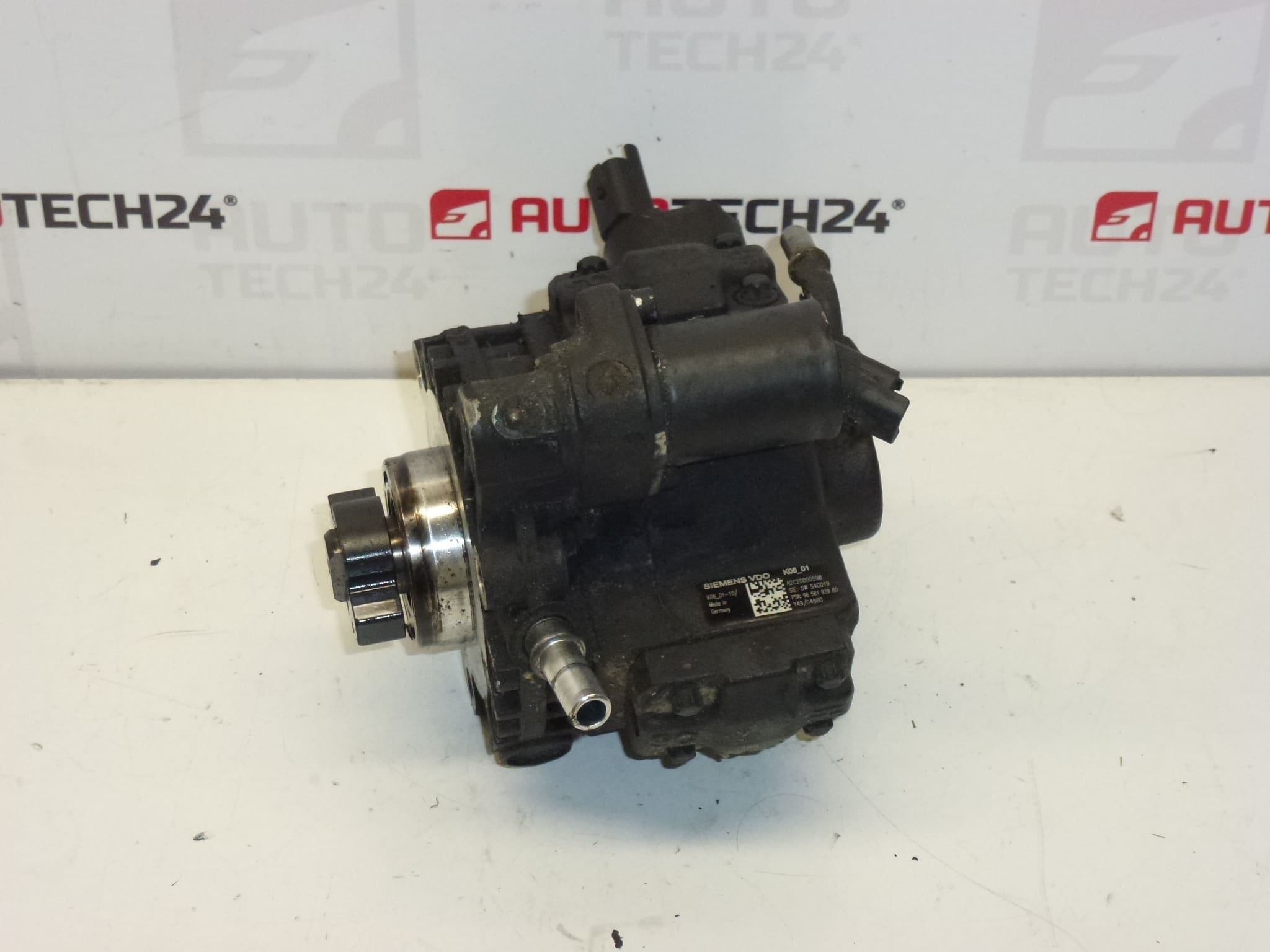
Injection Pump 2.0 HDi 100 kW (RHR/RHK) with SIEMENS VDO system for Citroën, Peugeot, Ford, Volvo and Mazda. Tested and supplied with a guarantee of functionality. Removed from a vehicle with 131,000 km; the DPF was in good condition. Equipped with a fuel pressure regulator.
This high-pressure injection pump is designed for 2.0 HDi diesel engines producing around 100 kW and fitted with Siemens VDO pump technology. It is a direct replacement option for workshops and experienced DIY mechanics who need a reliable pump with original equipment references. The description and product codes in this listing help you find the correct unit quickly — especially useful when customers search by part number.
Applications And Compatibility
- Typical Engine Codes: RHR, RHK (2.0 HDi, 100 kW)
- Compatible Vehicle Models (examples): Citroën C4, Citroën C4 Picasso, Citroën C5, Citroën C5 X7, Citroën C8; Peugeot 307, Peugeot 407, Peugeot 607, Peugeot 807; also used on certain Ford, Volvo and Mazda diesel applications where the same pump variant is fitted.
- Useful For: Professional garages, independent repairers and skilled DIY mechanics replacing a worn or faulty injection pump.
Technical Information
- Manufacturer: SIEMENS VDO
- Model: 2.0 HDi 100 kW (RHR / RHK)
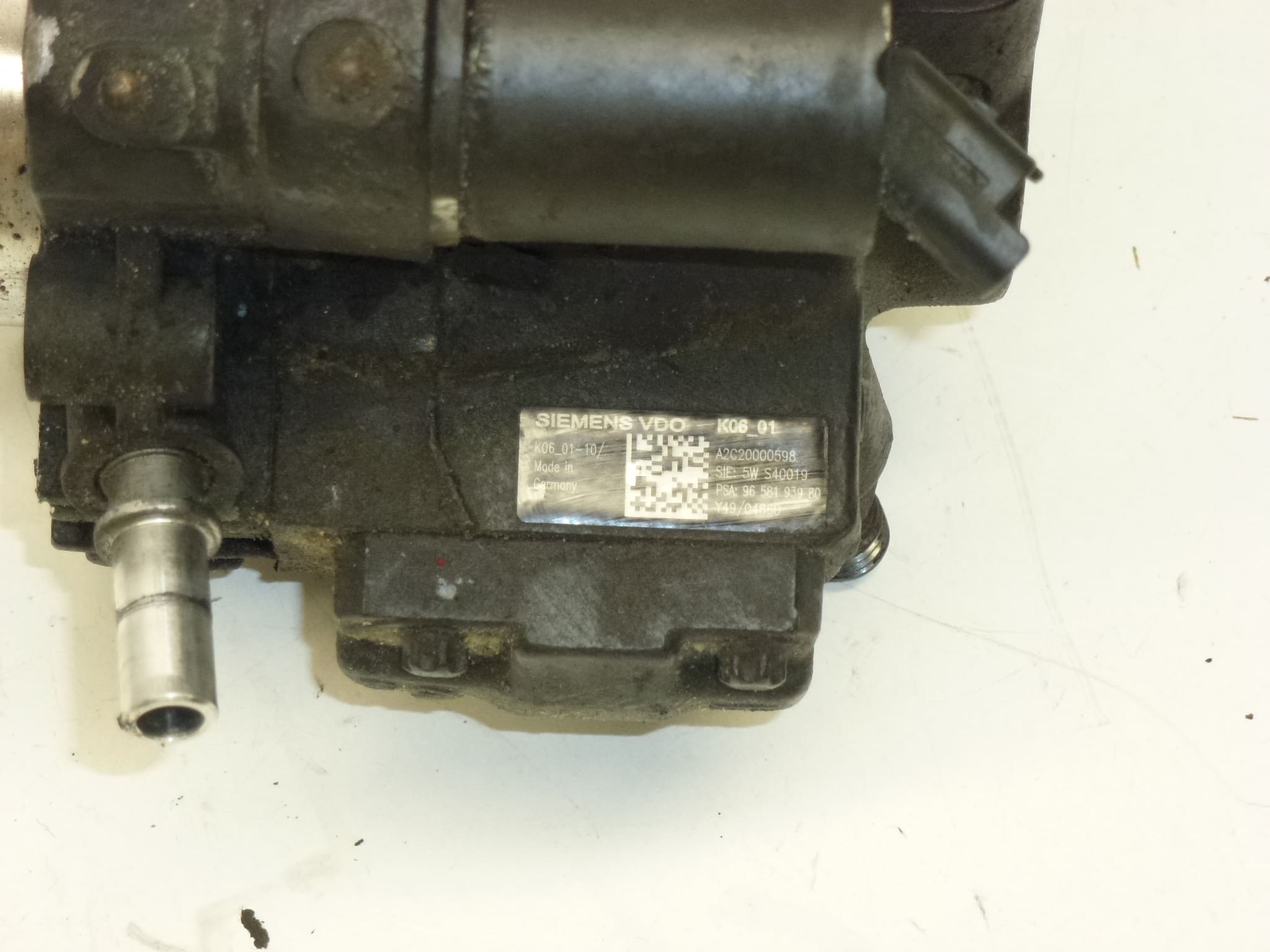
- Product Codes: 9658193980, 9688153080, 1920QH, 1920N8, 5WS40019, 5WS40809
- Other Numbers: Removed from vehicle at 131,000 km (for reference of wear condition)
How The Part Works
The high-pressure injection pump supplies diesel to the injectors at the correct pressure and timing required by the engine control system. The pump includes a fuel pressure regulator that helps maintain stable rail pressure under varying engine loads. Proper operation is critical for fuel atomization, combustion efficiency and emissions control.
Common Failure Causes
- Fuel Contamination: Particles, water or poor-quality fuel accelerate internal wear and damage precision components.
- Wear And Fatigue: High mileage and prolonged operation cause progressive wear of internal plungers, sleeves and seals.
- Poor Maintenance: Neglected fuel filter changes and fuel system service shorten pump life.
- Injector Issues Or Debris: Failed injectors or debris from other fuel-system components can damage the pump internals.
Replacement Guidance And Installation Recommendations
Replacement of a high-pressure injection pump requires careful preparation. Follow these general steps and safety notes:
- Work In A Clean Environment: Prevent contamination when exposing fuel lines and pump ports.
- Relieve Fuel System Pressure: Depressurize the system before disconnecting fuel lines to avoid spills and injury.
- Disconnect Battery: Isolate vehicle electrical system to prevent accidental starter engagement and protect electronics.
- Mark And Replace Seals/O-Rings: Always fit new sealing washers and O-rings on fuel lines to avoid leaks.
- Prime And Bleed System After Fitment: Remove air from the fuel system according to manufacturer procedure to prevent hard starting or injector damage.
- Check Timing And Calibration: After mechanical installation, verify pump timing and any required calibration procedures. Some pumps may require adaptation or coding with dealer-level or OEM diagnostic tools to ensure optimal performance.
- Torque And Fasteners: Use manufacturer torque specifications for mounting bolts and fuel fittings — incorrect torque can cause leaks or mechanical damage.
Service Life And When To Replace
Service life depends heavily on maintenance and fuel quality. With proper servicing, these pumps commonly last well beyond 150,000 km, but contaminated fuel, neglected filters or component failures can shorten life considerably. Replace the pump if there are symptoms such as hard starting, loss of power, irregular idle, fuel leaks, or diagnostic fault codes related to fuel pressure.
Why Choose This Unit
This Siemens VDO injection pump is an original-style component matching common OEM references listed above. It is suitable for professionals who need correct-part-number references and a practical replacement source. The inclusion of the fuel pressure regulator and the provided usage history (131,000 km, DPF OK) give additional context for condition and fitment.
Notes
All model and product code references are provided to help identify fitment. Ensure that you have the correct pump variant for the engine code (RHR / RHK) before installation. If calibration or adaptation is required after fitment, use appropriate diagnostic equipment and follow the vehicle manufacturer’s procedures.