Description
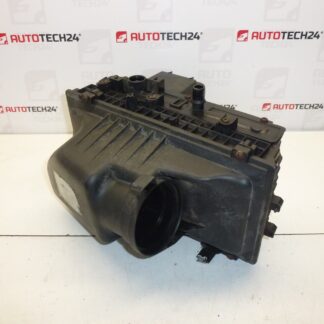
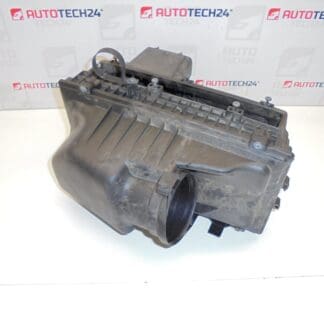
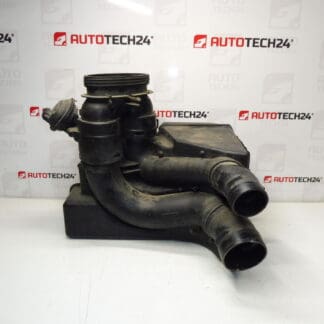
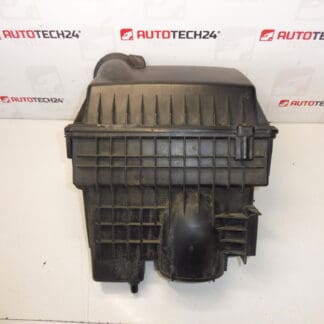
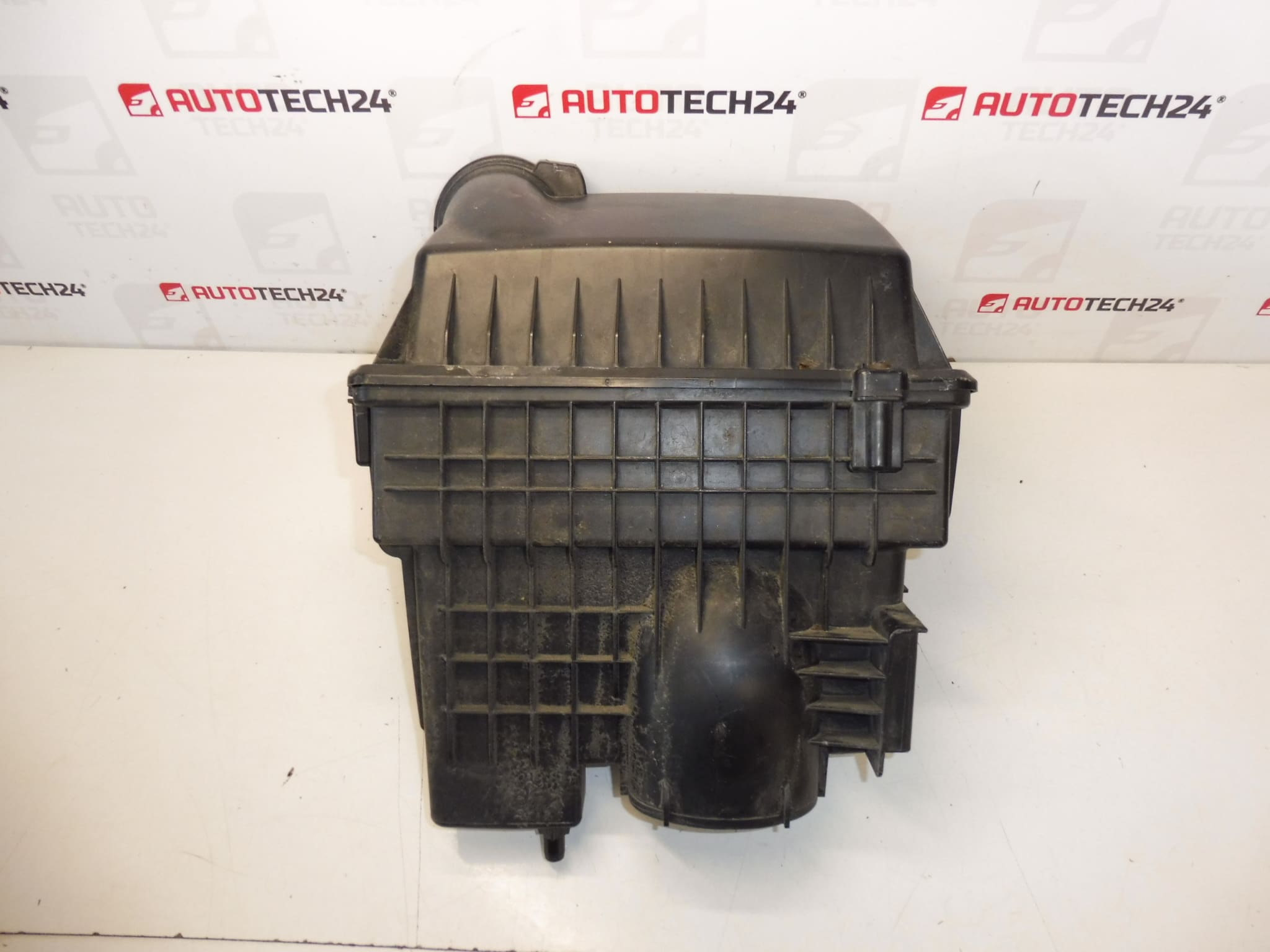
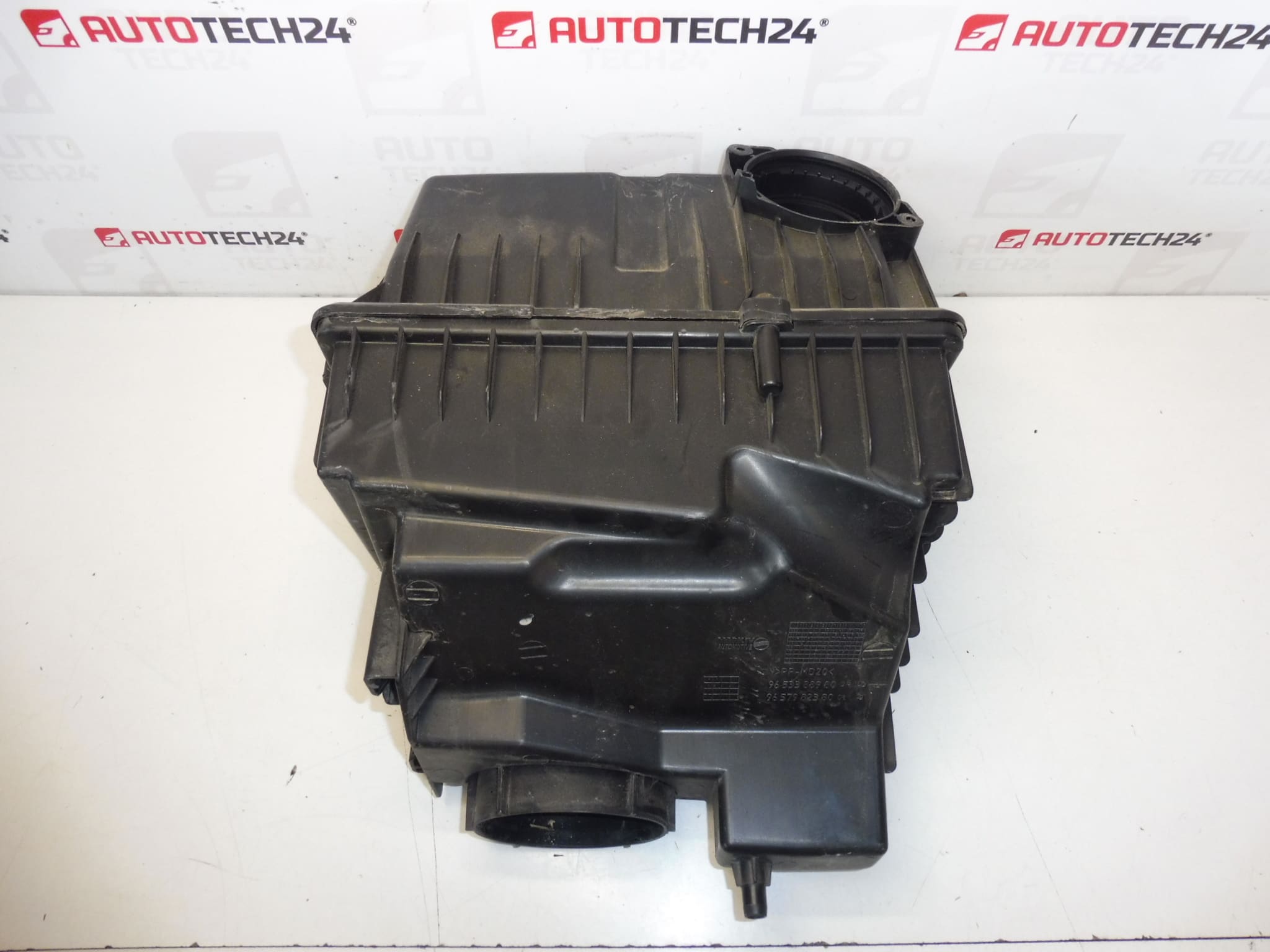
Filter box for CITROEN C4 PICASSO, C5 X7 and PEUGEOT 308, 3008, RCZ, DS5 cars with 2.0 HDI engine
Part description
This filter box is a used original part intended for Citroën and Peugeot cars. It is an important part of the engine’s intake system, which serves to house the air filter and to guide the intake air correctly. A properly sealed airbox helps protect the engine from dirt and at the same time contributes to a stable intake function.
The part is also searchable by product number, which makes it easier to identify the correct design when repairing or replacing a damaged original piece. For mechanics and home repairs, it is an advantage that the original filter box usually corresponds exactly to the construction of the car and follows on from the original mounting and connected hoses.
Technical information
- Manufacturer: Stellantis Citroën Peugeot
- Model: Citroën C4 PICASSO, Citroën C5 X7, Peugeot 308, Peugeot 3008, Peugeot RCZ, DS5
- Other numbers: 9657982380, 1420Q2
Product codes
Product codes: 9653388980, 9657982380, 1420Q2
- Citroën C4 PICASSO
- Citroen C5 X7
- DS5
- PEUGEOT 3008 I
- Peugeot 308
- PEUGEOT 5008 I
Installation recommendations
Generally/typically for changing the filter box, the exact procedure may vary depending on the specific car model and the design of the engine compartment. Before actual assembly, it is always advisable to compare the new and original part and check all connection points.
1) Before assembly
- Check that the part codes and the shape of the filter box match the original piece.
- Check the condition of the attachment, seating surfaces, latches, flanges and hose connections.
- Check that the used part is not cracked, deformed or excessively dirty inside.
- If any parts are carried over from an old piece, check their condition before reassembly.
2) Necessary tools and materials
- A common set of hand tools
- Screwdrivers or bits according to the type of connecting material
- Hose clip pliers, if used
- Cleaning agent for removing dust and dirt
- Clean rag or shop towels
3) Step-by-step assembly procedure
- Shut off the engine and allow the work area to cool down safely.
- Provide access to the original filter box by removing obstructing covers if fitted.
- Carefully disconnect all attached hoses, suction and any fasteners.
- Unfasten the original filter box and remove it without damaging the surrounding parts.
- Clean the seating area and check for debris or loose parts.
- Compare the used filter box with the old one, including all outlets, holders and seating surfaces.
- Place the filter box in place so that it fits correctly in all the fixings.
- Reconnect the hoses and other connecting parts without crossing or over-tightening.
- Secure any clips, screws or latches so that the part is firmly attached and tight.
- Check that there are no gaps where unfiltered air could be sucked in.
- Refit any covers and clean the work area.
-
4) Post-assembly checks and function verification
- After starting, check if the intake is making unusual noises.
- Check that the filter box is firmly in place and does not transmit excessive vibrations.
- After a short test drive, visually check the fitment and connected hoses again.
- Focus on loose joints or false air intake.
5) The most common assembly mistakes + how to avoid them
- Conversion of part design – always compare the numbers and shape with the old piece.
- Untightened or poorly seated connections – after assembly, carefully check all connections.
- Connection of hoses under tension – hoses must be routed naturally, without twisting and tension.
- Mounting on dirty bearing surfaces – always clean the mounting area before seating the part.
- Overlooking cracks or damaged handles – inspect the used part thoroughly before installation.
Reasons why the part is damaged
- Cracking of the plastic body due to age and temperature changes.
- Damage to handles during careless disassembly or previous repair.
- Deformation or leakage after impact or improper handling in the engine compartment.
- Long-term motor vibrations that can cause material fatigue.
- Contamination with dirt, oil aerosol or moisture, which impair the function and condition of the part.