Description
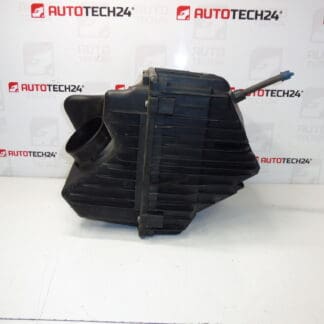
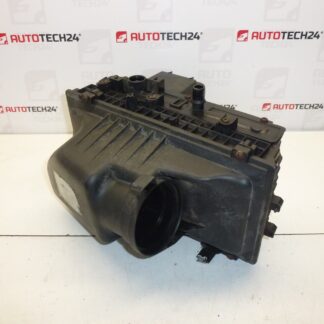
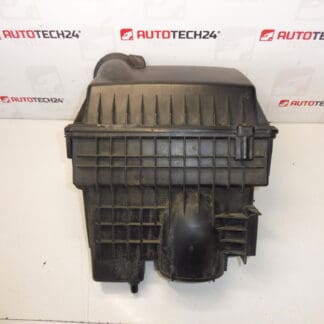
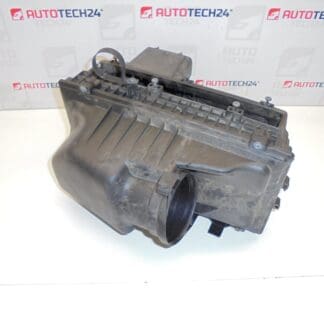
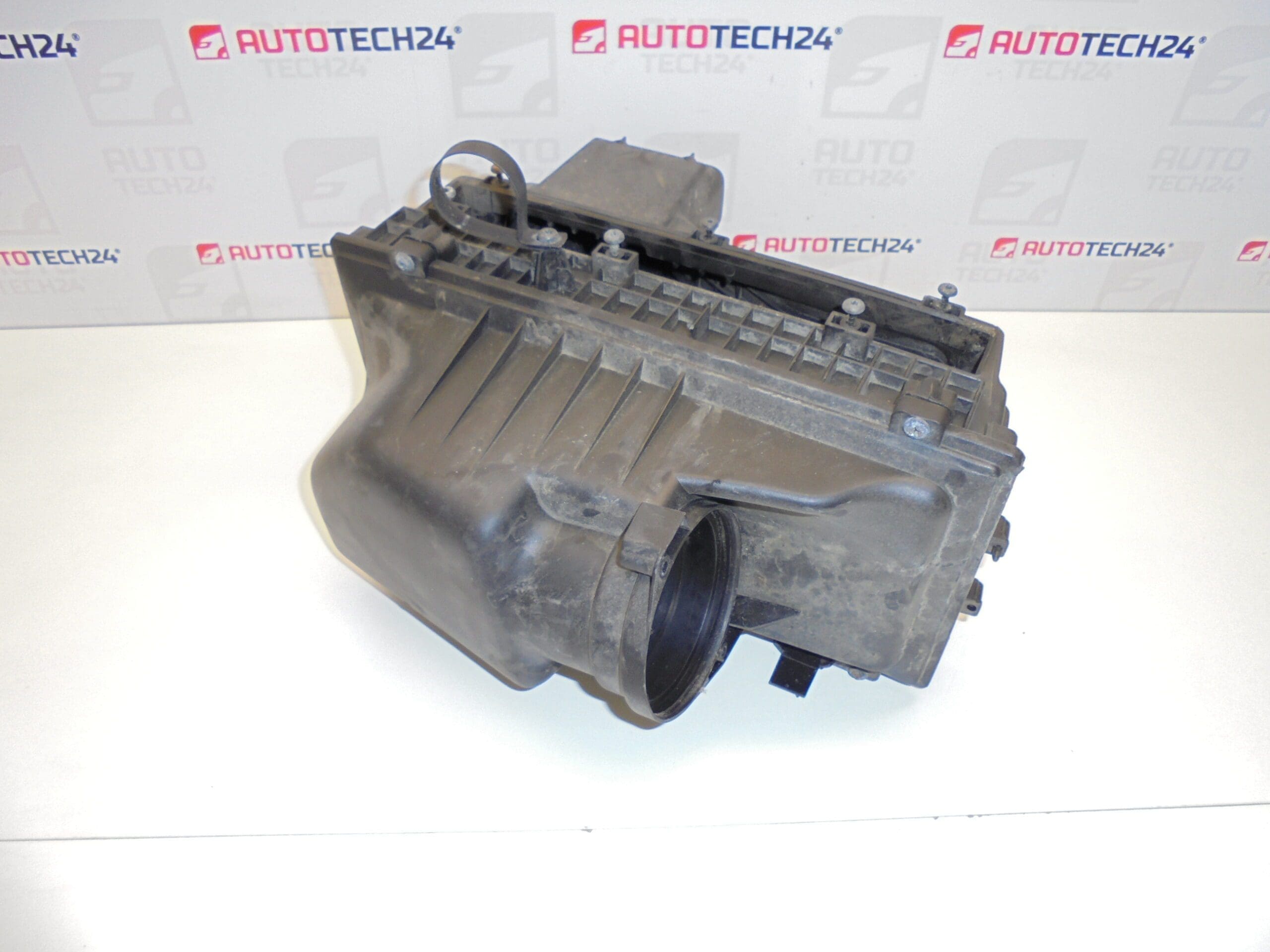
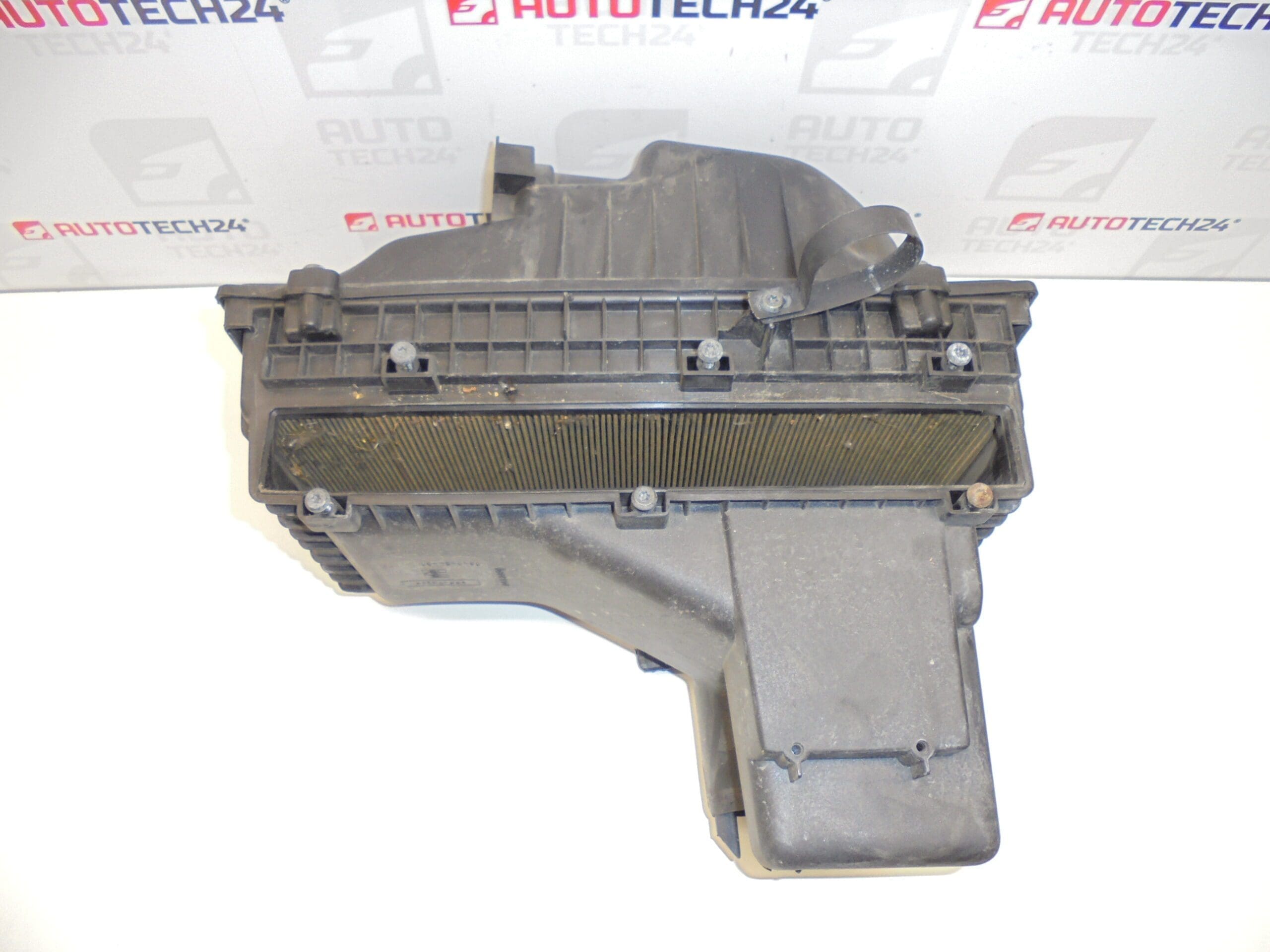
Filter box without water-to-air heat exchanger for CITROËN C5, C8 and PEUGEOT 607, 807 with 2.0 and 2.2 HDi engines
This replacement air filter housing is designed for diesel HDi engines and provides a robust, direct-fit solution for Citroën and Peugeot models listed. The unit routes intake air, secures the air filter element and ensures correct airflow to the turbocharger and engine. This specific version does not include a water-to-air heat exchanger, so it fits vehicles equipped with the non-exchanger configuration. Ideal for professional garages and DIY mechanics who need a reliable, OEM-compatible airbox to restore correct sealing and airflow performance.
Key Benefits
- Direct fit for targeted Citroën and Peugeot models with 2.0 / 2.2 HDi engines.
- Restores factory air routing and filtration, helping to protect the turbo and engine from contaminants.
- Durable construction with mounting points compatible with original brackets and hoses.
- Sold without the water-to-air heat exchanger—matches vehicles that do not use that component.
Function And Application
The air filter box houses the engine air filter element, seals the intake path and connects to the mass air flow sensor (where fitted) and turbocharger piping. By maintaining correct intake air pressure and preventing unfiltered air ingress, the box helps preserve engine performance, fuel economy and turbocharger longevity. On the specified models it replaces the factory airbox that does not contain a water-to-air heat exchanger.
Fitment (Typical Models)
Suitable For:
- Citroën C5 (models with 2.0 / 2.2 HDi)
- Citroën C8 (models with 2.0 / 2.2 HDi)
- Peugeot 607 (models with 2.0 / 2.2 HDi)
- Peugeot 807 (models with 2.0 / 2.2 HDi)
Replacement Procedure (Overview)
- Park vehicle on level ground, engage handbrake and allow engine to cool.
- Disconnect negative battery terminal if working near electrical connectors or sensors to avoid faults.
- Remove engine cover or other obstructing components as required to access the airbox.
- Unclip or unscrew fasteners on the airbox lid, then remove the lid and extract the air filter element.
- Disconnect intake hoses, MAF sensor connector (if fitted) and any breather hoses attached to the box.
- Undo mounting bolts or clips securing the airbox and lift the old unit out, taking care not to damage mounting studs.
- Fit new airbox into position, refit mounting bolts/clips, reconnect hoses and electrical connectors, replace filter element and secure lid.
- Start engine and check for intake leaks, proper MAF readings (if applicable) and secure hose clamps.
Why This Part Commonly Fails
Airbox failures are usually mechanical rather than electrical. Typical causes include:
- Cracked housing or broken mounting tabs due to age, vibration and heat cycles.
- Damage from road debris or impacts under the vehicle.
- Degraded seals and loose hose connections leading to unfiltered air ingress.
- Water ingress or clogging from blocked drain paths or poor sealing, especially in wet climates.
When the airbox is compromised, symptoms can include rough idle, loss of power, increased fuel consumption or turbo surging due to incorrect airflow measurement.
Installation Recommendations
- Always replace the air filter element when fitting a new airbox to ensure proper sealing and filtration.
- Inspect and, if necessary, replace intake hoses, clamps and MAF sensor gaskets to avoid leaks.
- Use correct torque for mounting bolts and ensure all clips are fully engaged to prevent vibration damage.
- Verify that any drain or breather passages are clear to prevent water accumulation in the housing.
Technical Information
- Manufacturer: Stellantis (Citroën / Peugeot)
- Model: Citroën C5, Citroën C8, Peugeot 607, Peugeot 807
- Product Codes: 9640454480, 1427J3
- Additional Numbers: OE 9640454480 / 1427J3
Notes For Mechanics
This unit is intended as a direct replacement for vehicles originally equipped with the non-water-to-air-exchanger airbox. Check physical compatibility against the original housing and associated intake hardware before installation. Proper sealing and correct re-connection of sensors and hoses are essential for engine management reliability.