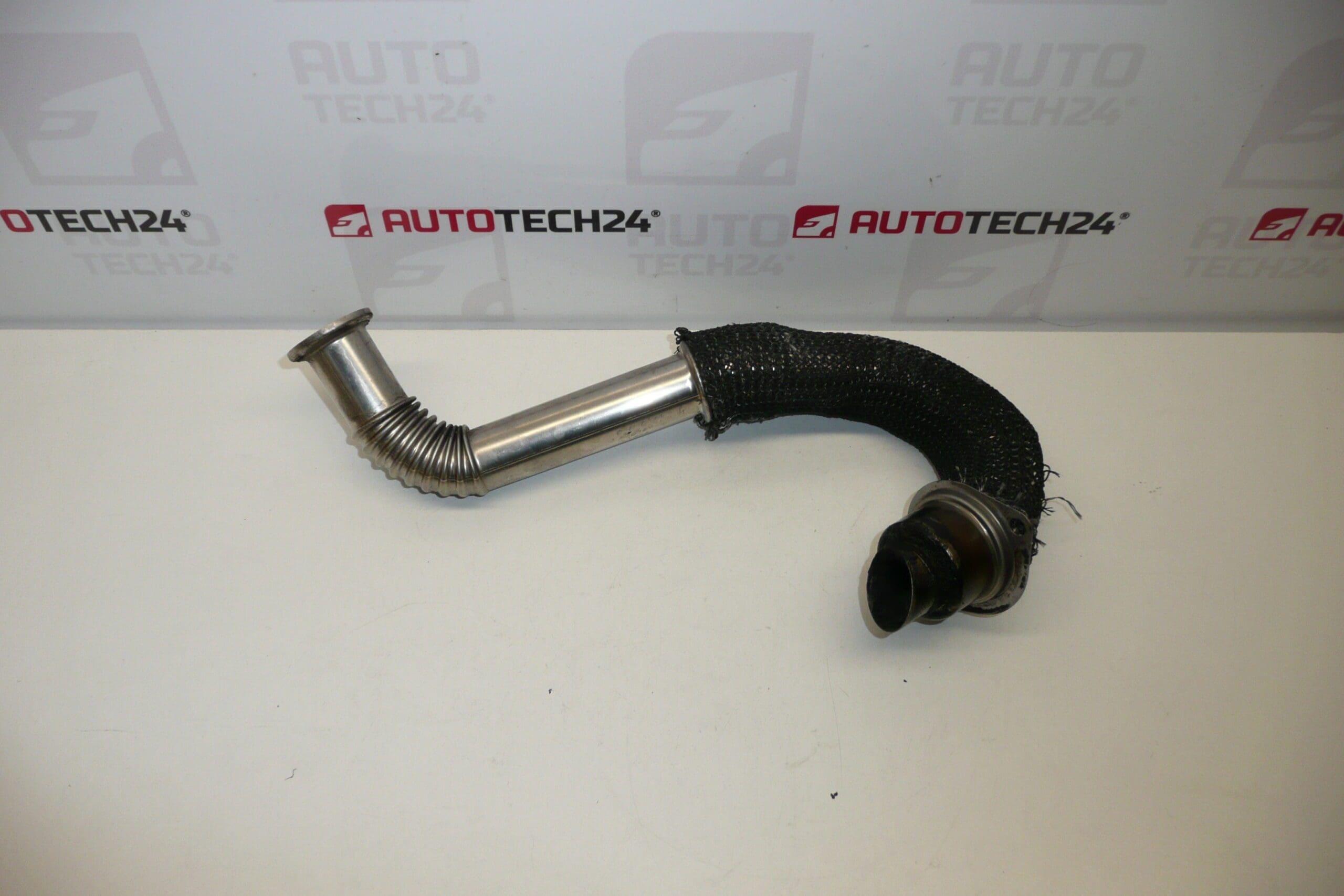
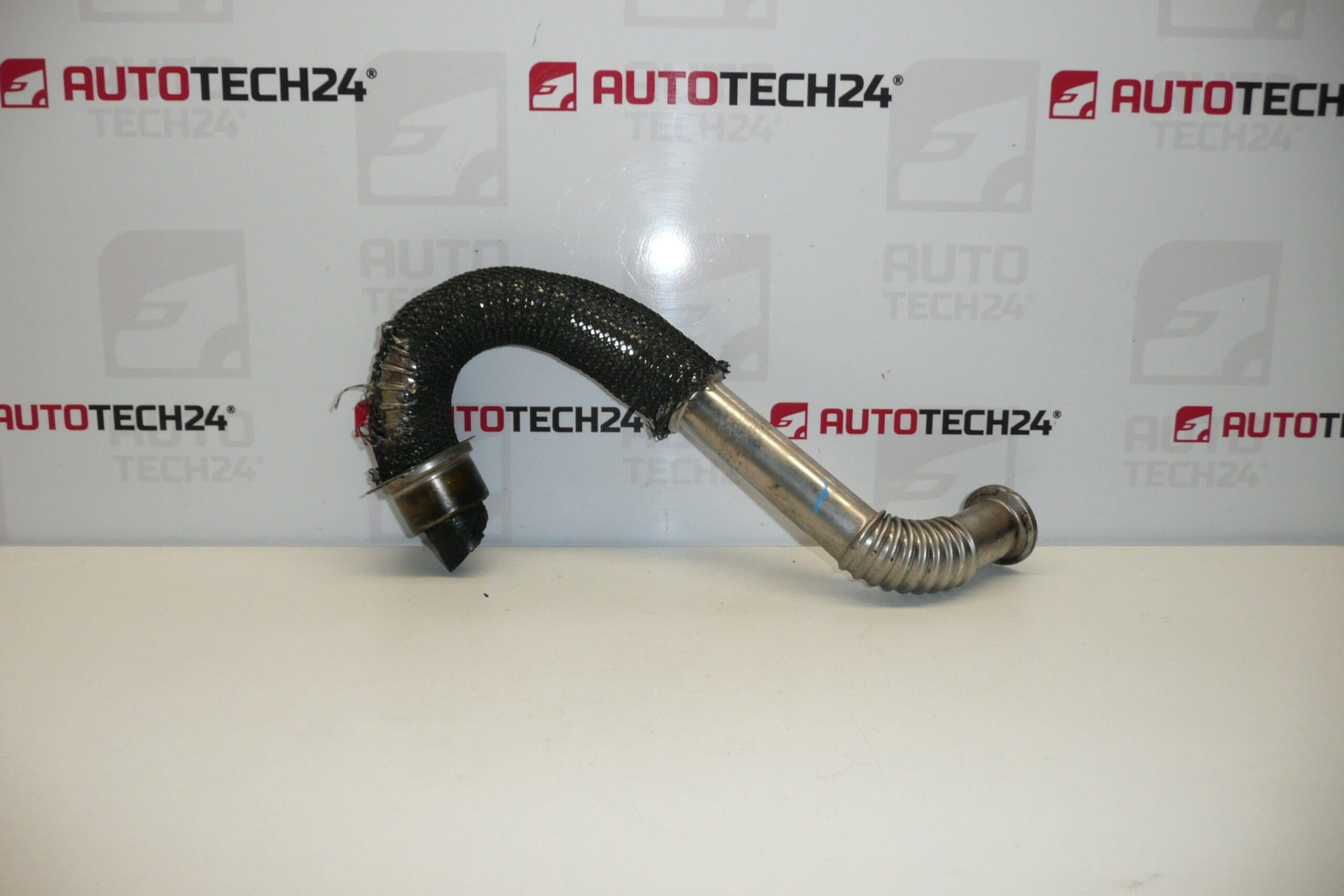
Description
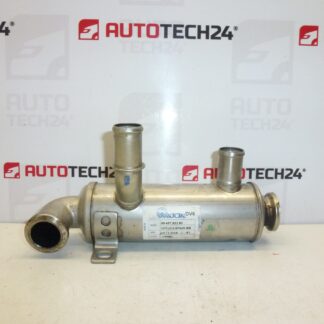
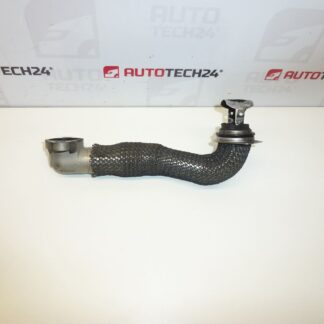
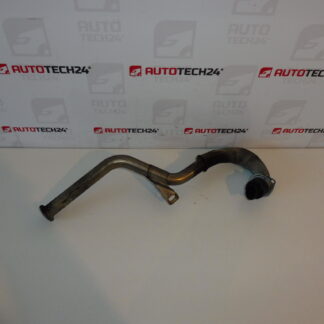
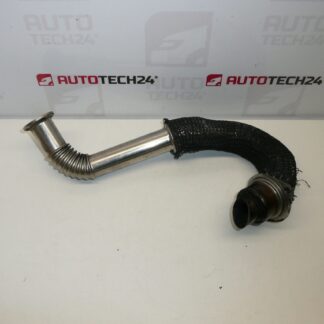
Exhaust Gas Recirculation Pipe 1.6 HDi For Citroën And Peugeot Vehicles
High-quality exhaust gas recirculation (EGR) pipe designed for 1.6 HDi engines used in many Citroën and Peugeot models. This durable pipe routes exhaust gases from the exhaust manifold/EGR valve back to the intake tract to reduce NOx emissions and support correct combustion. The part is suitable for professional workshops and capable DIY mechanics who maintain or repair emission and exhaust systems. Commonly searched under product code 161861, the pipe is a direct-replacement component that restores proper EGR flow and helps eliminate EGR-related fault codes and drivability issues when installed with correct sealing and alignment.
Technical Information
- Manufacturer: Stellantis (Citroën / Peugeot)
- Model: 1.6 HDi Engines — Fits Various Citroën And Peugeot Models
- Product Codes: 161861, NFP
- Additional Numbers: No Additional OEM Numbers Provided
Applicable Models
Typical fitment includes (but is not necessarily limited to): Citroën Berlingo, Citroën C3 Picasso, Citroën C4, Citroën C4 Picasso, Citroën C5, Citroën Xsara Picasso, Peugeot 307, Peugeot 308, Peugeot 407, Peugeot Partner. Always ensure the engine is the 1.6 HDi variant when selecting this part.
Function And Symptoms Of Failure
The EGR pipe channels cooled or untreated exhaust gases back into the intake to reduce combustion temperatures and NOx emissions. When functioning correctly it helps maintain efficient combustion, lower emissions and stable idling. Failure modes include carbon buildup restricting flow, cracking or leakage at joints due to thermal cycling, and corrosion where exposed to moisture and road salts. Symptoms of a faulty EGR pipe can include rough idle, reduced engine performance, increased NOx emissions, illumination of the engine management light with EGR-related fault codes, and audible exhaust leaks.
How The Part Is Replaced
Replacement is straightforward for experienced technicians and competent DIYers with proper tools: allow the engine to cool; remove any intercooler/intake pipes or engine covers obstructing access; loosen clamps or remove bolts securing the EGR pipe at the exhaust manifold/EGR valve and the intake side; remove the old gaskets and clean mating surfaces; fit new gaskets, install the replacement pipe and secure fasteners to the manufacturer’s torque specifications; reassemble intake components and clear any EGR-related fault codes using diagnostic equipment. Inspect surrounding hoses and sensors while the system is accessible and replace any worn seals or clamps.
Installation Recommendations
- Work On A Cooled Engine To Avoid Burns From Hot Exhaust Components.
- Use New Gaskets And Fasteners Where Applicable To Ensure A Gas-Tight Seal.
- Tighten Bolts And Clamps To Manufacturer Torque Specifications; Do Not Over-Torque.
- Inspect And Clean Mating Surfaces; Remove Carbon Deposits From Nearby EGR Components To Prevent Rapid Re-Blocking.
- After Replacement, Clear Related Diagnostic Trouble Codes And Perform A Functional Check To Confirm Proper EGR Operation.
Why This Part Most Commonly Fails
Failures Are Most Often Caused By Carbon Buildup That Restricts Flow, Thermal Fatigue Resulting In Cracks Or Leaks, And Corrosion From Moisture And Road Salts. Vehicles With Frequent Short Trips Or Heavy EGR Duty Tend To Accumulate Deposits Faster, Increasing The Likelihood Of Blockage And Premature Wear.
Tip For Professionals
When replacing the EGR pipe, check the complete EGR path — including EGR valve, cooler (if present), and intake runners — for carbon accumulation. Addressing only the pipe without cleaning upstream/downstream components can lead to repeat faults.