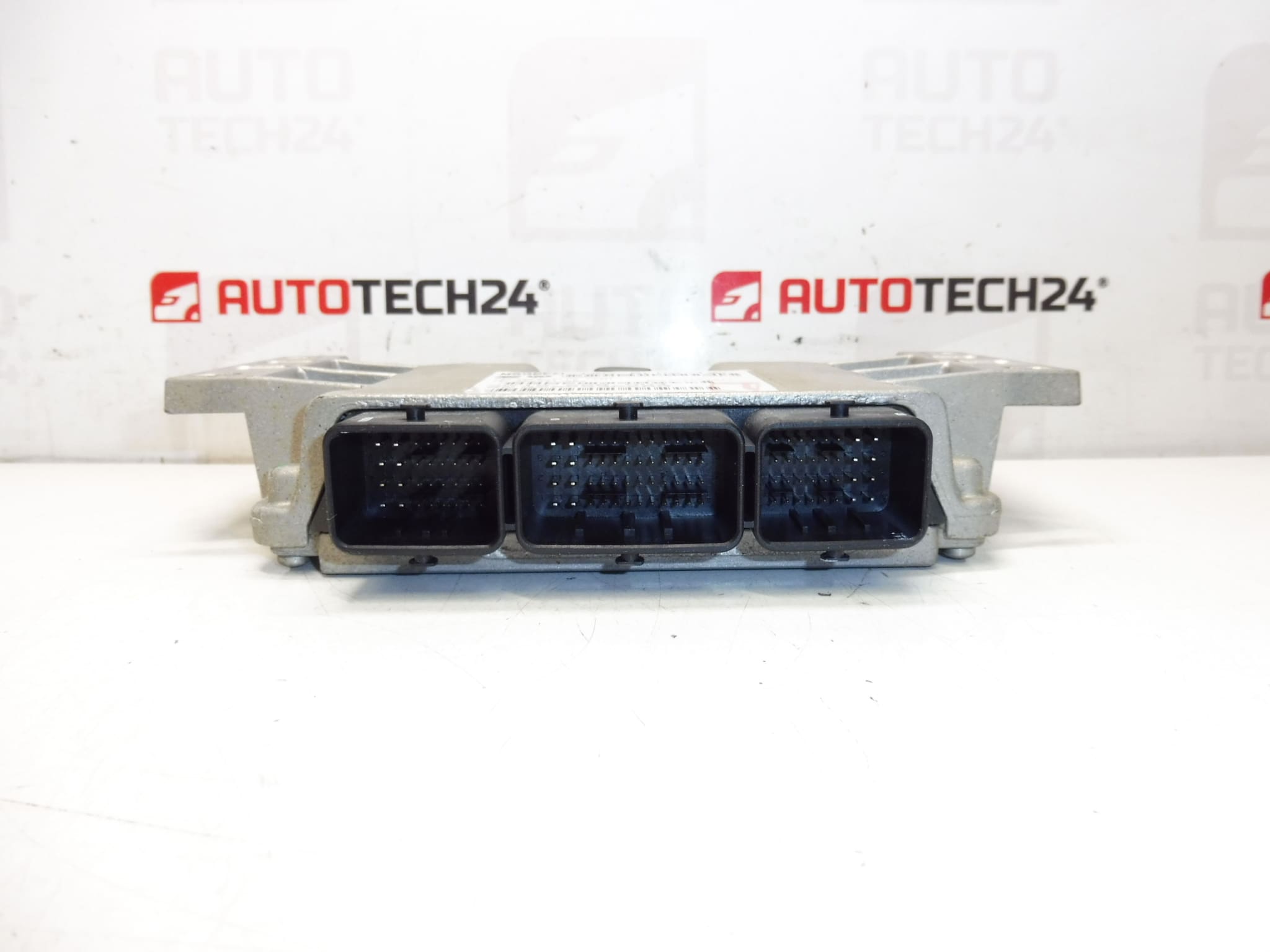
Description
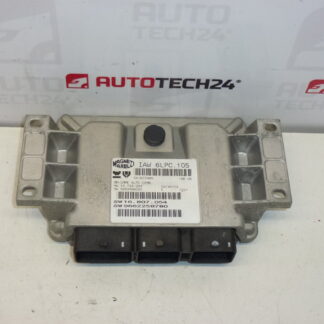
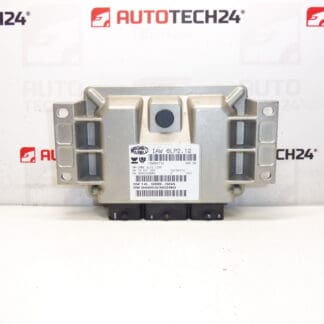
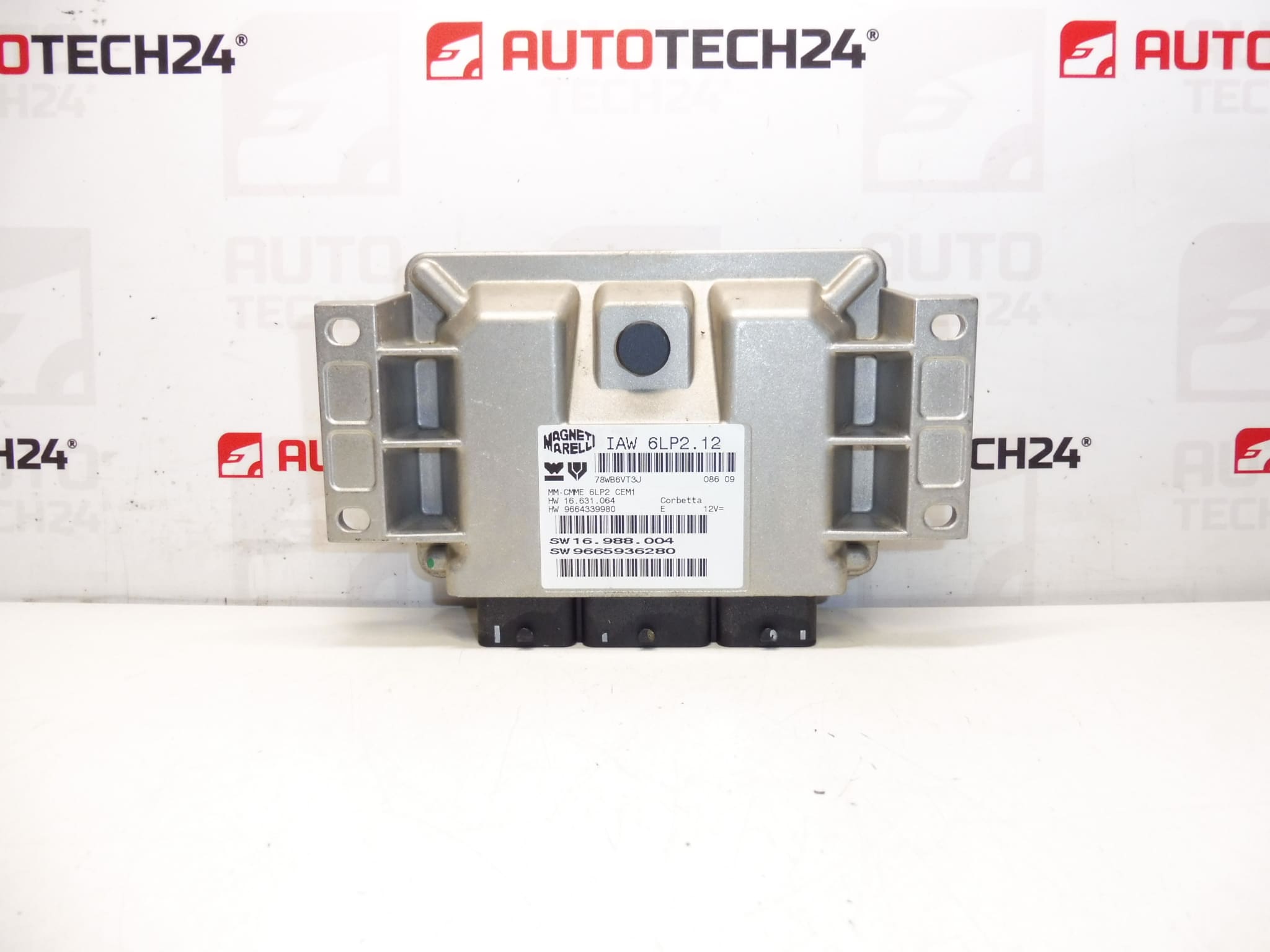
Control Unit MAGNETI MARELLI IAW 6LP2.12
Fits 1.4 16V KFU Engines For CITROËN And PEUGEOT Vehicles
Removed From CITROËN C4 2009
The Magneti Marelli IAW 6LP2.12 is an engine control unit (ECU) designed to manage fuel injection, ignition timing and basic engine diagnostics on 1.4 16V KFU petrol engines used by Citroën and Peugeot. As an integral part of the engine management system, this module receives inputs from crankshaft and camshaft sensors, air mass/flow and temperature sensors, and controls injectors, ignition coils and idle actuator to ensure correct combustion and emissions control.
Technical Information
- Manufacturer: Magneti Marelli
- Model: IAW 6LP2.12 (Engine Control Unit)
- Product Codes: 9664339980, 9665936280
- Additional Numbers: 16.631.064, 16.988.004, 1940XH, 1940XJ
Application And Compatibility
Intended for vehicles equipped with the 1.4 16V KFU petrol engine from the PSA/Stellantis family. The unit in this listing was removed from a Citroën C4 (2009). It is commonly fitted to Citroën and Peugeot models that share the KFU engine; compatibility is primarily determined by engine code and ECU part numbers.
Function And Common Symptoms Of Failure
The ECU controls injection timing, ignition advance, idle control and reads sensor signals to adjust engine operation. Typical symptoms when the ECU malfunctions include: engine not starting or intermittent cranking, misfires, rough or erratic idle, sudden loss of power or activation of limp mode, and persistent fault codes related to sensors or actuators. Communication errors between the ECU and diagnostic tools may also indicate internal faults.
Replacement Procedure
Basic replacement steps for a trained technician or experienced DIY mechanic:
- Disconnect the negative battery terminal before starting to prevent short circuits.
- Locate and remove any trim or covers to access the ECU (usually in the engine bay or behind the glovebox depending on model).
- Unbolt the ECU, carefully unplug the multi-pin connectors and take note of connector locking tabs.
- Install the new unit, ensuring connectors click fully into place and mounting bolts are secured to avoid vibration damage.
- Reconnect the battery, clear stored fault codes and perform post-installation checks.
- Programming/Coding: In most cases the replacement ECU requires coding or immobiliser pairing and configuration with a compatible diagnostic tool (for example DiagBox/PP2000 or manufacturer-level equipment) to restore engine parameters and security functions.
Installation Recommendations
- Perform work in a dry, dust-free environment. Protect connectors from contamination during handling.
- Use a quality diagnostic tool to read and clear fault codes before and after replacement and to perform required coding/matching routines.
- Always disconnect the battery negative terminal and allow capacitors to discharge (a few minutes) before unplugging the ECU.
- Inspect wiring harness and connector pins for corrosion or damage; repairing poor connectors can prevent repeat failures.
- If the vehicle exhibits immobiliser-related faults after installation, follow manufacturer procedures for key/immobiliser matching rather than repeatedly replacing parts.
Most Common Failure Reasons
ECUs of this type most frequently fail due to:
- Moisture ingress or water damage leading to corrosion of electronic components and connectors.
- Thermal stress and aging of solder joints or electronic components from prolonged exposure to heat cycles.
- Electrical faults such as voltage spikes, poor grounding or intermittent battery connections causing internal damage.
- Connector corrosion or broken pins causing intermittent signals and communication errors.
Replacing the ECU should be combined with troubleshooting the root cause (poor seals, wiring faults, charging system issues) to avoid repeated failures. For workshop technicians, following correct diagnostic and coding procedures is essential to restore full engine functionality after installation.