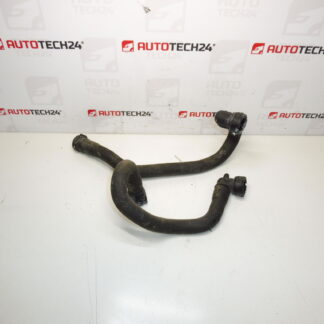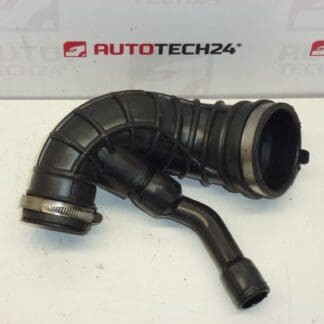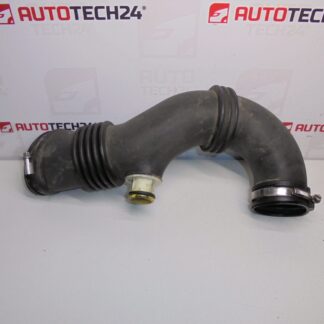
Description
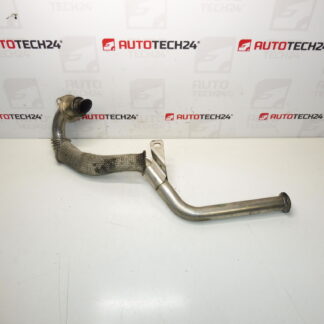
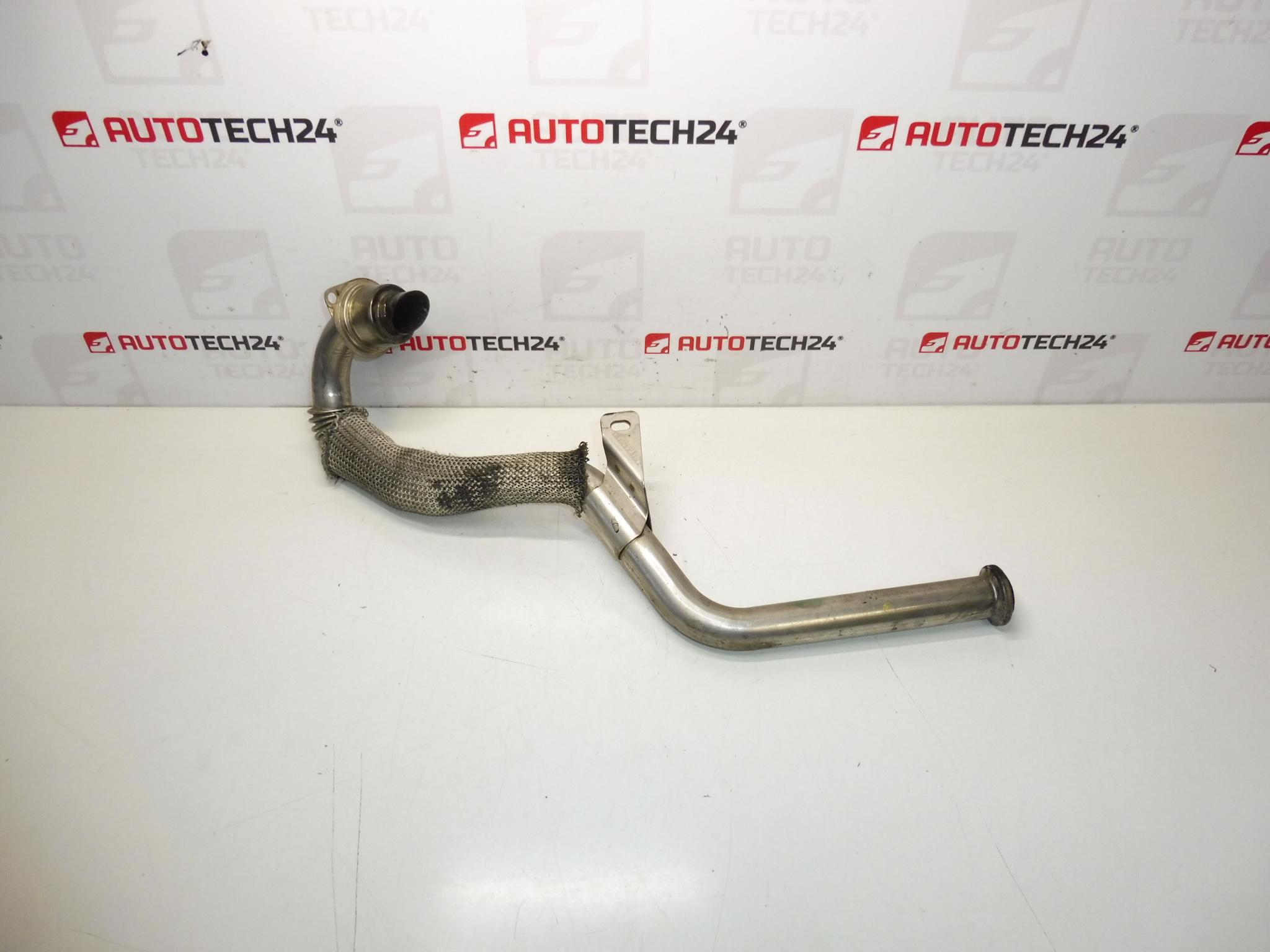
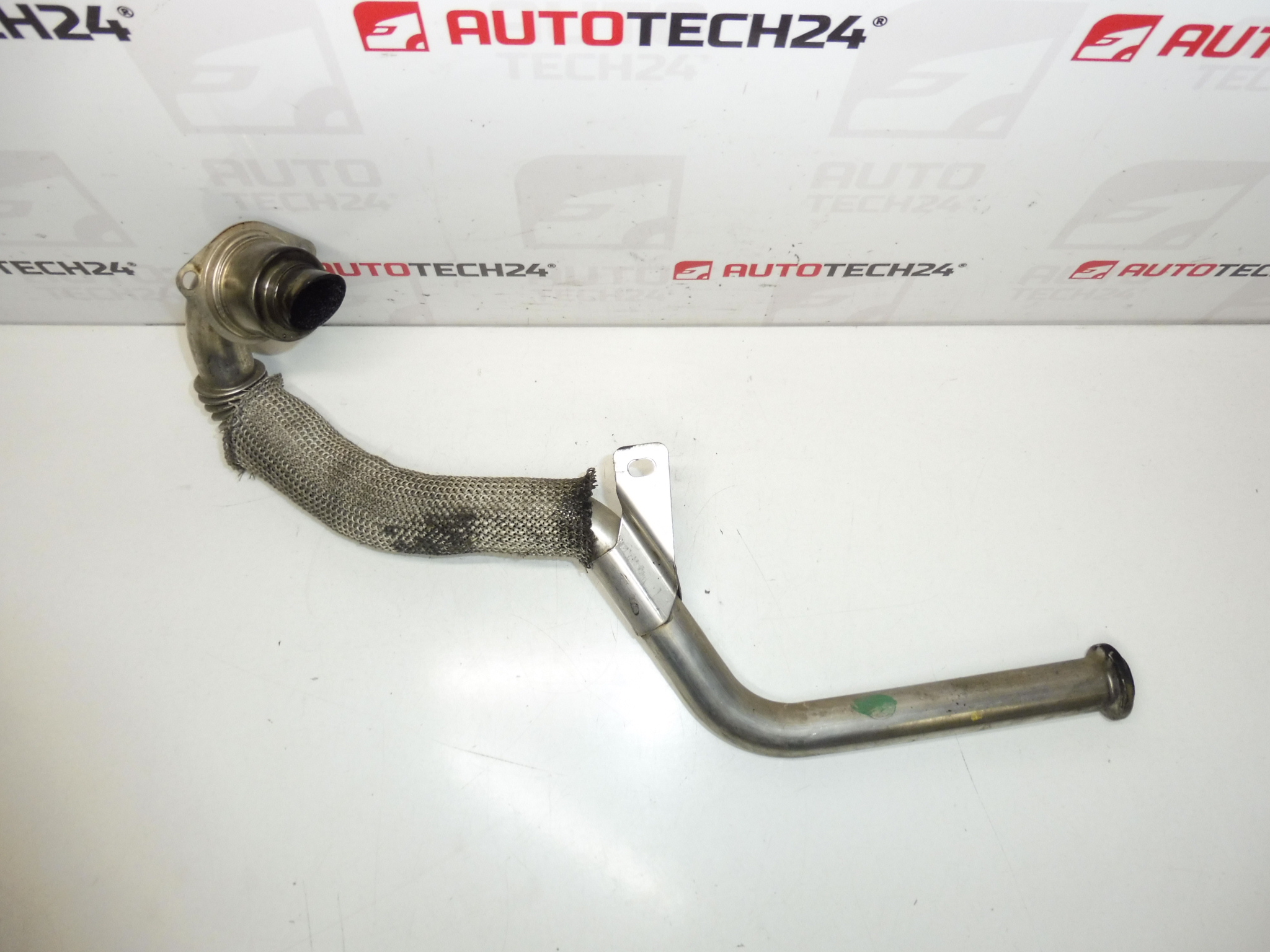
EGR exhaust gas recirculation pipe for CITROËN PEUGEOT 1.4 HDI 66 kW engines.
This EGR (Exhaust Gas Recirculation) pipe is a direct-fit replacement designed for 1.4 HDi diesel engines used in select Citroën and Peugeot models. The pipe channels recirculated exhaust gases between the exhaust and the intake to reduce combustion temperatures and lower NOx emissions. Correct fitment to the original routing and sealing surfaces ensures reliable operation, helps eliminate exhaust leaks, and restores proper EGR flow—important for smooth idling, turbo response and emission compliance. Commonly searched by part numbers 9643982180 and 1628ZY, this unit is a practical choice for professional workshops and DIY mechanics looking to replace a worn or leaking EGR pipe.
Compatibility is typically with small diesel models powered by the 1.4 HDi engine family. The pipe is often needed when carbon build-up, heat cycling or corrosion causes cracks, warping or gasket failure that lead to exhaust leaks and engine management faults. Replacing the pipe can stop intake contamination and reduce turbo lag caused by leaks upstream or downstream of the turbocharger.
Technical Information
- Manufacturer: Stellantis (Citroën / Peugeot)
- Model: Citroën C3; Peugeot 1007; Engines With 1.4 HDi 66 kW
- Product Codes: 9643982180; 1628ZY
- Additional Numbers: Engine Code 8HY; 16V; NFP
Installation Recommendations
Always work on a cooled engine. Recommended installation steps: Disconnect the negative battery terminal if required by the vehicle; remove any engine covers or intake components blocking access; loosen and remove clamps or bolts securing the EGR pipe at the EGR valve, turbocharger/exhaust manifold and intake manifold; replace all gaskets and seals with new items to ensure a gas-tight connection; fit the new pipe, hand-start bolts then torque to manufacturer values where available; reconnect hoses and vacuum lines removed for access. After installation, clear fault codes and run the engine to check for leaks and proper operation. Use new clamps and replace any brittle hoses to avoid future leaks.
Why This Part Commonly Fails
Typical failure modes include carbon and soot accumulation that restricts flow and increases back pressure, thermal fatigue and cracking from repeated hot-cold cycles, corrosion from condensation and exhaust by-products, and gasket or clamp deterioration. Symptoms of a failing EGR pipe include exhaust smells in the engine bay, rough idle, reduced performance, turbo lag, and engine management lights related to EGR or boost leaks.
Maintenance Tips And Troubleshooting
Inspect the EGR pipe during regular service intervals or when diagnosing EGR-related faults. If soot build-up is found, inspect adjoining EGR valve, cooler and intake passages; cleaning may temporarily help, but visible cracks or deformation require replacement. After fitting a new pipe, perform a smoke or pressure test if available to verify the system is leak-free and confirm that engine codes have been cleared and do not reappear.
Replacing the EGR pipe is a common repair in high-mileage 1.4 HDi vehicles, particularly those used for short, urban trips where soot accumulates faster. Correct installation and replacing associated gaskets/clamps will restore proper EGR operation and help prevent repeat failures.
Find this part by its product codes (9643982180, 1628ZY) to ensure quick identification and fitment for the listed models and engine types.