Description
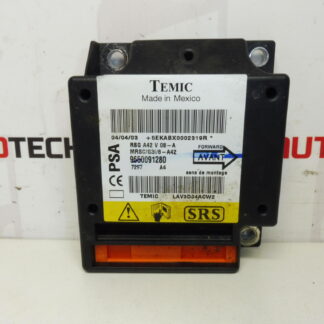
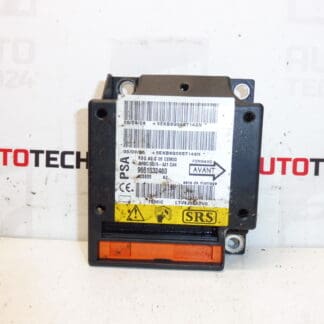
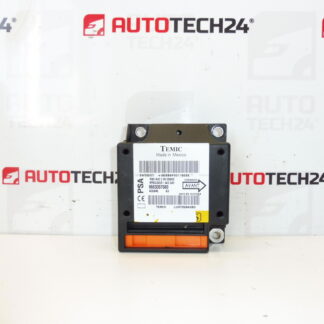
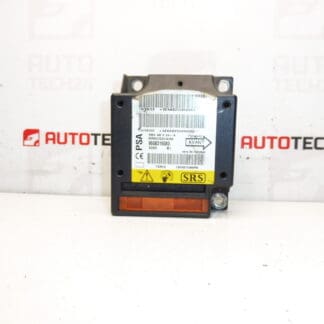
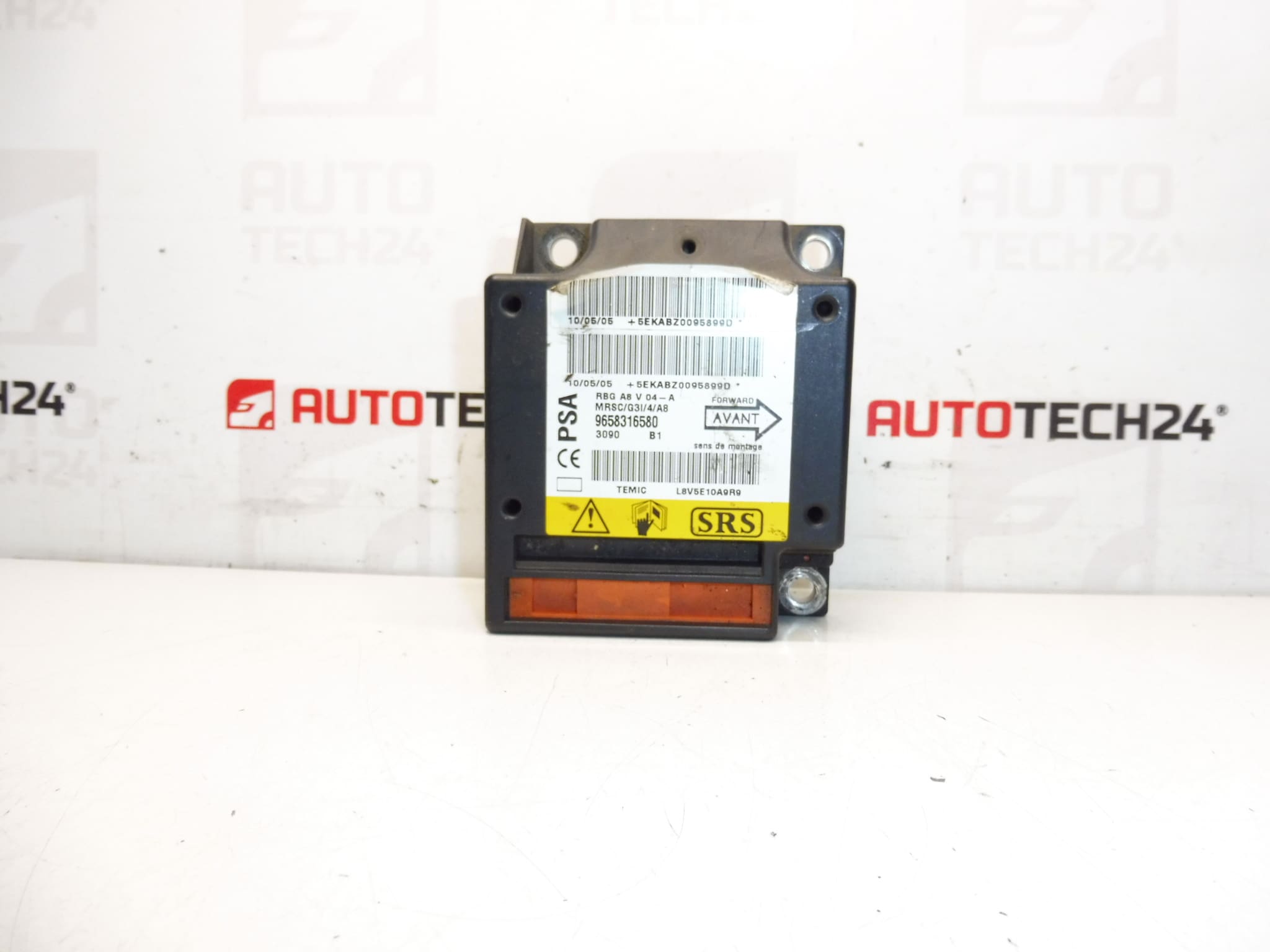
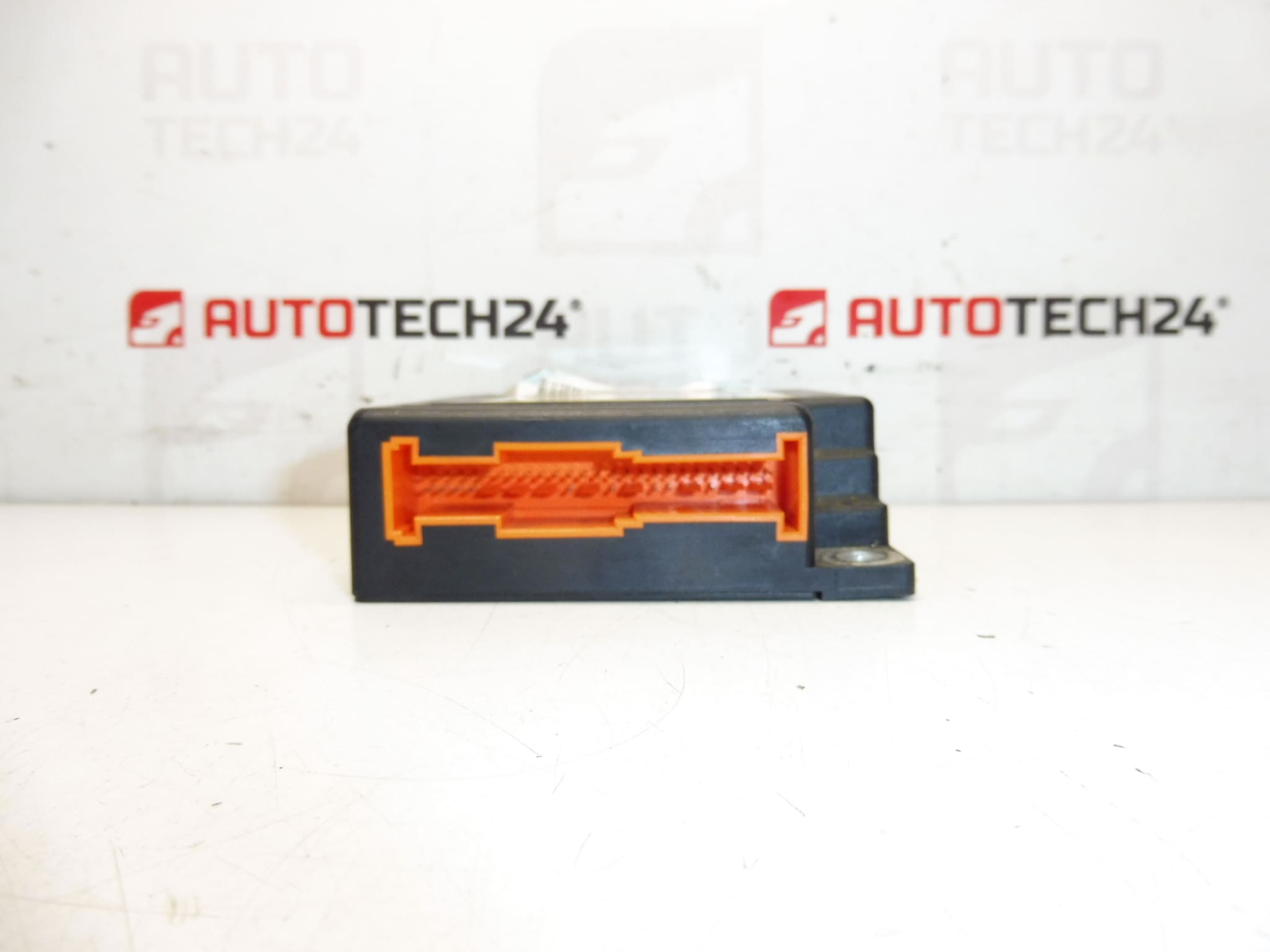
Airbag control unit for Citroën C2, C3 and C3 Pluriel.
This airbag control unit (SRS control module) is a vehicle safety electronics module designed to monitor crash sensors and control airbag and seatbelt pretensioner deployment. It is a direct-replacement unit commonly used on Citroën C2 and C3 models, often searched by OEM part numbers. The module stores fault codes and crash event data and must be installed and diagnosed with care by professional technicians or experienced DIYers.
Technical Information
- Manufacturer: Stellantis (Citroën / Peugeot)
- Model: Citroën C2, Citroën C3, Citroën C3 Pluriel
- Product Codes: 9658316580, 654583
- Additional Numbers: 654584, 654691
Compatibility And Notes
Fits Citroën C2 and C3 platforms including C3 Pluriel variants where the listed part numbers apply. This unit is frequently looked up by the above part numbers; matching the number on the old module is the fastest way to confirm interchangeability. The exact location and connector layout may vary depending on vehicle equipment and model year.
Installation
Replacement of the airbag control unit requires careful, safety-minded work. Typical replacement steps:
- Disconnect the negative battery terminal and wait at least 15 minutes to allow SRS capacitors to discharge.
- Locate the SRS control module (commonly under the center console or mounted beneath a front seat depending on model and trim).
- Remove surrounding trim and secure fastenings to access the module. Keep track of screws and clips.
- Unplug all airbag and sensor connectors by releasing locking tabs; avoid pulling on wires.
- Unbolt the module from its mounting bracket and remove the unit.
- Install the replacement unit in the original orientation, torque fasteners to manufacturer specifications, and reconnect all plugs until locks engage.
- Reconnect the battery. Use a professional diagnostic tool to read and clear SRS fault codes and verify that the airbag warning light extinguishes and that no stored crash data prevents normal operation.
Only qualified technicians should perform coding or advanced diagnostics. If the airbag warning light remains on after replacement, further diagnosis with a capable scan tool is required.
Recommended Service Life
Airbag control units are intended to remain in service for the life of the vehicle. Failures are uncommon without an external cause; however, the unit will always require replacement after a deployed airbag event or if damaged by moisture or electrical faults.
Most Common Reasons For Failure
- Airbag deployment following a collision — the module records crash data and is usually replaced afterwards.
- Water ingress or corrosion — moisture reaching the unit or its connectors can cause electrical failure.
- Electrical faults — voltage spikes, poor grounding, or damaged wiring/connectors can damage internal electronics.
- Physical damage from improper handling or prior accident repairs.
- Stored crash data from a previous impact that prevents normal operation until the unit is replaced or cleared by an authorized procedure.
Practical Tips For Mechanics And DIYers
- Always remove vehicle power and wait the recommended discharge time before touching SRS components.
- Inspect connectors and wiring for corrosion or heat damage when replacing the module.
- Keep the module and connectors dry; avoid working in wet conditions.
- Use the part numbers printed on the original unit when searching for replacements—this part is often found under 9658316580, 654583, 654584, 654691.
- After replacement, confirm system status with a diagnostic scanner capable of SRS operations to clear faults and confirm sensor integrity.
This product listing is targeted at professional technicians and competent vehicle owners carrying out advanced repairs. Proper installation and post-replacement diagnosis ensure occupant safety systems function as intended.