Description
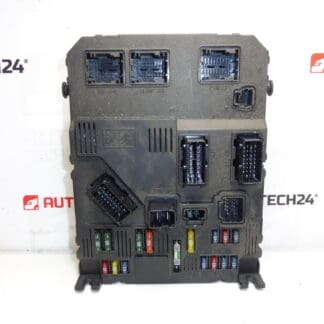
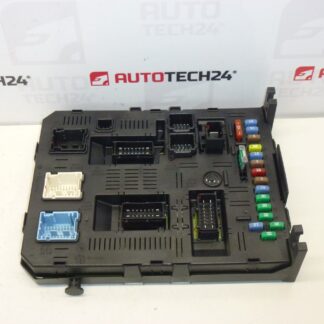
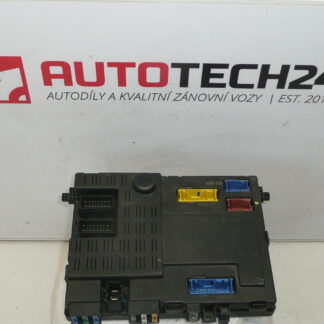
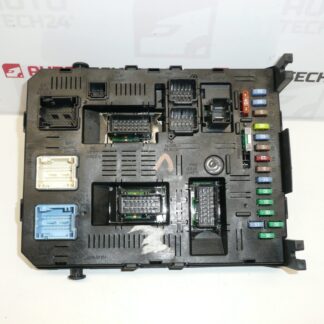
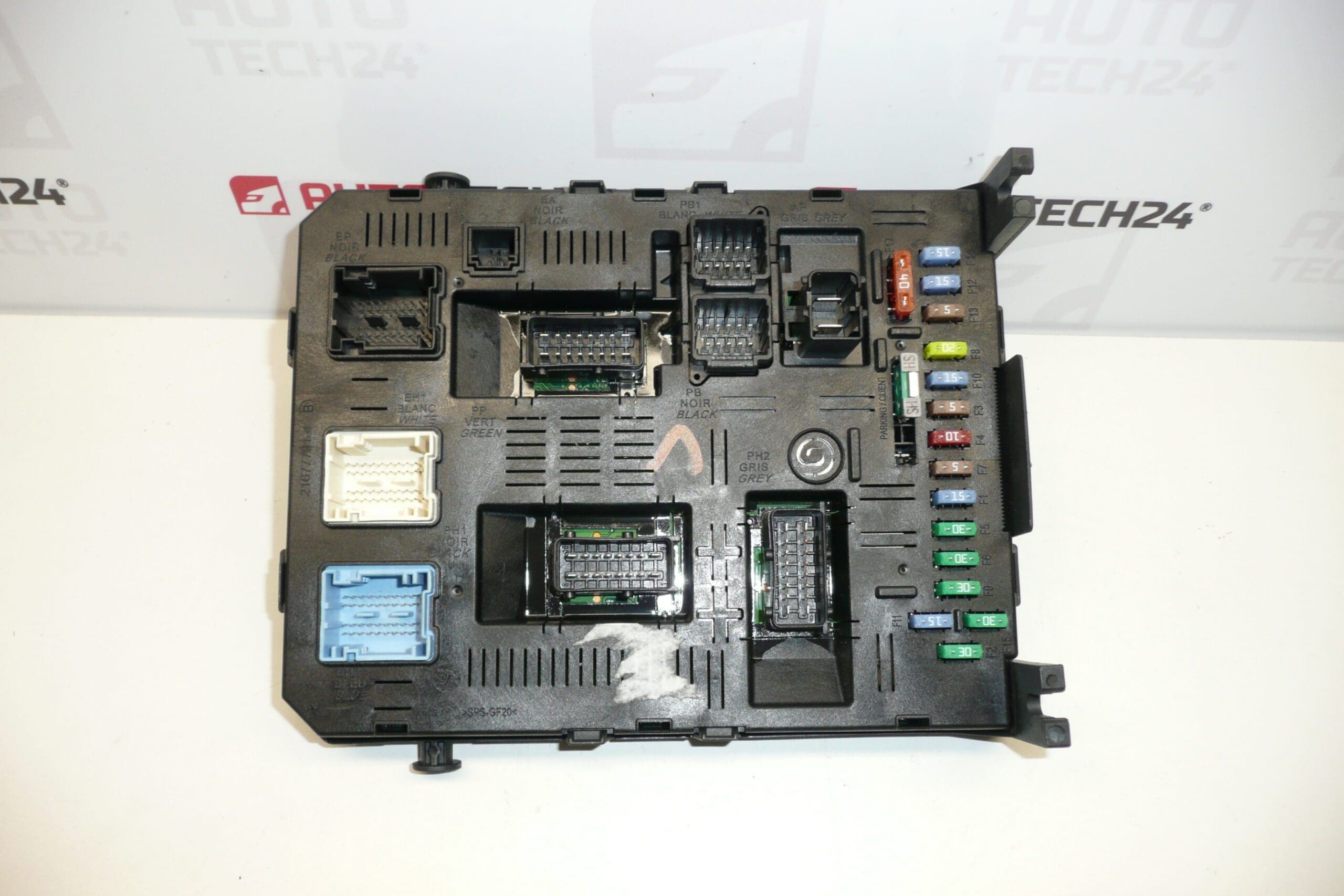
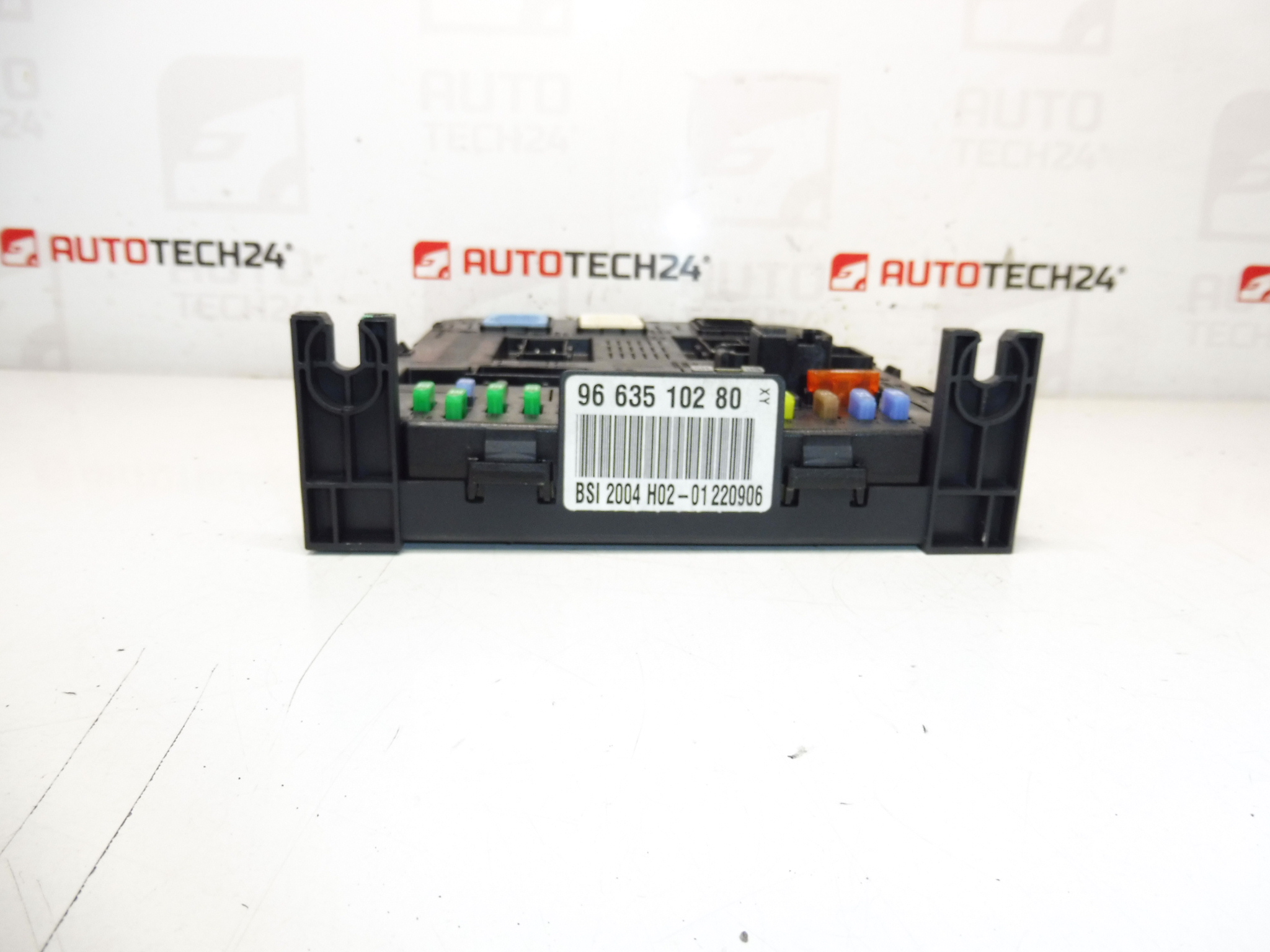
BSI Control Unit Johnson Controls for Citroën and Peugeot vehicles
High-quality replacement BSI (Built-in Systems Interface) control unit for Citroën and Peugeot cars, suitable for professional workshops and experienced do-it-yourself mechanics. This unit matches common PSA part numbers including 9663510280, 9663798380, 1660728780 and module codes 6580JA, 6580QE, 6580JC — enter these codes when searching to find the correct fit. The BSI centralises and controls multiple body functions (lighting, central locking, wipers, windows, interior electronics and immobiliser communication), restoring reliable operation of vehicle comfort and convenience systems when the original unit fails.
Technical Information
- Manufacturer: Johnson Controls
- Model: BSI 2004 H02-01
- Product Codes: 9663510280, 9663798380, 1660728780
- Other Numbers: 6580JA, 6580QE, 6580JC
Compatibility
Commonly fitted to Peugeot 307 and other Citroën/Peugeot models from the same platform generation that use the BSI 2004 H02-01 family and the product codes listed above. Verify the unit’s part number against your vehicle’s existing module label to ensure compatibility before installation.
Installation Recommendations
- Preparation: Work with the vehicle battery disconnected to avoid damage to the electronics and airbags. Wait a few minutes after disconnecting to allow capacitors to discharge.
- Access: The BSI is located inside the passenger compartment—typically behind trim panels or under the dashboard near the fuse box. Remove surrounding panels carefully to avoid breaking clips.
- Removal: Unplug all electrical connectors and remove mounting screws. Handle connectors by the housings; do not pull on wiring.
- Reassembly: Refit the unit and connectors securely. Reconnect the battery only after the module is correctly seated and all connections are made.
- Programming/Initialization: After physical installation, coding or data transfer may be required for full function (see Installation and Coding – Important below).
Installation and Coding – Important
- The unit is used and is “paired” with the original vehicle (VIN/PIN/keys).
- Options for commissioning:
- Cloning data from the old unit (EEPROM/Flash) – after cloning the unit is plug and play.
- Virginisation and subsequent initialization/telecoding via DiagBox (or online) + key adaptation.
- Recommended to be performed by a professional with PSA service equipment (DiagBox/Lexia/PP2000).
- Always disconnect the battery before removal/installation and follow the manufacturer’s procedure to avoid damaging the unit.
Why This Part Fails Most Often
BSI modules typically fail due to age-related factors and environmental stress: moisture ingress or condensation, corrosion on connectors, cracked solder joints from thermal cycling, power surges or voltage spikes, and physical damage from collisions or improper handling during service. Faulty batteries or poor battery connections can also cause electronics faults that accelerate BSI failure.
Typical Symptoms Indicating BSI Fault
- Intermittent or total loss of central locking, electric windows or interior lights.
- Warning lights on the dashboard or erroneous lamp behavior.
- Key not recognized, immobiliser-related no-start condition.
- Non-functional wipers, horn or heated rear screen due to missing outputs from the BSI.
- Communication errors on diagnostic tools relating to body modules.
This BSI unit is a direct swap candidate when the part numbers match. For reliable commissioning and to restore full vehicle functions, plan for cloning or proper initialization with compatible PSA diagnostic tools.