Description
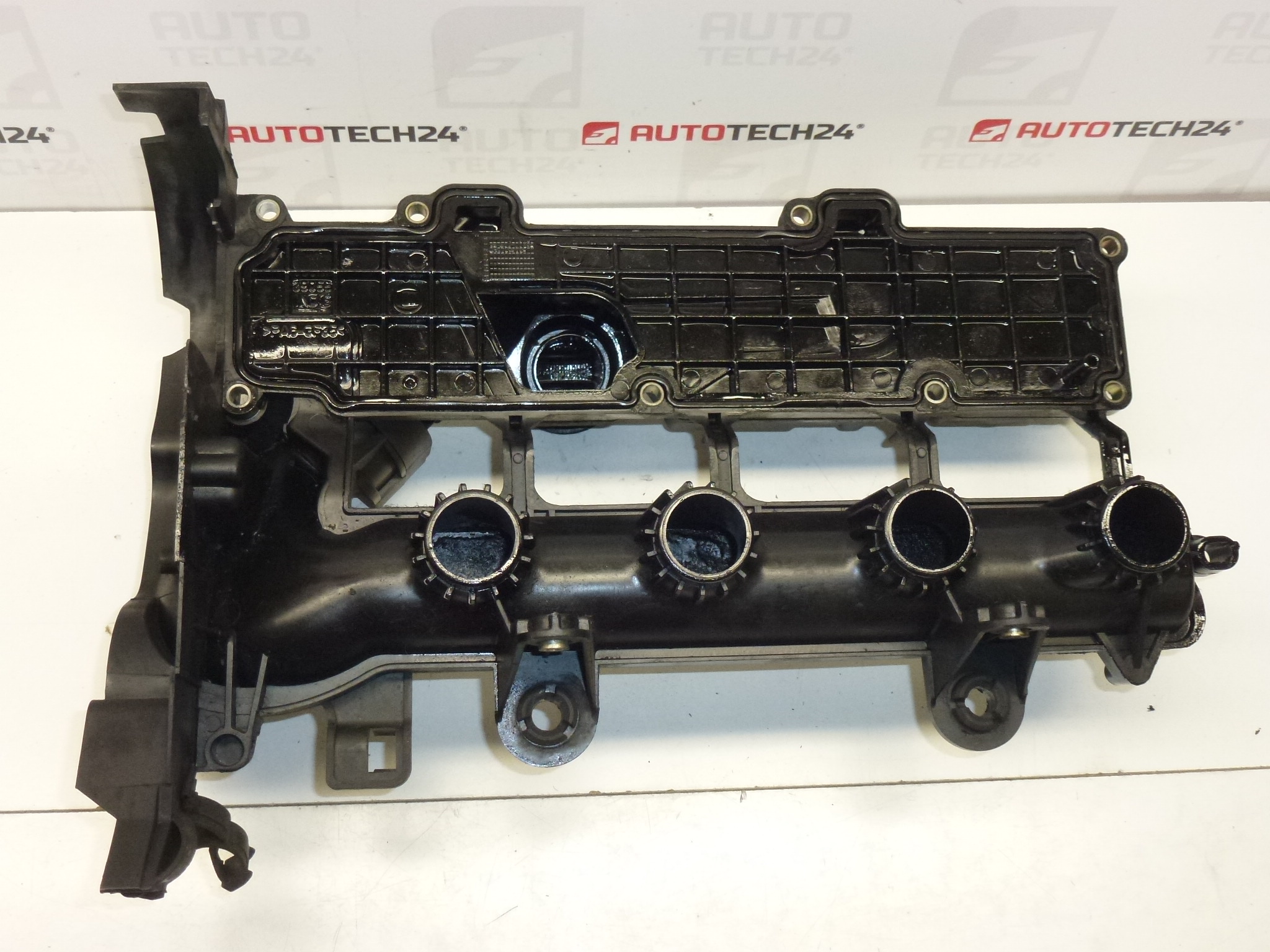
Air Intake 1.4 HDi Citroën And Peugeot
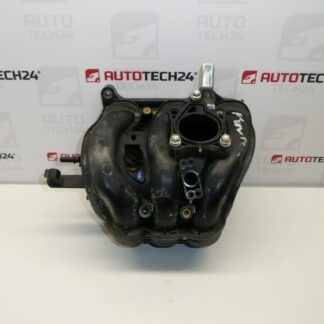
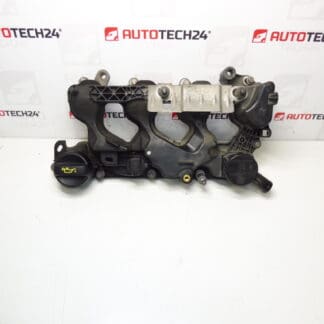
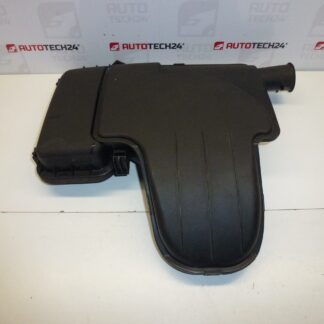
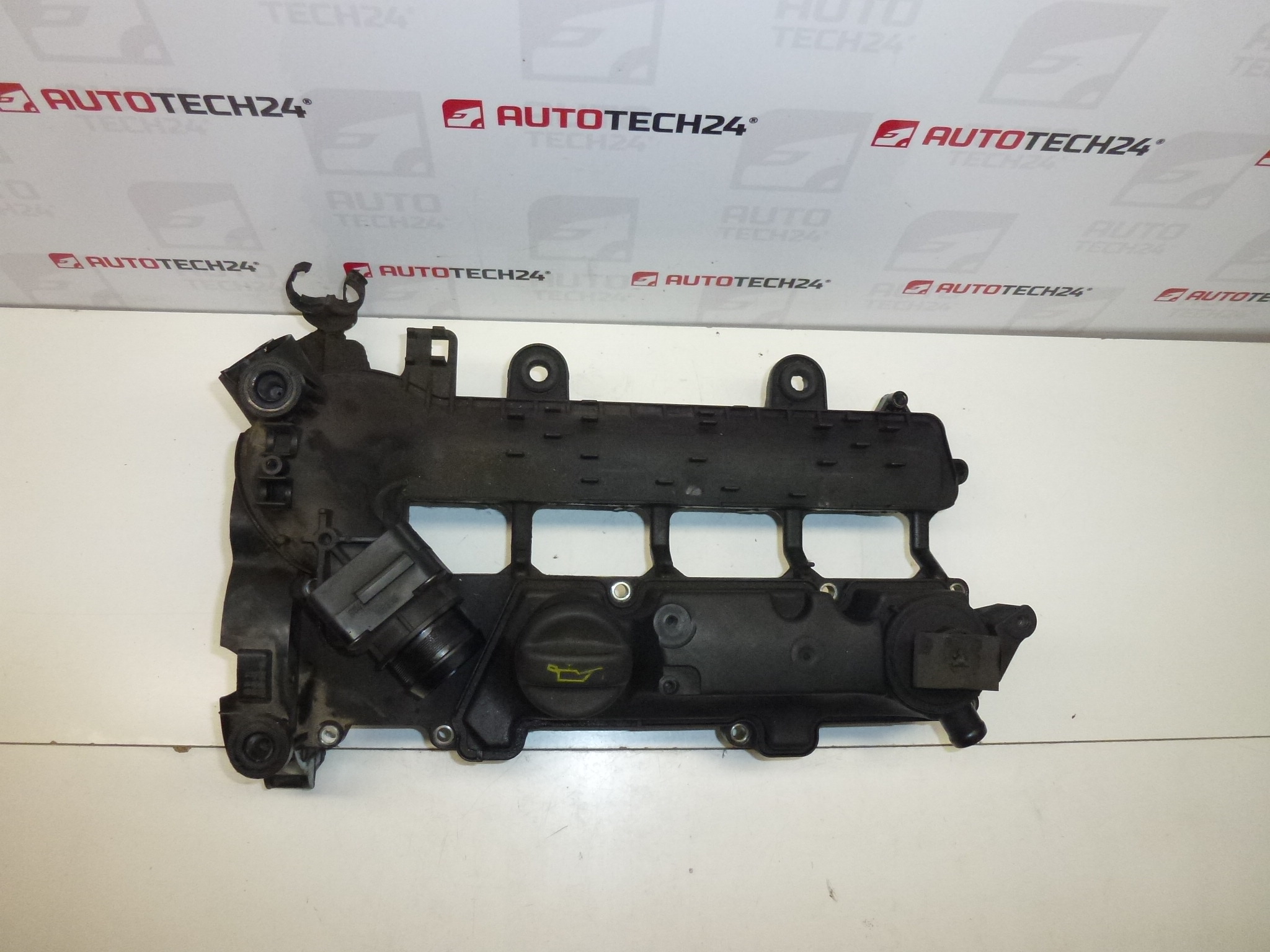
High-quality replacement air intake for 1.4 HDi engines used on Citroën and Peugeot models. Direct-fit application with OEM reference numbers ensures correct mounting and reliable air supply to the engine. Replacing a worn or damaged intake restores proper airflow, helps maintain accurate air/fuel mixture and can eliminate rough idle, loss of power or unexpected surging caused by leaks or restrictions.
Key Benefits
- Direct Fit For 1.4 HDi Engines — Designed To Match Factory Geometry And Mounting Points.
- Restores Proper Airflow — Reduces Risk Of Unmetered Air Ingress That Causes Poor Idle And Fuel Trim Issues.
- OEM Reference Numbers Included — Easier To Find Using Part Codes: 9645371180, 9646698680, 0361N4.
- Suitable For Professional Garages And DIY Mechanics — Simple Replacement Procedure With Basic Tools.
Technical Information
- Manufacturer: Stellantis (Citroën / Peugeot)
- Model: Citroën C2; Citroën C3; Citroën C3 Pluriel; Peugeot 206; Peugeot 207
- Product Codes: 9645371180, 9646698680
- Other Numbers: 0361N4, NFP
Fitment And Application
This air intake is intended for vehicles equipped with the 1.4 HDi diesel engine used across Citroën and Peugeot small-car platforms. It replaces the original intake ducting/airfeed parts and is compatible with the OEM numbers listed above. Verify physical fitment against the original part before installation when variations exist between production years and submodels.
How To Replace
Replacement is straightforward for a competent mechanic or experienced DIYer. Typical steps:
- Work On A Cold Engine And Park On Level Ground.
- Loosen Hose Clamps Securing The Intake To The Airbox And Turbo/Throttle Body.
- Disconnect Any Sensors Or Vacuum Lines Attached To The Intake (Note Their Position For Reassembly).
- Remove Old Intake, Inspect Mating Surfaces, And Clean Any Debris Or Oil Residue.
- Fit New Intake, Ensure Correct Seating Of Seals And Clamps, Reconnect Sensors And Hoses.
- Tighten Clamps To Manufacturer Recommendations And Perform A Visual Leak Check At Idle.
Installation Recommendations
- Inspect Adjacent Hoses, Clamps And Mounting Tabs — Replace Any Brittle Or Damaged Components.
- Ensure MAF Sensor (If Present) Is Clean And Properly Seated; Contamination Can Affect Readings.
- Use New Hose Clamps If The Old Ones Show Corrosion Or Deformation.
- After Installation, Start The Engine And Check For Air Leaks, Unusual Noises Or Check Engine Lights.
Why The Part Commonly Fails
- Age And Heat Exposure — Rubber And Plastic Components Harden, Crack Or Become Brittle Over Time.
- Vibration And Mechanical Stress — Broken Mounting Tabs Or Loosened Clamps Lead To Leaks.
- Oil Contamination — EGR And PCV Systems Can Introduce Oil Residue, Causing Build-Up And Restrictions.
- Physical Damage — Impact During Maintenance Or Road Debris Can Cause Cracks Or Holes.
Useful Tips
When replacing the intake, check for related symptoms such as rough idle, hesitation under load, increased fuel consumption or intermittent stalling — these often point to intake leaks or MAF sensor issues. Keeping the intake system intact ensures predictable engine management and longevity of downstream components.