Description
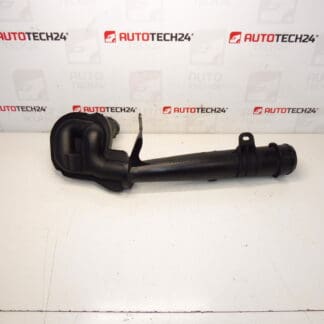
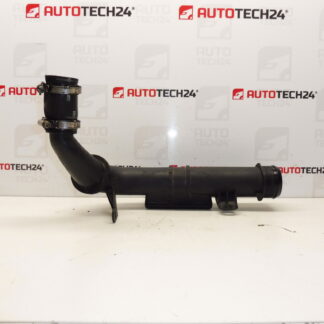
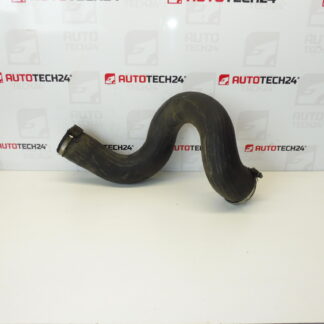
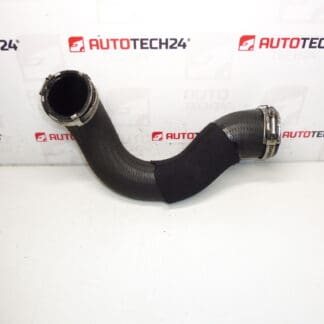
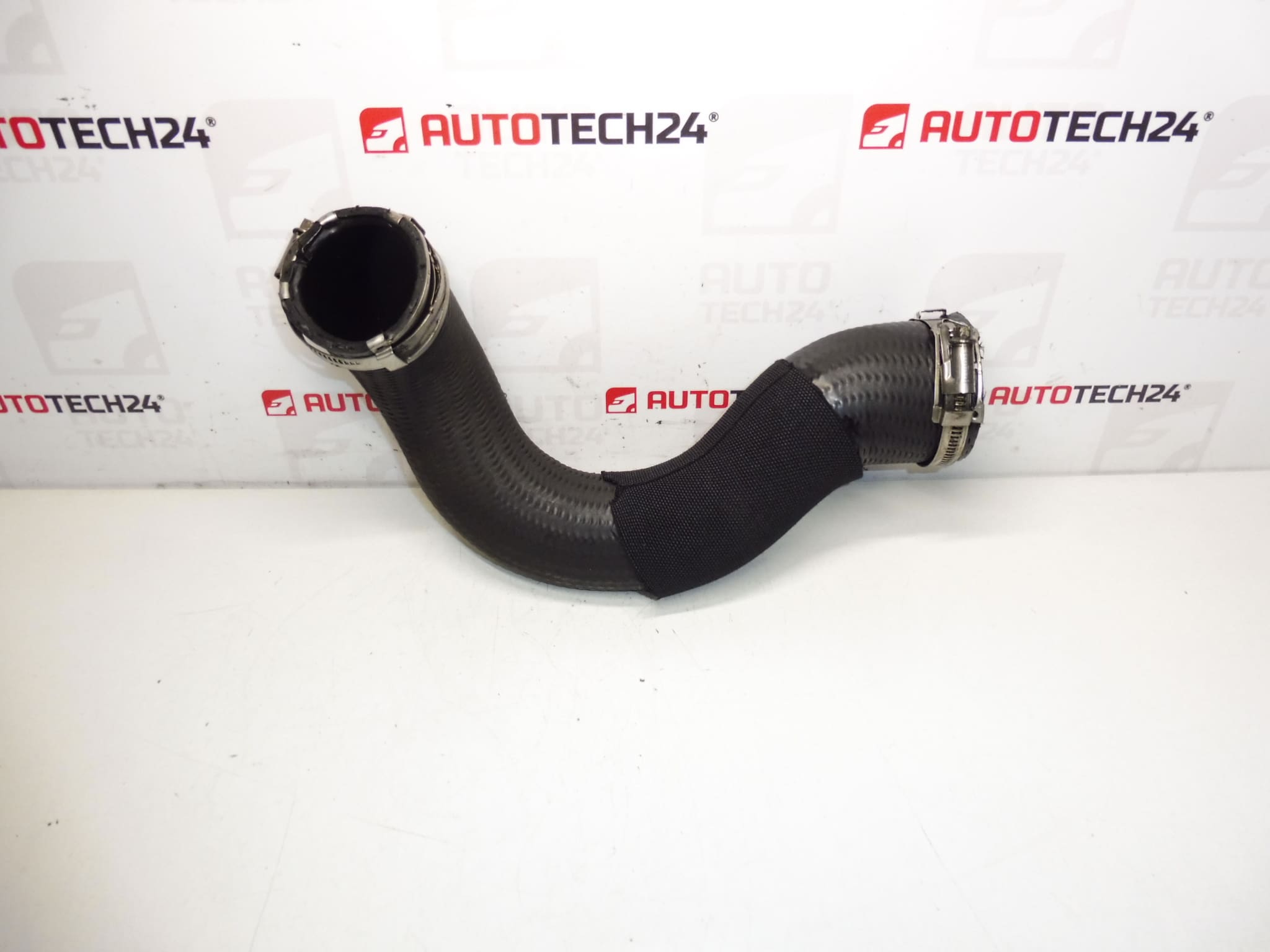
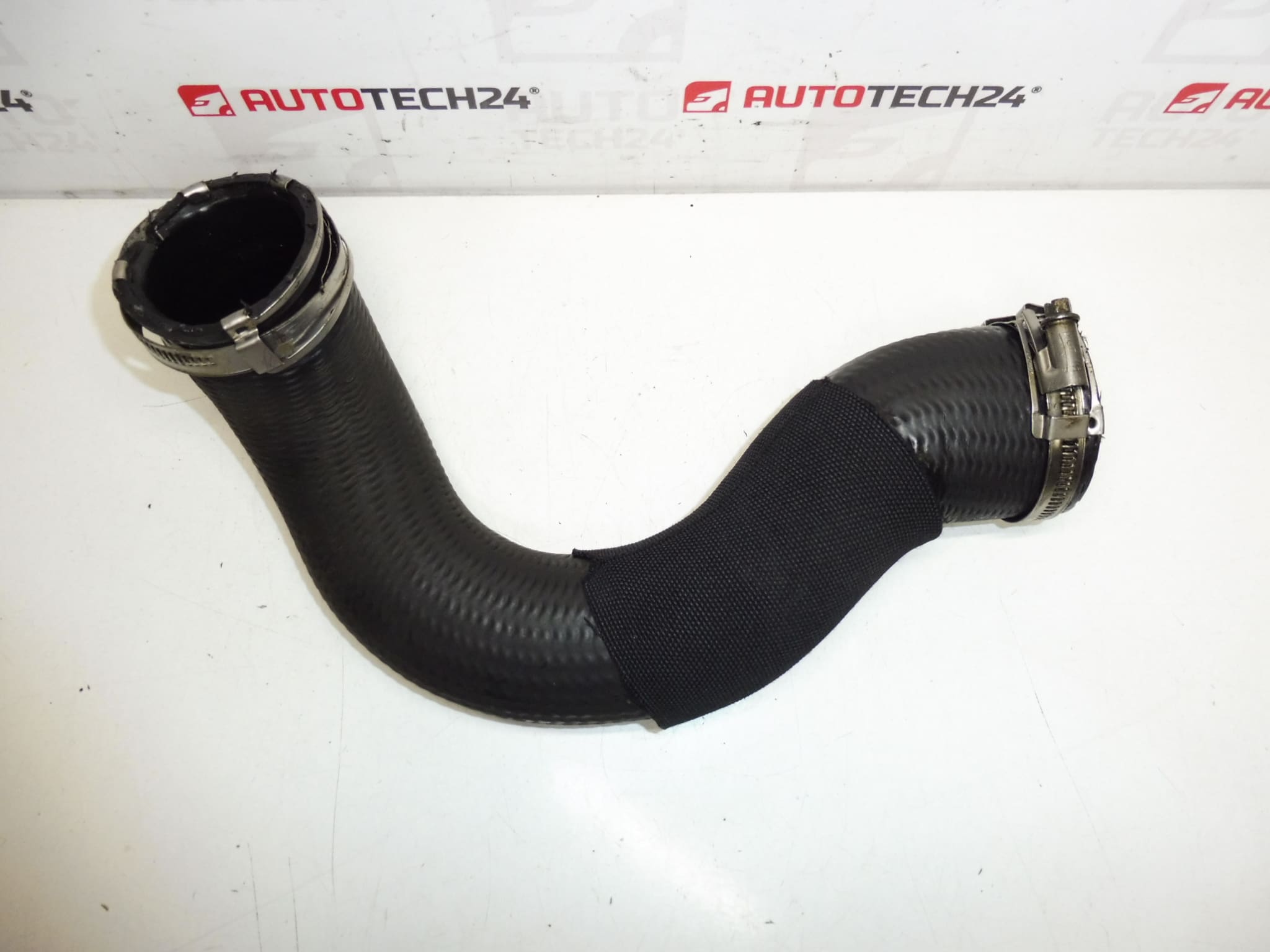
Air connection at the intercooler for Citroën and Peugeot vehicles with the 2.0 HDi RH02 engine.
High-quality intercooler air connection (hose/pipe) designed for Citroën and Peugeot 2.0 HDi RH02 engines. Ideal for auto technicians and DIY enthusiasts looking for a reliable replacement part to restore correct boost delivery, reduce turbo lag and eliminate boost leaks. Frequently searched under part code 0382NF — include this reference when searching or ordering.
Technical Information
- Manufacturer: Stellantis
- Model: Citroën C4 Picasso; Citroën C5 X7; Peugeot 3008 I; Peugeot 5008 I (with 2.0 HDi RH02 engine)
- Product Codes: 0382NF
- Additional Numbers: RH02 (Engine Code)
Function
This component connects the turbocharger/intercooler outlet to the intake tract and guides compressed air into the engine. It Maintains Boost Pressure, Ensures Stable Airflow And Protects Against Uncontrolled Air Leaks That Cause Loss Of Power, Increased Fuel Consumption And Poor Throttle Response.
Common Failure Reasons
- Ageing And Material Degradation: Rubber And Plastic Sections Harden, Crack Or Split After Repeated Heat Cycles.
- Oil Contamination: Turbocharger Oil Leaks Accelerate Deterioration Of Hose Material.
- Mechanical Damage: Abrasion From Contact With Nearby Components Or Incorrectly Fitted Clamps.
- Overpressure Events: Sudden Boost Spikes Or Faulty Wastegate/Blow-Off Valve Can Cause Seams Or Joints To Fail.
- Loose Or Corroded Clamps: Poor Sealing Leads To Intermittent Leaks And Loss Of Performance.
Installation Recommendations
- Preparation: Allow Engine To Cool Completely And Relieve Any Residual Boost Pressure Before Starting Work.
- Removal: Loosen Hose Clamps, Remove Any Retaining Clips Or Brackets, And Carefully Withdraw The Old Hose To Avoid Damaging Adjacent Sensors Or Pipes.
- Fitment: Clean Mating Surfaces On The Turbo, Intercooler And Intake Pipes. Check For Warping Or Damage. Slide The New Connection Into Position Ensuring Correct Orientation.
- Clamping: Use New Or Serviceable Clamps. Tighten Evenly To Manufacturer Recommendations — Avoid Overtightening That Could Crush The Hose.
- Final Checks: Start Engine And Inspect For Leaks At Idle And Under Boost (Road Test Or Controlled Load). Re-check Clamp Tightness After First Heat Cycle.
- Tip: Apply A Thin Film Of Engine-Oil-Resistant Lubricant To Aid Assembly If Fit Is Tight. Avoid Excessive Lubricant That Could Attract Dirt.
Fitment And Compatibility Notes
This part Is Intended For Vehicles Equipped With The 2.0 HDi RH02 Engine. Compatibility Is Typically Model- And Engine-Specific — Use The Part Code 0382NF When Searching For Exact Fitment. Ensure The Hose Shape And Clamp Locations Match The Original Component Before Installation.
Why Replace This Part
Replacing A Worn Or Damaged Intercooler Connection Restores Proper Boost Pressure, Improves Engine Response And Reduces Risk Of Secondary Damage To Turbocharger And Intake Components. For Workshops And Experienced DIYers, This Is A Cost-Effective Repair That Quickly Returns Driveability And Fuel Efficiency.