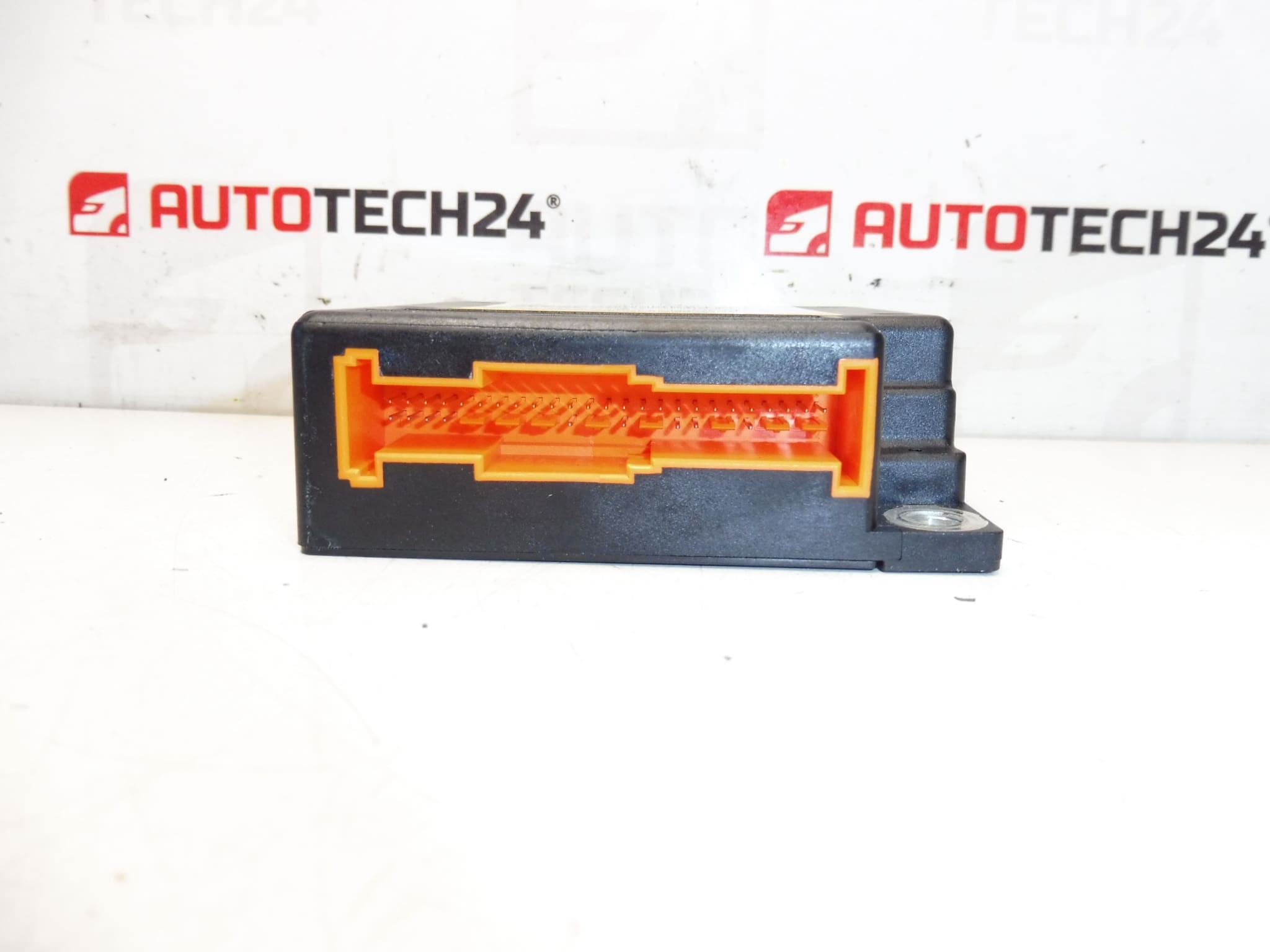
Description
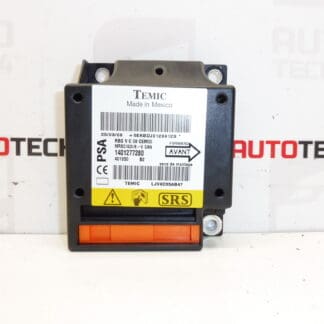
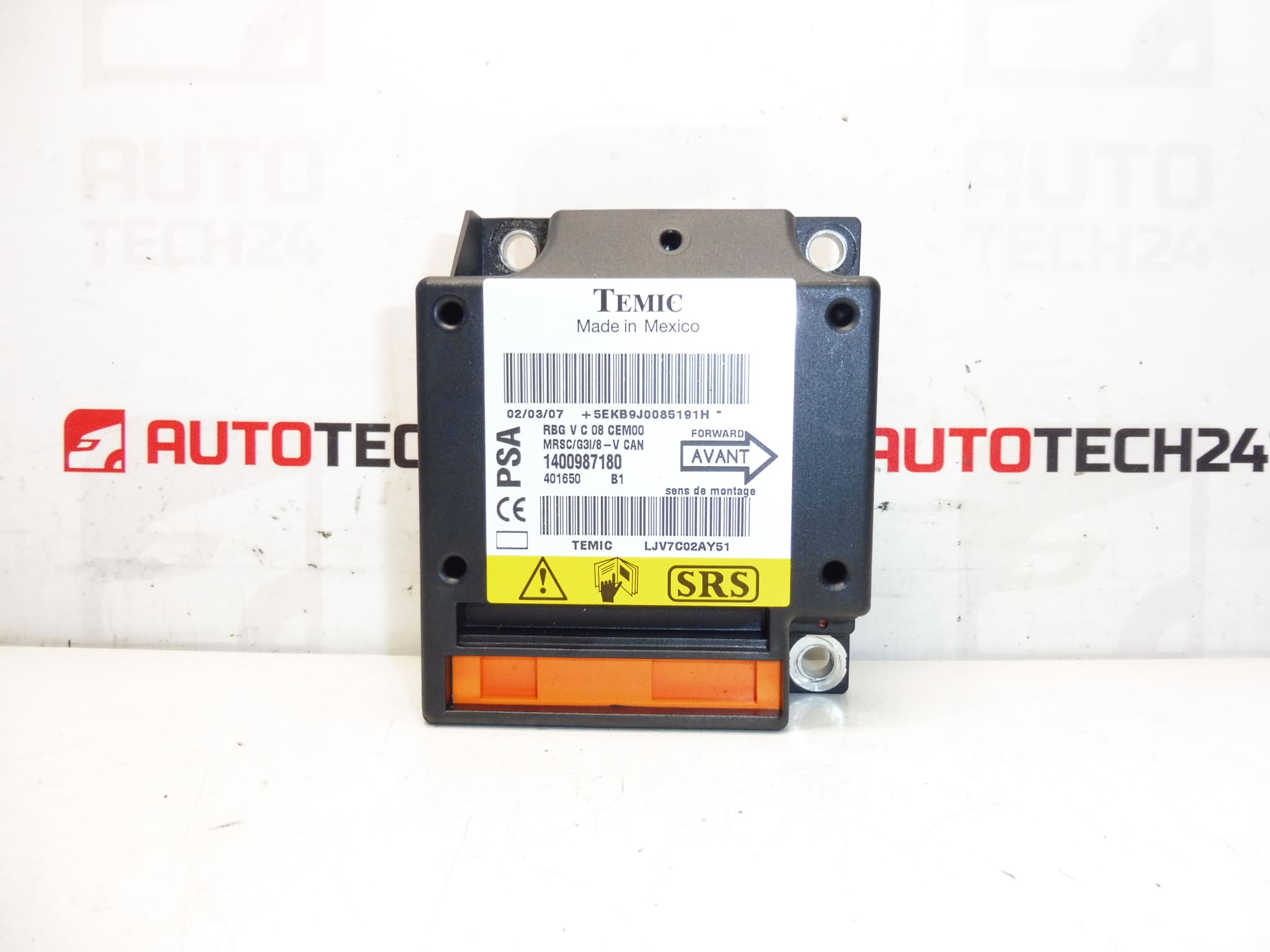
Airbag control unit for CITROËN C8 and PEUGEOT 807. Fully functional.
This airbag control unit (SRS/airbag ECU) is a direct-fit safety module used in Citroën C8 and Peugeot 807 models. It monitors crash sensors, controls deployment of airbags and pretensioners, and communicates fault information to the vehicle diagnostic system. Many customers search by part number, so the listed OEM references help find the correct unit quickly.
Technical Information
- Manufacturer: Stellantis (Citroën / Peugeot)
- Model: Citroën C8, Peugeot 807
- Product Codes: 1400987180, 6546H0, 6546H1
- Additional Numbers: 1400987180; 6546H0; 6546H1
Function And Value
The unit is the central control for the Supplemental Restraint System (SRS). It interprets inputs from impact sensors and seatbelt pretensioners, decides whether to trigger airbag inflation, stores crash data and fault codes, and drives the airbag warning lamp on the dashboard. A correctly functioning airbag ECU is essential for occupant safety and for the SRS system to report accurate diagnostics.
Installation Recommendations
- Always disconnect the vehicle battery before starting work and wait at least 10 minutes to allow capacitors to discharge.
- Follow the vehicle manufacturer’s workshop manual for access and removal procedures. The unit is typically accessed from behind interior trim or under the centre console/dashboard.
- Handle the module and connector pins carefully—avoid static discharge and contaminated contacts.
- After fitting, clear stored fault codes and verify the airbag warning lamp extinguishes using an appropriate diagnostic tool. Ensure correct electrical connections and secure mounting to original torque/specifications.
- Never attempt repairs on the unit’s internal electronics unless performed by a qualified specialist; replace the unit if internal damage is evident.
Common Failure Causes
Airbag control units are designed to last the vehicle’s service life but can fail for several reasons: previous crash damage or stresses from deployment, water ingress or damp conditions causing corrosion, electrical surges or short circuits, damaged wiring or connectors, and long-term component ageing. Faults are most often detected as persistent airbag warning lights and stored diagnostic trouble codes.
Practical Notes For Mechanics And DIY Enthusiasts
This unit is suitable for professional workshops and experienced DIYers who follow safety procedures for SRS systems. Searching or ordering by the listed part numbers (1400987180, 6546H0, 6546H1) will increase the chance of finding the correct replacement. After replacement, confirm system integrity with a diagnostic scanner and road-test the vehicle as required by the repair procedure.