Description
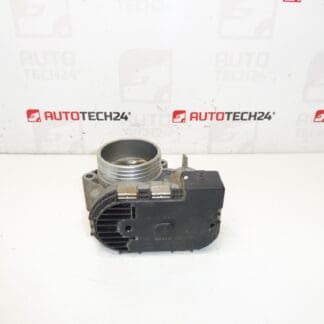
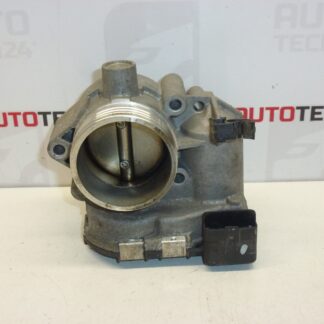
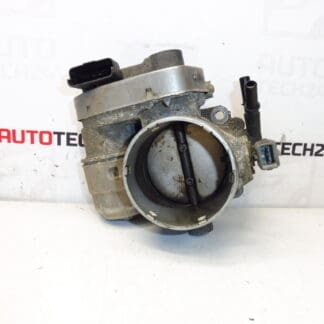
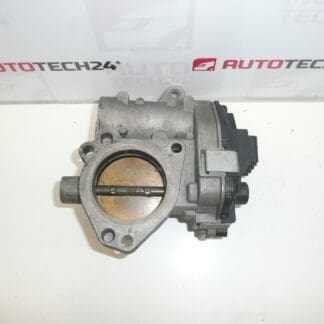
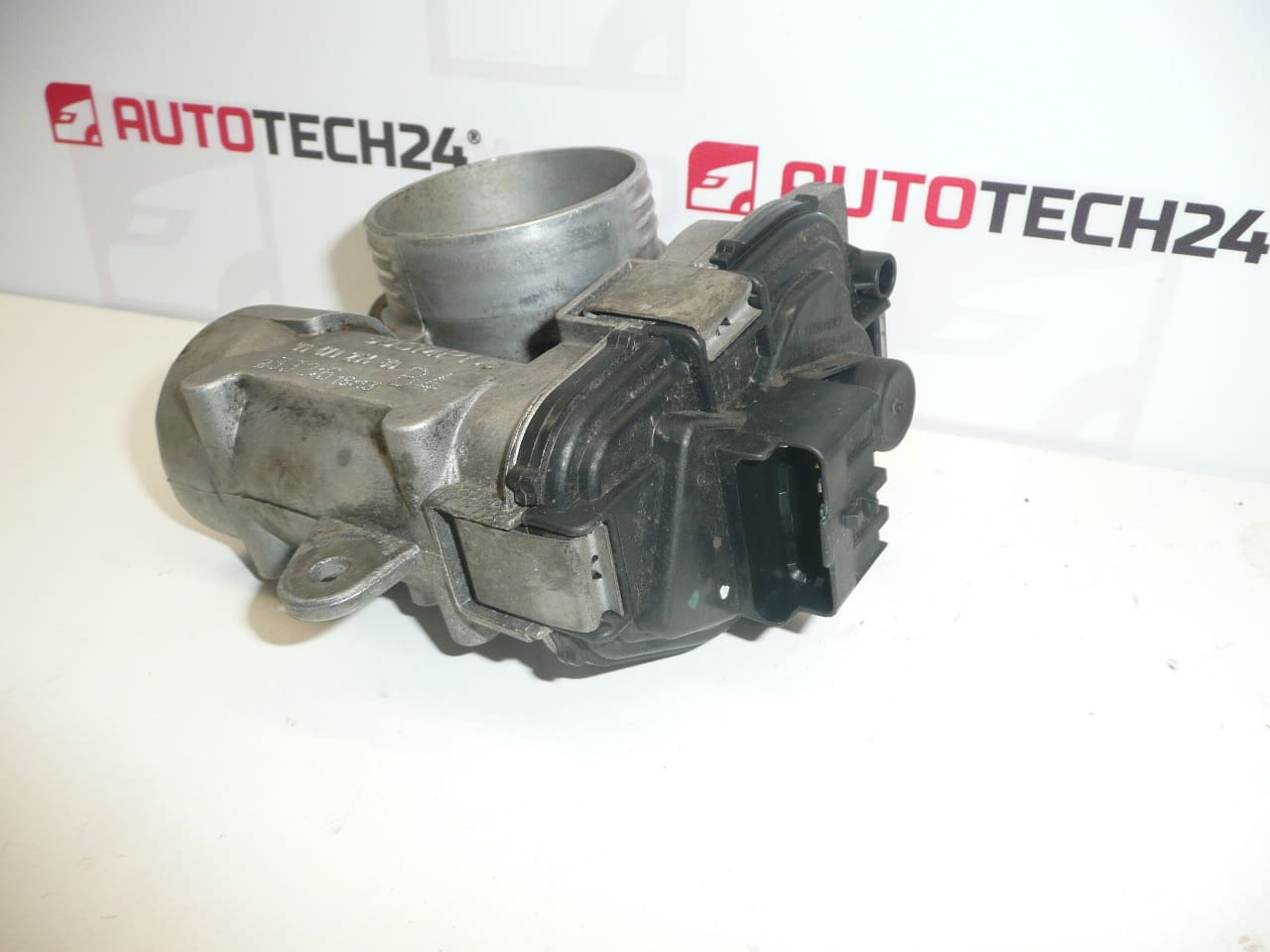
Throttle body, throttle body inlet for 1.4 16V and 1.6 16V engines for Citroën and Peugeot vehicles.
This replacement intake throttle body is designed for a range of Stellantis 1.4 16V and 1.6 16V petrol engines used across Citroën and Peugeot models. Ideal for professional workshops and experienced DIY mechanics, the unit restores correct air metering and throttle response on cars that suffer from poor idle, hesitation or limp-home mode caused by a faulty or dirty throttle assembly. Commonly searched by part number, this item improves findability in online searches when using OEM references such as 9647925480 or 1635W2.
Technical Information
- Manufacturer: Stellantis (Citroën / Peugeot)
- Model: 1.4 16V, 1.6 16V Engine Applications
- Product Codes: 9647925480, 1635W2
- Other Numbers: NFP (as listed)
Applicable Vehicles
Fits a variety of Citroën and Peugeot models equipped with the 1.4 16V and 1.6 16V engines, including (but not limited to): Citroën Berlingo, Citroën C2, Citroën C3, Citroën C3 Pluriel, Citroën C4, Peugeot 206, Peugeot 307, Peugeot Partner. Always confirm engine type and part number compatibility before installation.
Function And Symptoms Of Failure
The throttle body controls the amount of intake air into the engine either via a mechanically linked butterfly or an electronically controlled throttle actuator. Symptoms of a failing or contaminated throttle body include unstable or high idle, hesitation under acceleration, reduced engine power, increased fuel consumption and illumination of the engine management warning lamp with related throttle/airflow fault messages. Electrical faults in the throttle position sensor or actuator, vacuum leaks at the throttle flange, and heavy carbon deposits on the butterfly plate are the most common causes.
Replacement And Installation Recommendations
- Safety First: Always disconnect the vehicle battery before removing the throttle body to prevent electrical damage and accidental actuator movement.
- Removal: Remove the intake ducting and airbox to gain access, unplug the electrical connector, disconnect any vacuum lines, and unbolt the throttle body from the intake manifold.
- Fitment: Clean the mating surfaces on the intake manifold, replace the gasket/seal, install the new throttle body and tighten fasteners to the manufacturer’s torque specifications. Reconnect electrical and vacuum lines and the intake ducting.
- Post-Fit Checks: Check for intake leaks, ensure wiring connectors are clean and undamaged, and verify the throttle returns smoothly by hand (with ignition off). If the vehicle has an electronic throttle, an adaptation or idle relearn procedure may be required via diagnostic tool.
- Tools & Tips: Common tools include basic hand tools, a multimeter for electrical checks, and a diagnostic scanner for fault code reading and throttle adaptation. Replace clamps and seals as needed to ensure an air-tight installation.
Why This Part Fails Most Often
Throttle bodies on these engines typically fail or become problematic due to carbon and oil buildup on the butterfly and bore, which restricts movement and interferes with sensors. Electrical connector corrosion, damaged wiring or a failing throttle position sensor/actuator can also produce faults. Urban driving with frequent idling accelerates deposit formation and wear.