Description
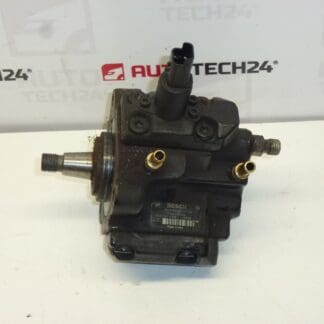
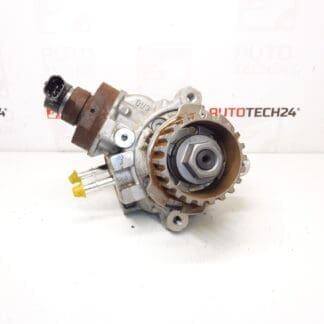
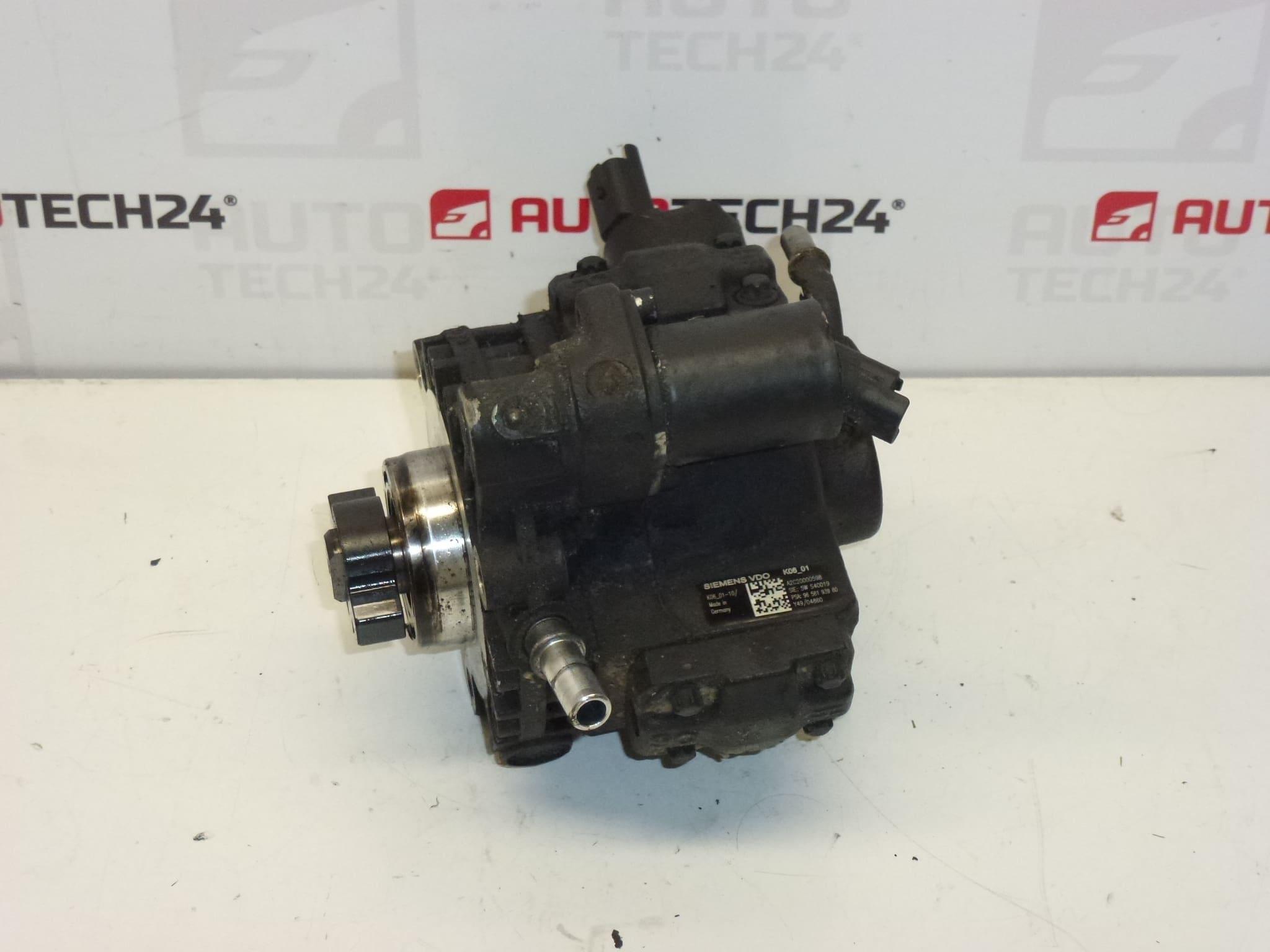
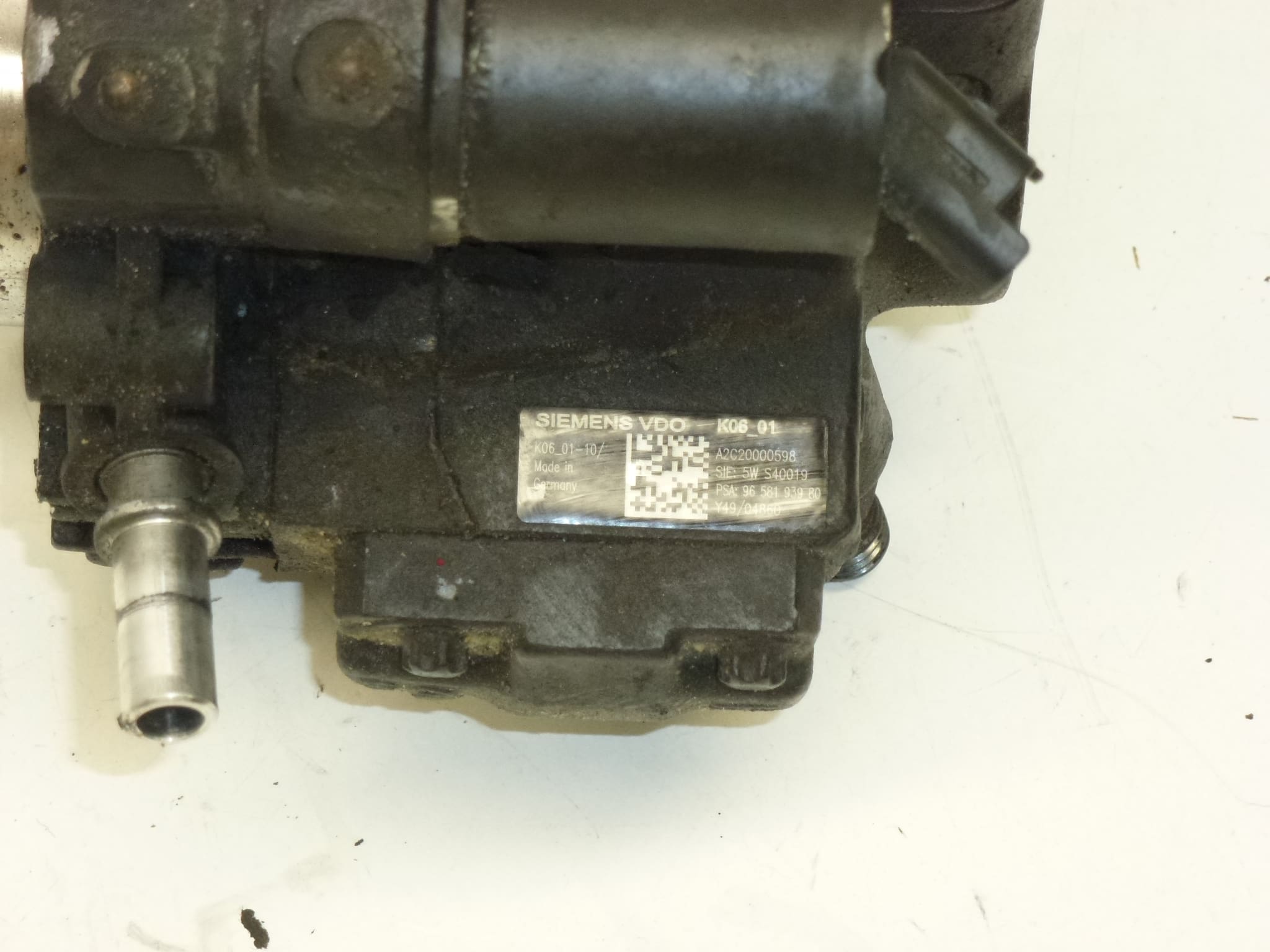
Injection Pump 2.0 HDi 100 kW RHR RHK with SIEMENS VDO system for Citroën, Peugeot, Ford, Volvo, Mazda vehicles. Tested, with warranty of functionality. With Fuel Pressure Regulator.
Product Overview
This high-pressure injection pump is designed for 2.0 HDi 100 kW engines (engine codes RHR / RHK) using the Siemens VDO pump system. It supplies and regulates the high fuel pressure required by the common-rail injection system and includes an integrated fuel pressure regulator. Ideal for professional workshops and competent DIY mechanics who need a reliable replacement unit that matches common OEM part numbers.
Key Benefits
- Direct fit for many PSA 2.0 HDi applications that use Siemens VDO pumps.
- Includes fuel pressure regulator to ensure stable rail pressure and consistent injection timing.
- Suits a range of Citroën and Peugeot models and some Ford, Volvo and Mazda vehicles that share the 2.0 HDi RHR/RHK engine.
- Commonly searched by part numbers for fast identification.
Technical Information
- Manufacturer: Siemens VDO
- Model: Injection Pump 2.0 HDi 100 kW (RHR / RHK)
- Product Codes: 5WS40019, 1920QH, 1920N8
- Additional Numbers: 9658193980, 9688153080, 5WS40809
Compatible Vehicles (Examples)
Commonly used in Citroën and Peugeot models with the 2.0 HDi RHR/RHK engine, for example: Citroën C4, Citroën C4 Picasso, Citroën C5, Citroën C8; Peugeot 307, Peugeot 407, Peugeot 607, Peugeot 807. Also found in some Ford, Volvo and Mazda applications that share the same engine/pump specification.
How Replacement Is Performed
Replacement of a high-pressure injection pump should be performed by an experienced mechanic or a competent DIYer with the correct tools and safety precautions. Typical steps:
- Depressurize the fuel system and relieve residual pressure.
- Disconnect the battery before starting work.
- Remove engine covers and components limiting access (air intake, brackets).
- Carefully disconnect electrical connectors and high-pressure fuel lines. Cap lines to avoid contamination.
- Unbolt and remove the old pump, noting timing marks and alignment where applicable.
- Install the replacement pump, respecting torque values and alignment marks. Replace sealing rings and gaskets.
- Reconnect fuel lines and electrical connections, refill fuel and prime the system to remove air.
- Start engine and check for leaks, proper idling and fuel pressure. Perform final checks and road test.
Installation Recommendations
- Always disconnect the battery before starting to avoid electrical damage.
- Use new sealing washers and gaskets on high-pressure connections to prevent leaks.
- Prevent dirt and moisture from entering fuel lines or pump ports—contamination is a common cause of premature failure.
- Prime and bleed the fuel system thoroughly after installation; follow manufacturer procedure for priming to avoid air locks.
- If the vehicle exhibits fault codes after swap, clear codes and re-check. In some systems, additional adaptation or calibration may be required—follow OEM procedures.
Why This Part Commonly Fails
High-pressure injection pumps can fail for several reasons. The most frequent causes are contaminated fuel (particles or water), clogged or overdue fuel filters, wear of internal moving parts after high mileage, and fuel lubrication problems. Symptoms of a failing pump include difficult starting, loss of power, rough idle, unusual fuel consumption, and fuel leaks. Regular maintenance of the fuel filter and using clean, quality fuel significantly extend pump life. Typical service life varies with driving conditions and maintenance, often exceeding 150,000 km when well maintained.
Notes For Mechanics And DIY Installers
Customers often search using the OEM numbers listed above—include those in your order or search to confirm fitment. Use appropriate safety procedures when working with high-pressure fuel systems, and always replace associated seals and filters during a pump replacement to ensure long-term reliability.